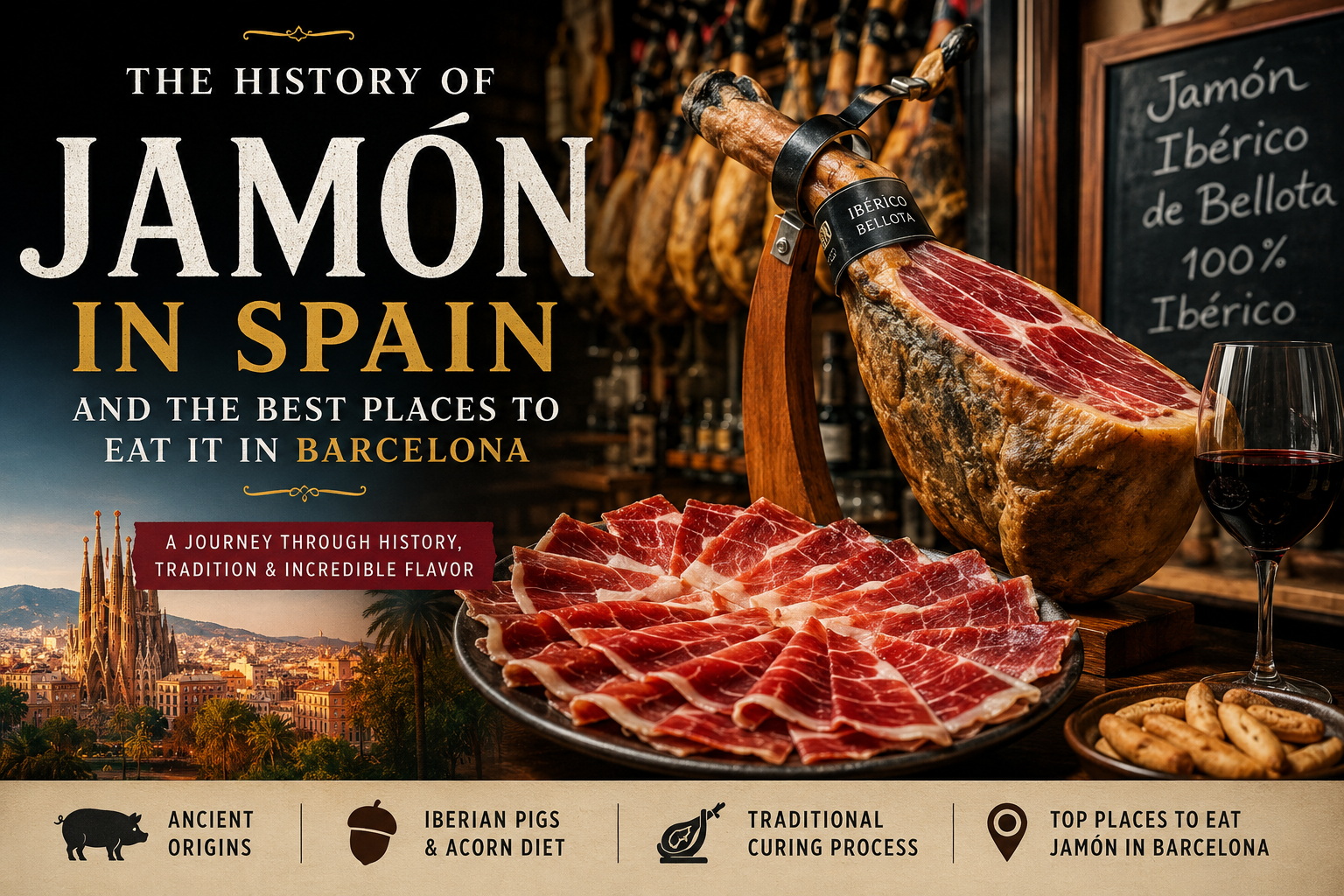
The Rich History of Jamón in Spain + Best Places to Eat in Barcelona (2026 Guide)
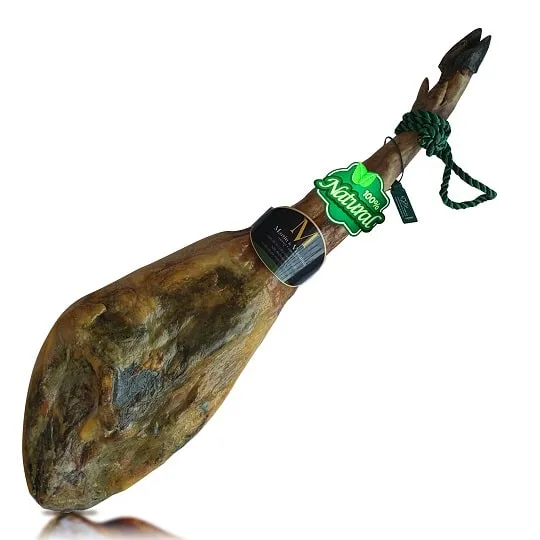
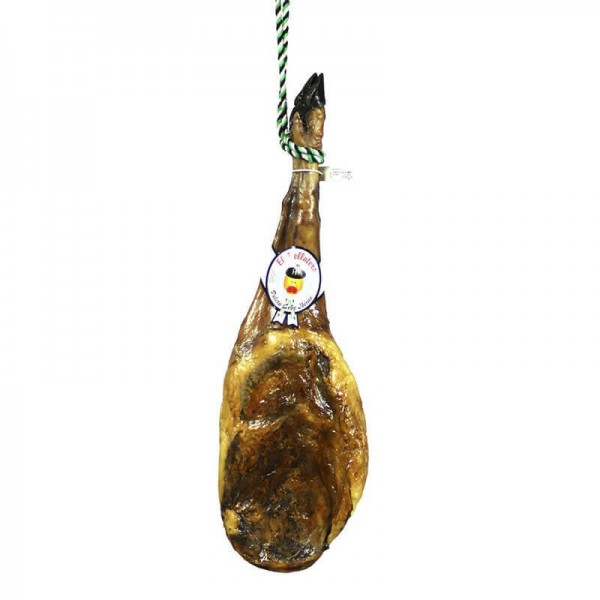
To step into a traditional Spanish charcutería (cured meat shop) is to experience a sensory overload. Rows of dark, slender cured ham legs hang from the ceiling, their rich, savory aroma filling the air. This isn’t just fast food or a basic sandwich filler; Jamón is a cornerstone of Spanish identity.
Whether you are planning a trip to Catalonia or just want to understand what makes this delicacy so legendary, here is everything you need to know about the deep history of Spanish ham and exactly where to find the absolute best slices in Barcelona.
Part 1: The Fascinating History of Jamón in Spain
The art of salting and curing ham in the Iberian Peninsula dates back thousands of years, long before Spain existed as a unified nation.
Where Did Jamón Originate?
The roots of jamón likely stretch back to pre-Roman civilizations on the Iberian Peninsula, where preserving meat with salt was essential for survival.
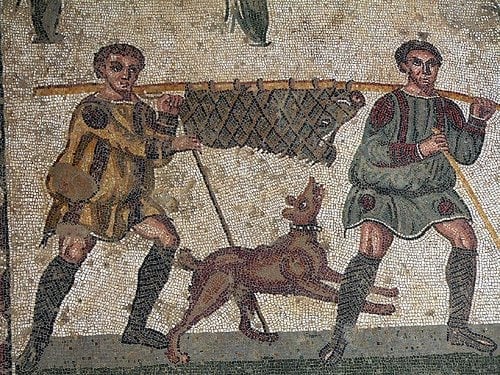
However, the Romans were among the first to document cured ham production systematically. During Roman occupation (roughly 200 BCE–400 CE), pork preservation became widespread because armies and communities needed foods that lasted months without spoiling.
Roman writings describe:
- Salting pork legs heavily
- Hanging meat in cool environments
- Air-drying for long periods
- Transporting preserved ham across territories
Spanish hams were exported throughout parts of the Roman Empire and gained a reputation for quality.
Archaeological discoveries near ancient Tarraco (modern Catalonia) support evidence of early cured ham production in the region.
From Roman Currency to Royal Delicacy
While the ancient Celts initially considered pork a sacred staple of their diet, it was the Romans who elevated the meat to an ultimate luxury. When Rome ruled over Hispania (the Iberian Peninsula), Spanish ham was treated as a premier culinary export. In fact, under the reigns of Emperors Augustus and Agrippa, the trade was so massive and economically vital that coins were actually minted in the shape of a ham leg.
Why Pork Became So Important in Spain
Pigs adapted well to the Iberian environment. Unlike cattle, they required less land and could forage naturally.
Over centuries, pork became central to Spanish diets because pigs provided:
- Meat
- Fat (for cooking)
- Sausages
- Preserved foods
- Bones for broths
Spanish families traditionally slaughtered pigs during la matanza, an annual community event where meat was processed and preserved for winter.
What Is La Matanza?
La matanza was historically one of rural Spain’s most important traditions.
Families gathered to:
- Slaughter pigs during colder months
- Prepare sausages and cured meats
- Salt ham legs
- Store food for the year ahead
For many villages, this was both survival and celebration.
In some rural areas, matanza traditions continue.
A Symbol of Identity
During the Moorish rule of Spain, pork consumption naturally declined. However, during the Reconquista (Reconquest) and the subsequent Spanish Inquisition, eating pork took on a stark, socio-political meaning. To publicly prove one’s Christian faith and avoid persecution by authorities, families would prominently hang hams in their windows or open entryways. It was a visible sign to the neighborhood that the home conformed to local traditions.
Throughout the centuries, Catholic monasteries preserved these artisanal curing techniques, passing them down through generations until the industrial explosion of the 19th and 20th centuries turned Jamón into a global gourmet icon.
Understanding the Grades: Serrano vs. Ibérico
Before you order, you need to know what you are looking at. Not all Spanish ham is created equal.
- Jamón Serrano: Made from standard white landrace pigs. It is cured for 12–18 months and offers a mild, salty, and dependable flavor. It’s your everyday ham.
- Jamón Ibérico: The undisputed crown jewel. Made from the native Black Iberian pig (Pata Negra). These pigs possess a unique genetic trait that allows fat to infiltrate deeply into the muscle tissue, resulting in a melt-in-your-mouth texture.
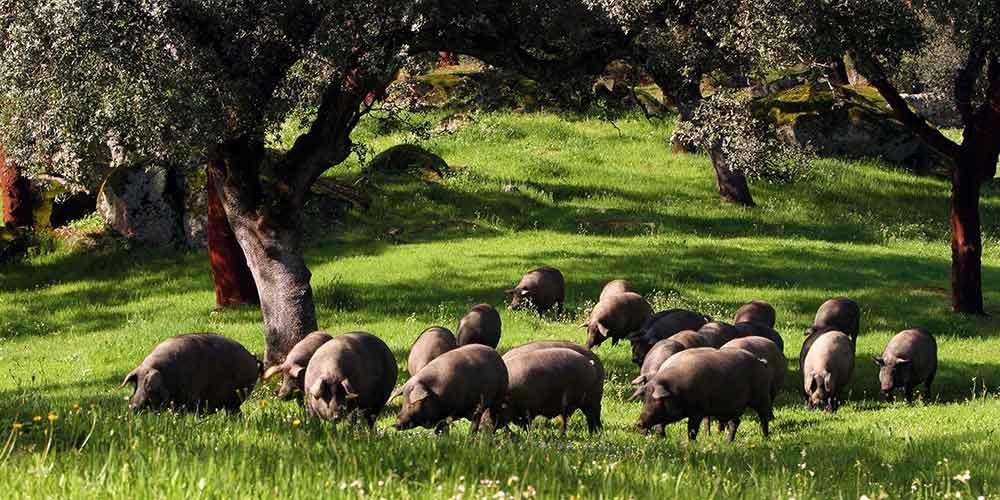
- Jamón Ibérico de Bellota: The ultimate tier. These Iberian pigs roam freely in pristine oak forests (dehesas) during the montanera (the final fattening phase from October to February). They eat a strict diet of wild herbs and acorns (bellotas). The acorns fill the fat with oleic acid—the same healthy fat found in olive oil—giving the ham a distinct, complex, nutty flavor profile.
Understanding Iberian Ham Categories
This confuses many visitors, because labels matter enormously.
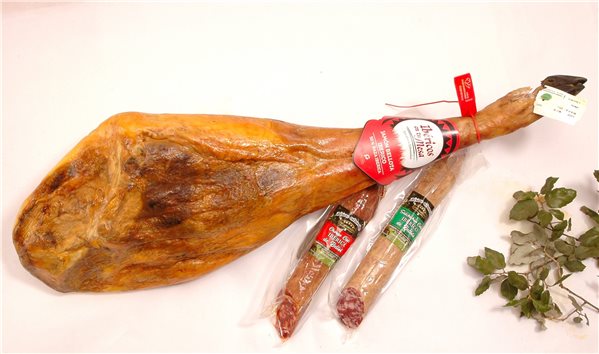
Black Label → 100% Ibérico de Bellota
Highest category.
The pigs:
- Are pure Iberian breed
- Roam freely
- Eat large quantities of acorns (bellotas) during the final feeding season
Often considered the pinnacle of jamón.
Red Label → Ibérico de Bellota (Mixed Breed)
Still acorn-fed but not 100% Iberian genetics.
Excellent quality.
Green Label → Cebo de Campo
Outdoor raised with mixed feeding.
White Label → Cebo Ibérico
More commercial production.
Lower cost.
Why Acorns Matter So Much
Acorns transform flavour.
During montanera season, Iberian pigs roam dehesas—oak landscapes mainly in southwestern Spain.
Acorn diets contribute:
- Nutty flavour
- Softer fat
- Aroma complexity
- Distinct sweetness
The fat melts close to body temperature, explaining why premium jamón almost dissolves on the tongue.
How Jamón Is Made: Step by Step
Here is exactly how a raw piece of meat is transformed over the years into culinary gold.
The Four-Stage Curing Process
The transformation takes anywhere from 12 months for a standard Serrano ham up to an astonishing 36 to 48 months for a premium Jamón Ibérico de Bellota. The entire process is strictly seasonal and mirrors the traditional natural climate changes of the Spanish mountains.
[1. Salting & Washing] ──> [2. Post-Salting (Resting)] ──> [3. Sweat & Drying] ──> [4. Cellar Aging]
(approx. 1 day/kg) (30 to 90 days) (Spring & Summer) (Up to 4 years)
1. Salting & Washing (Salazón y Lavado)
Immediately after the harvest, the raw hams are buried completely in piles of coarse sea salt.
- The Rule of Thumb: The ham stays in the salt for roughly one day per kilogram of weight (e.g., an 8kg leg stays in salt for about 8 days).
- The Purpose: The salt acts as a natural preservative, dehydration agent, and flavor enhancer. It draws out excess moisture and prevents dangerous bacteria from forming.
- The Finish: Once the time is up, the legs are dug out and thoroughly washed in warm water to remove any surface salt.
2. Post-Salting and Resting (Asentamiento)
Next, the washed hams move into cold, humid rooms kept between 0C and 6C (32F to 43F), with a high relative humidity around 80–90%.
- This stage lasts between 30 to 90 days.
- During this time, the salt that was absorbed at the surface slowly and evenly migrates inward to the absolute center of the bone. This ensures the entire leg is uniformly preserved and prevents the inner meat from spoiling.
3. The Natural Sweating and Drying (Secado y Maduración)
As spring arrives, the hams are moved to secaderos naturales (natural drying rooms) where windows are manually opened and closed to control airflow, humidity, and temperature.
- Over the spring and summer, the temperature is allowed to gradually rise up to 30C (86F).
- The “Sweat” (El Sudado): This heat triggers a vital physical reaction. The unique oleic fats in the muscle tissue melt and spread evenly through the fibers. This process infuses the entire leg with its signature oily, glossy texture and deep, complex aromas.
4. Cellar Aging (Bodega)
In the final phase, usually starting around autumn, the hams descend into dark, silent underground cellars (bodegas).
Here, temperatures remain stable at a cool 15 C to 20C to 59F to 68F. The hams hang horizontally or vertically for 1 to 4 years.
The Magic of Cellar Microflora
While hanging in the dark cellar, a completely harmless layer of white and gray mold forms over the outer crust of the ham. Do not be alarmed—this mold is essential! It protects the delicate meat from rancid oxidation and triggers complex biochemical reactions (proteolysis) that break down proteins into savory amino acids. This is exactly what creates the explosive Umami flavor and the tiny, crunchy white tyrosine crystals often found in premium hams.
Protected Regions Famous for Jamón
Certain regions hold protected status.
Some renowned areas include:
- Jabugo — among Spain’s most famous Iberian ham origins
- Guijuelo — known for premium curing conditions
- Extremadura — extensive dehesa landscapes
- Teruel — famous for Serrano-style ham
These names on packaging often indicate origin and prestige.
Why Jamón Is Expensive
People often wonder why one plate costs €10 and another €40+.
Price depends on:
✔ Breed purity
✔ Feeding method
✔ Free-range lifestyle
✔ Curing duration
✔ Production scale
✔ Protected origin certification
A premium Bellota ham may require years before sale.
How Spaniards Actually Eat Jamón
Traditionally:
- With bread (pan con tomate in Catalonia)
- Alongside wine
- As tapas
- With Manchego cheese
- During holidays and celebrations
Many Spaniards prefer serving it near room temperature, because chilled fat loses aroma.
Looking to explore more of Spain’s culinary traditions? After tasting authentic jamón, the next essential experience is discovering Spain’s remarkable cheese culture. From Manchego and Idiazabal to Mahón and Cabrales, our guide covers the history of Spanish cheese, regional specialties, and the best cheeses to try during your travels.
Jamón Today: Heritage and Global Luxury
Jamón has evolved from a preservation necessity into one of Spain’s most recognizable gastronomic exports.
It appears in:
- Family kitchens
- Michelin-star restaurants
- Airports
- Luxury food shops
- Holiday celebrations
For many Spaniards, jamón is not simply food—it represents time, patience, craftsmanship, and regional identity.
That long curing process is part of the appeal: the final slice may embody several years of work before reaching the plate.
Jamón is one of Spain’s most iconic culinary treasures, with origins dating back more than 2,000 years to ancient preservation techniques used by early Iberian communities and later refined during the Roman Empire. What began as a practical method for preserving pork evolved into a symbol of Spanish culture, tradition, and gastronomy.
Over the centuries, jamón became deeply connected to rural life through the tradition of la matanza, the annual pig slaughter that helped families prepare food for the year ahead. Today, it represents craftsmanship, regional identity, and some of Spain’s finest culinary heritage.
The two main varieties are Jamón Serrano, made from white pig breeds and cured in mountain climates, and Jamón Ibérico, produced from Iberian pigs known for their rich marbling and exceptional flavor. The most prestigious category, Jamón Ibérico de Bellota, comes from free-range pigs that feed on acorns during the final stage of their lives, creating the distinctive nutty taste and melt-in-the-mouth texture for which Spanish ham is famous.
The production process remains largely traditional, involving salting, drying, and aging for anywhere from several months to several years. Regions such as Jabugo, Guijuelo, and Teruel are internationally recognized for producing some of Spain’s finest hams.
For visitors to Barcelona, jamón is an essential gastronomic experience. From dedicated ham specialists and tasting venues to traditional tapas bars and modern Spanish restaurants, the city offers numerous opportunities to enjoy authentic Jamón Ibérico and discover the rich history behind one of Spain’s most celebrated foods.

Best Places to Eat Jamón in Barcelona (2026 Guide)
Finding jamón in Barcelona is incredibly easy; finding excellent, professionally carved jamón takes a bit of local insider knowledge. Avoid the neon-lit tourist traps along the main strip of Las Ramblas and head straight to these proven spots.
#1. Casa Alfonso (Eixample / El Born)
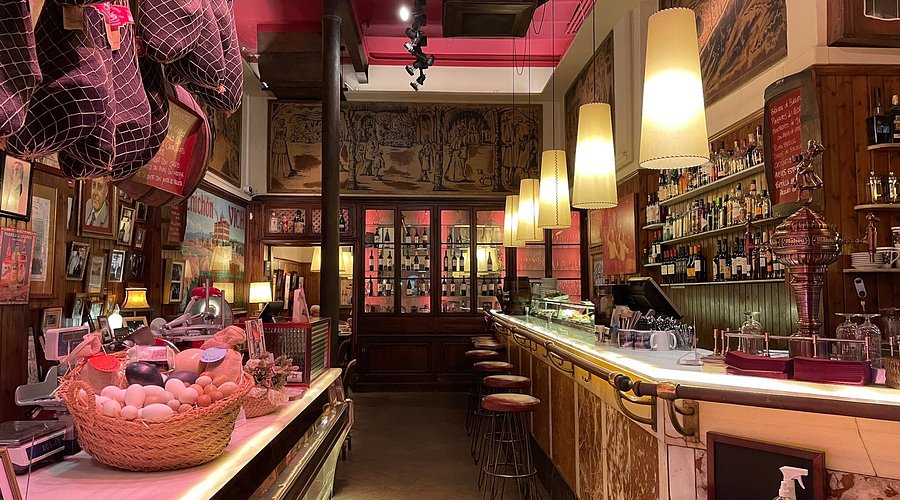
An absolute institution. Operating since the 1930s, Casa Alfonso balances old-world charm with impeccable sourcing of ingredients. The moment you walk past the threshold, you will see a professional maestro cortador (master ham carver) slicing legs right before your eyes.
What to Order: A plate of Jamón Ibérico de Bellota paired with pan con tomate (crusty, crystallized bread rubbed with fresh tomato, salt, and extra virgin olive oil). Let the ham sit on your tongue for a few seconds first, so the acorn fat can melt naturally with your body heat.
#2. Reserva Ibérica (Rambla de Catalunya)
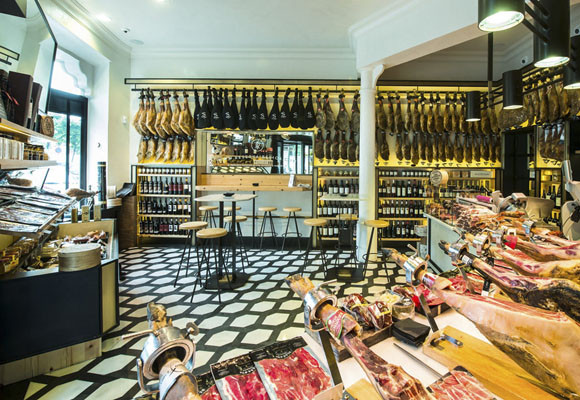
If you want an educational culinary experience, this elegant shop in the Eixample district is a must-visit. Reserva Ibérica functions as a high-end boutique and tasting room. They select their hams individually from the best microclimates in Jabugo and Guijuelo. You can book an intimate curation workshop here to sample different aging periods side-by-side.
#3. El Nacional (Passeig de Gràcia)
For an incredible atmosphere, head to El Nacional, a stunningly restored 19th-century industrial space hidden down a courtyard off Passeig de Gràcia. It features multiple culinary concepts under one roof. Find a seat at the specialized La Parada or the cured meats bar. It is slightly more upscale, making it the perfect spot to pair top-tier Pata Negra with a crisp glass of local Catalan Cava or a bold Priorat red wine.
#4. Recasens (Poblenou)
If you want to escape the central tourist hubs completely, head to the vibrant neighborhood of Poblenou. Recasens is a historic, family-run deli turned restaurant that feels like eating inside someone’s beautifully decorated home. It’s incredibly cozy and famous for its generous, overflowing platters of artisan Spanish cheeses, cured meats, and top-grade jamón.
#4 Bodega La Tinaja (El Born)
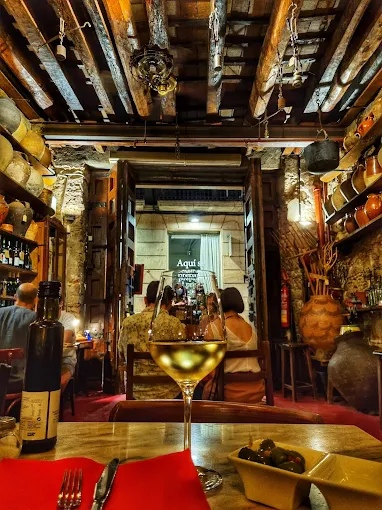
The name “La Tinaja” refers to the massive terracotta wine jars found inside. The building itself dates back centuries, and the interior is famous for its dim, candlelit lighting, exposed stone walls, and rustic wooden beams. It feels like a secret medieval cavern tucked away from the busy tourist streets.
The menu focuses on high-quality, cold tapas and traditional Iberian products. You won’t find a full kitchen here, cooking complex meals; instead, you go for:
- Artisanal Cheeses: Exceptional selections of Manchego and goat cheeses.
- Cured Meats: Top-tier Jamón Ibérico, chorizo, and salchichón.
- Spanish Classics: Pâtés, anchovies, and “pa amb tomàquet” (bread with tomato).
Best for Couples: Because of the candlelight and quiet acoustic, it is widely considered one of the most romantic spots in the city for a pre-dinner drink or a late-night snack.
Timing: It’s a small space and very popular with locals. It can get crowded in the late evening, so arriving shortly after they open is your best bet for snagging a table.
Friends don’t let friends eat frozen paella on Las Ramblas.
Let’s be honest: your stomach deserves better than a microwave-heated meal and a 10-euro “sangria” that’s actually just red juice and sadness.
At Eye on Food Tours, we believe in “Love at First Taste.” We’ll take you through the winding backstreets of Barcelona and Madrid to find the family-run taverns where the locals actually hide. You’ll get 10+ tastings, enough wine to make your history lessons interesting, and the secret satisfaction of knowing you’re eating better than every other tourist in the city.
Don’t just look at the food—eat it: Book your spot here!