Barcelona Food Myths Debunked — A Deeper Dive (2026)
Barcelona isn’t just misunderstood—it’s layered. What tourists see is often a curated version of the city, while the real food culture operates on a completely different rhythm, shaped by history, economics, and local habits.
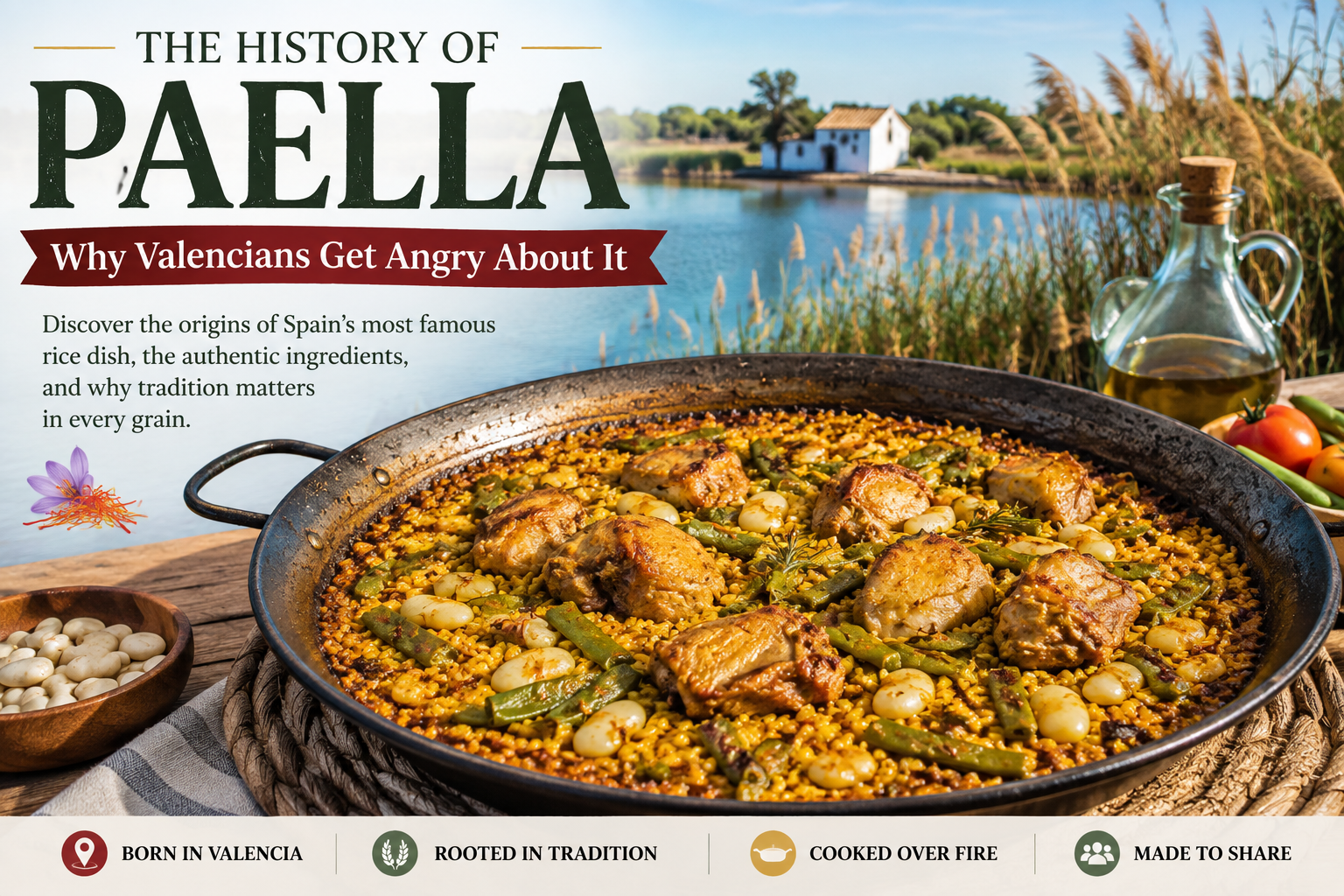
1. The “Paella Problem” Is About Timing, Not Just Location

It’s not only that paella comes from Valencia—it’s when you eat it.
In Spain, rice dishes are:
- Typically eaten at lunch, not dinner
- Made fresh and in batches (not on demand)
So when you see:
- “Paella anytime” signs
- Late-night paella menus
…it’s a red flag.
Deeper insight:
Restaurants catering to locals won’t push rice dishes at night because it disrupts kitchen flow and tradition. That’s why authentic spots often list rice dishes only at midday.
If you’d like a deeper understanding of paella, check out our Paella Guide for Travelers.
2. Tapas Culture in Barcelona Is a Reinvention
Barcelona didn’t just adopt tapas—it repackaged them.
Historically:
- Tapas = quick bites in southern Spain
- Barcelona = sit-down meals, shared plates, long lunches
What happened?
Tourism + globalization turned tapas into:
- A flexible, Instagram-friendly dining style
- A commercial format for high turnover
Modern reality (2026):
You’ll find three tiers of “tapas” in Barcelona:
- Tourist tapas – generic, overpriced, safe
- Modern tapas bars – creative, fusion, trendy
- Local bars – simple dishes, no branding as “tapas.”
The best food is often in category #3.
3. The Rise of “Fake Authenticity.”

Here’s where things get tricky.
Some restaurants look authentic:
- Rustic decor
- Hanging jamón
- Handwritten menus
…but are designed specifically for tourists.
Why is this happening more in 2026?
- Social media rewards aesthetics over substance
- Visitors search for “authentic vibes” rather than quality
- Restaurants optimize for first impressions, not repeat customers
Local heuristic:
If a place feels like a movie set in Spain, it probably is.
First time in Barcelona? Don’t learn the hard way! Check out our guide on the Top 10 Mistakes Travelers Make in Barcelona 🙈
4. Catalan Cuisine Is Seasonal—Tourist Menus Are Not

Real Catalan cooking is deeply tied to seasons:
- Winter → hearty stews, beans, meats
- Spring → fresh vegetables, lighter dishes
- Summer → seafood, cold preparations
- Autumn → mushrooms, game
Tourist-heavy restaurants often:
- Serve the same menu year-round
- Ignore seasonality entirely
What locals do instead:
They follow “menú del día” culture—daily menus based on what’s fresh and available.
5. The Economic Divide: Why Tourist Food Feels Worse
This isn’t just taste—it’s economics.
Restaurants in high-traffic areas:
- Pay higher rent
- Rely on one-time customers
- Prioritize speed over quality
Neighborhood spots:
- Have repeat local customers
- Can’t afford bad food
- Focus on consistency
Result:
The further you move from landmarks, the better the food-to-price ratio gets.
6. Vermouth Culture Is a Social Ritual (Not Just a Drink)

Ordering vermouth isn’t just about what’s in the glass—it’s about when and how.
The tradition of “fer el vermut” (having vermouth) means:
- Meeting before lunch
- Light snacks (anchovies, olives, chips)
- Slow, social conversation
Why tourists miss this:
They treat drinks as add-ons to meals, not as standalone rituals.
7. Service Culture: Why It Feels “Different.”
A common misconception is that service is slow or inattentive.
In reality:
- Meals are meant to be long and relaxed
- Staff won’t rush you or constantly check in
- You’re expected to signal when you need something
Translation:
What feels like “bad service” is actually intentional space.
8. The Bread Rule (Small but Revealing Detail)
In many places:
- Bread is automatically brought to the table
- It’s not free (you’ll see it on the bill)
Tourists often assume it’s complimentary, which creates confusion.
Local move:
If you don’t want it, just say so upfront.
9. Why Google Ratings Can Mislead You
In Barcelona, ratings are skewed by:
- Tourists reviewing based on expectations, not authenticity
- High-traffic spots are collecting massive numbers of reviews
- Trendy places are getting hype-driven scores
A 4.7 near a landmark ≠ is better than a 4.3 in a neighborhood.
Better strategy:
Look for:
- Reviews in Spanish or Catalan
- Mentions of specific dishes
- Repeat customer comments
10. What “Eating Well” Actually Looks Like in Barcelona (2026)

A realistic, local-style food day:
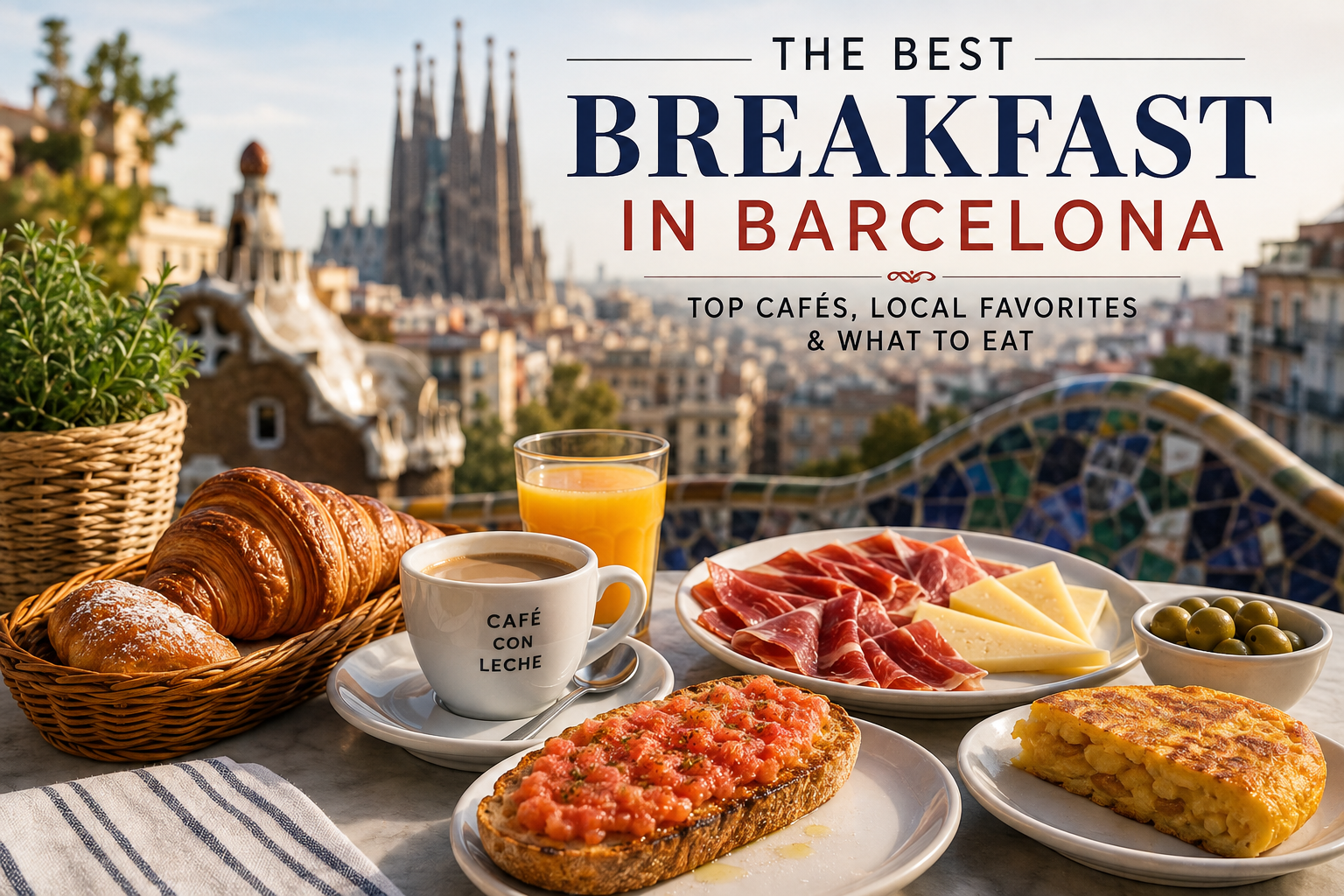
Late morning:
Coffee + pastry at a neighborhood café
Midday (main meal):
Menú del día (starter + main + drink + dessert)
Afternoon:
Light snack or nothing
Evening:
Vermouth or wine + small plates or a light dinner
Great food is at the heart of every Barcelona experience. Let us guide you to the best tables in the city with our Top 20 Restaurants in Barcelona Guide for 2026 🇪🇸🍴
The Big Takeaway
Barcelona’s biggest food myth isn’t about a single dish—it’s this:
The idea that what’s most visible is what’s most authentic.
In reality, the best food in Barcelona is:
- Less obvious
- Less advertised
- More routine than “special.”
Once you shift from searching for famous food to observing how locals eat, everything changes.
If you want, I can go even more practical—like a “how to spot a great restaurant in 30 seconds” checklist or a hyper-local food itinerary around where you are right now.
Got it—you want something tighter, punchy, and with a clear angle toward food tours and a strong closing takeaway. Here’s a clean, blog-ready summary section you can plug in at the end:
Barcelona Food Myths: The Real Takeaway (2026)
Barcelona’s food scene isn’t about chasing famous dishes—it’s about understanding context.
Most common myths—paella everywhere, sangria as the go-to drink, tapas as the default—come from a tourism-filtered version of the city. The reality is more local, more seasonal, and more subtle.
What actually matters:
- Eat rice dishes at lunch, not dinner
- Don’t assume tapas = authentic Catalan food
- Skip sangria and try vermouth or cava
- Move away from tourist-heavy streets
- Trust simple menus over flashy ones

Where Food Tours Fit In (And Where They Don’t)
Food tours can be a great shortcut—but only if they’re done right.
Good food tours in Barcelona:
- Focus on neighborhoods, not just landmarks
- Introduce Catalan-specific dishes
- Explain culture (timing, ordering, customs)
- Take you to places you wouldn’t find alone
What to avoid:
- Tours centered around generic tapas + sangria
- Large groups hopping between obvious spots
- “Instagram-first” experiences
A quality tour should teach you how to eat in Barcelona, not just feed you.
Why a Food Tour Can Change Everything
If you’ve only got a few days in Barcelona, figuring this out on your own can be hit or miss.
That’s where the right food tour makes a difference.
A well-designed tour doesn’t just take you to places—it helps you:
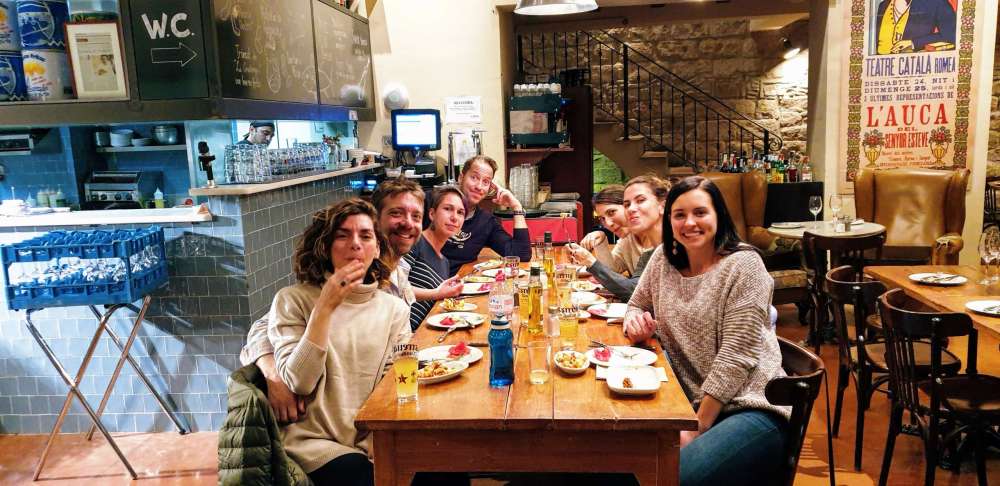
- Understand when and how to eat like a local
- Discover Catalan dishes you’d probably overlook
- Avoid overpriced, low-quality tourist spots
- Build confidence in ordering and exploring on your own
Think of it less as a tour—and more as a shortcut into the city’s real food culture.

Don’t Just Visit Barcelona. Taste It. 🇪🇸
The best way to discover a city? Through its food. Skip the guesswork and let our top-rated food tours do the work — all you have to do is show up hungry. 👉 Find Your Perfect Tour — Eye on Food Tours
Final Word
Barcelona rewards people who go beyond the obvious. You can follow the crowds and eat what everyone else eats…Or you can understand the culture, avoid the myths, and experience the city the way locals actually do.
The difference?
It’s not subtle—it’s everything.