Carnival in Barcelona and Sitges:
A Burst of Color, Chaos, and Catalan Tradition 2026
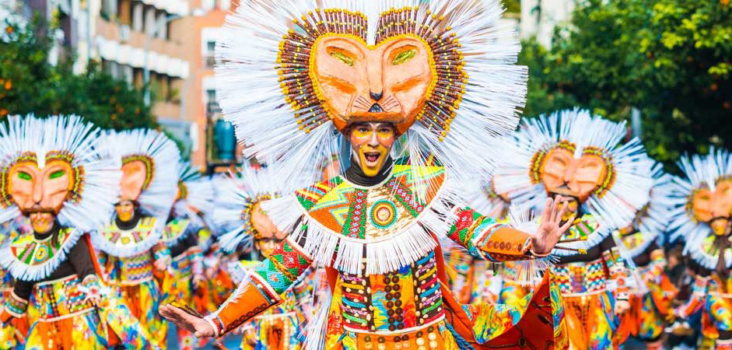
When winter starts to feel long and grey, Catalonia answers with one of its most joyful explosions of the year: Carnival (Carnestoltes). Celebrated in the weeks leading up to Lent, Carnival is all about excess, creativity, and playful rebellion — and nowhere is this spirit more alive than in Barcelona and Sitges.
Though only 40 minutes apart by train, these two cities celebrate Carnival in very different ways. Barcelona keeps it quirky and community-based, while Sitges turns it into a world-famous party that rivals Rio and Venice.
Let’s dive into the traditions, characters, and unforgettable festivals that define Carnival in both places.
The Origins of Carnival in Catalonia
Carnival has deep roots in medieval Europe, linked to the Christian calendar. It was the last chance to feast, drink, and indulge before the restrictions of Lent. Over time, this religious backdrop blended with pagan rituals, satire, and street theatre.
In Catalonia, Carnival became a space for mocking authority, breaking social rules, and celebrating the absurd — a tradition that still lives on today through costumes, parades, and symbolic characters.
Carnival in Barcelona: Satire, Community, and Tradition
Barcelona’s Carnival is less about massive parties and more about local culture, humor, and neighborhood celebrations.
The Arrival of the Carnival King

Everything begins with the arrival of King Carnestoltes, the symbolic ruler of Carnival. He’s a grotesque, exaggerated character who represents chaos, pleasure, and mischief.
His opening speech is usually:
- Full of political satire
- Slightly rude
- Completely unapologetic
He declares a week of madness where rules are suspended, and fun is mandatory.

The Carnival Parades
Across different districts like Gràcia, Sants, and El Raval, you’ll find colorful parades with:
- Handmade costumes
- Dance groups
- Giant puppets (gegants)
- Brass bands and drummers
These parades feel intimate and local — more like a neighborhood block party than a tourist spectacle.
Dijous Gras (Fat Thursday)
One of the most beloved food traditions is Dijous Gras, when people eat:

- Tortilla (especially with sausage)
- Butifarra (Catalan sausage)
- Truita de botifarra (sausage omelette)
Schools, families, and offices often celebrate with picnics and shared meals.

The Burial of the Sardine

Carnival ends with a beautifully strange ritual: the Burial of the Sardine (Enterrament de la Sardina). People dress in black, stage a fake funeral, cry dramatically, and symbolically bury a sardine — marking the end of excess and the start of Lent. It’s funny, theatrical, and very Catalan.

Carnival in Sitges: Glitter, Freedom, and Global Fame

If Barcelona is playful, Sitges is pure spectacle. Sitges Carnival is one of the most famous in Europe, known for its:
- Massive parades
- Drag culture
- LGBTQ+ pride
- Non-stop parties – It attracts thousands of visitors from all over the world.
The Madness Begins: Arrival of King Carnestoltes
Just like Barcelona, Sitges starts with King Carnestoltes — but here he’s even more outrageous. His speeches are explicit, rebellious, and hilariously inappropriate.
From this moment on, the town transforms into a 24/7 carnival playground.
The Big Parades: Rua de la Disbauxa & Rua de l’Extermini

(photo credit visitsitges.com)
These are the main events:
Rua de la Disbauxa (Sunday Night)
The “Parade of Debauchery” is pure chaos:
- Huge floats with LED lights
- Samba dancers
- Drag queens
- DJs blasting electronic music
It feels like a moving nightclub through the streets.
Rua de l’Extermini (Tuesday Night)
The final parade is just as intense, marking one last night of excess before everything ends.
People spend months preparing costumes, often more extravagant than anything you’d see at a music festival.

A Symbol of Freedom and Identity
Sitges Carnival is also deeply connected to:
- LGBTQ+ visibility
- Artistic expression
- Sexual freedom
- Camp culture
For many, it’s not just a party — it’s a statement of identity and belonging.
Barcelona vs Sitges: Two Carnivals, Two Souls
Barcelona | Sitges |
Local and cultural | International and wild |
Satirical and theatrical | Party-focused and glamorous |
Neighborhood parades | Massive professional floats |
Family-friendly | Adult, nightlife-heavy |
Symbolic rituals | Clubbing and spectacle |
Both reflect different sides of Catalan culture:
- Barcelona preserves tradition and community.
- Sitges celebrates freedom, diversity, and global party culture.

Why Carnival Matters in Catalonia
Beyond the costumes and parties, Carnival represents something deeper:
- A chance to mock power
- To be someone else for a week
- To laugh at society and ourselves
- To reconnect with public space and community
It’s one of the few times when chaos is not only accepted — it’s encouraged.
Final Thoughts
Carnival in Barcelona and Sitges shows how the same tradition can evolve into two completely different experiences. One is rooted in satire and symbolism, the other in glitter and global celebration. But both share the same core spirit: joy, rebellion, creativity, and collective madness.
Whether you prefer dancing behind a neon float in Sitges or watching a theatrical funeral for a sardine in Barcelona, Carnival in Catalonia is a reminder that sometimes the best way to survive the year is to dress up, laugh loudly, and forget the rules for a while. 🎭🎉