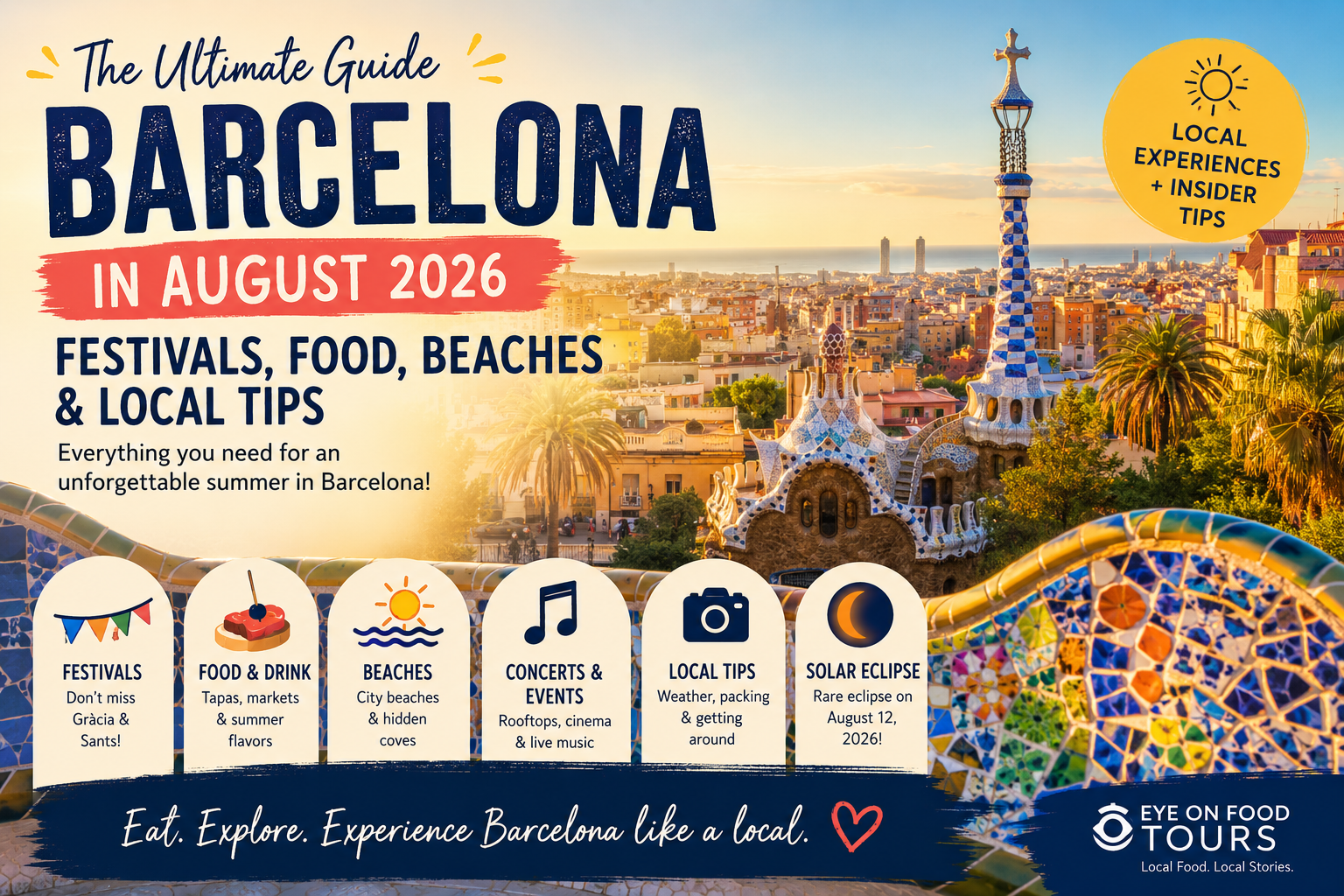
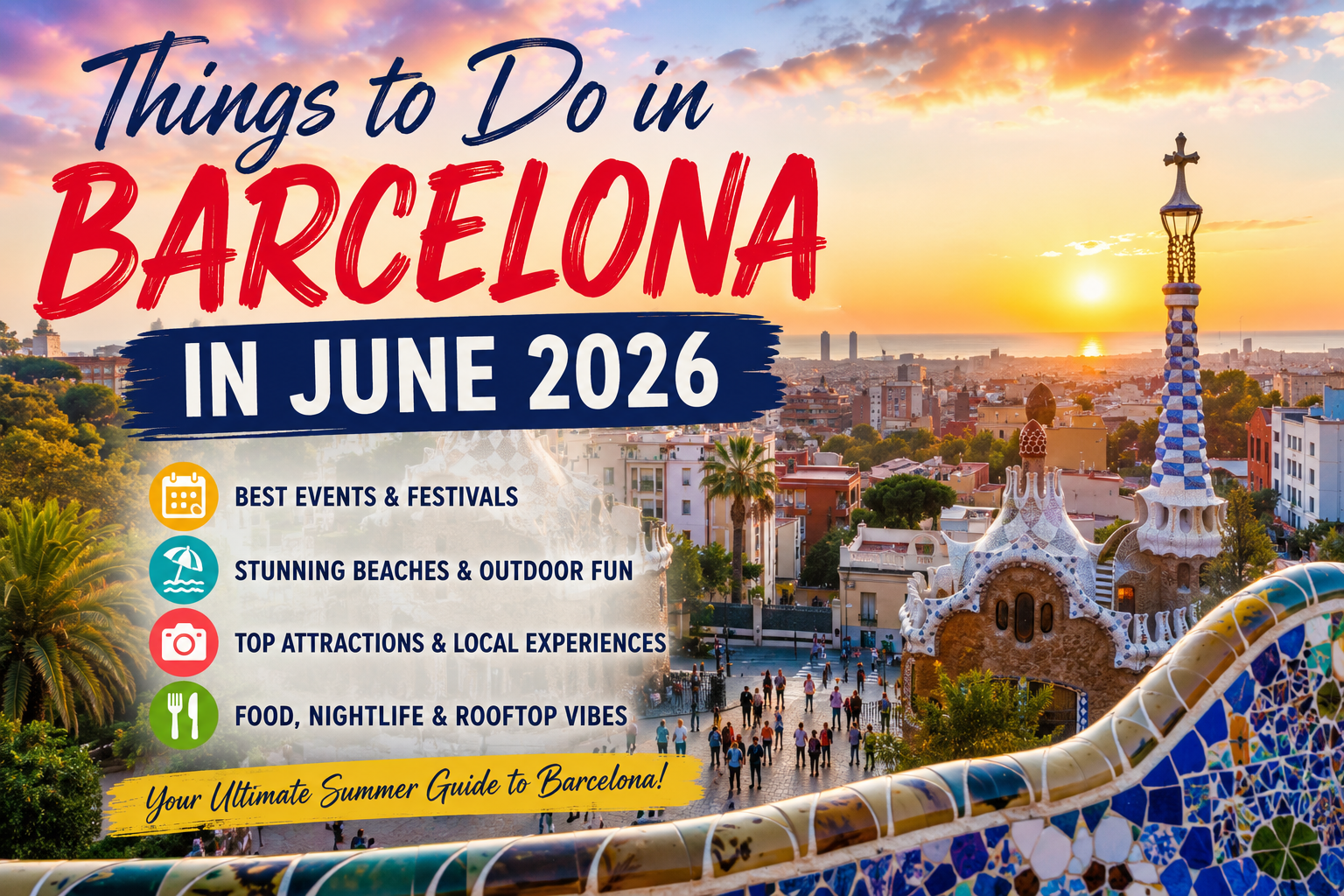
Barcelona in August is a city alive with color, sound, and celebration. While the Mediterranean heat sizzles and the beaches beckon, the heart of the city pulses with energy thanks to a dazzling array of festivals that span culture, music, art, and tradition. From intimate neighborhood celebrations to grand open-air concerts, August is arguably the most vibrant month to experience authentic Catalan life. In this guide, we delve into the most iconic festivals in Barcelona during August, providing insights, tips, and local secrets to help you fully immerse yourself in the festivities.
🌿 1. Festa Major de Gràcia
Duration: ~1 week (around August 15–21) Location: Gràcia neighborhood
What Makes It Special:
This is Barcelona’s most famous neighborhood festival. It began in the 1800s as a religious feast for the Virgin of Assumption but evolved into a community-driven street art extravaganza. Residents compete to decorate their streets with immersive, hand-made scenes—each themed, and each a visual masterpiece.
What You’ll See:
Entire streets transformed into jungles, galaxies, movie sets, fairy tale lands, etc.
Art made from recycled materials: bottle caps, cardboard, plastic, and more.
Giant papier-mâché figures and interactive exhibits.
Daytime: relaxed family-friendly atmosphere with workshops, crafts, and concerts.
Nighttime: full-blown parties with live bands, DJs, dancing, food, and drinks.
Cultural Highlights:
Castellers (human towers): teams form towers several stories high.
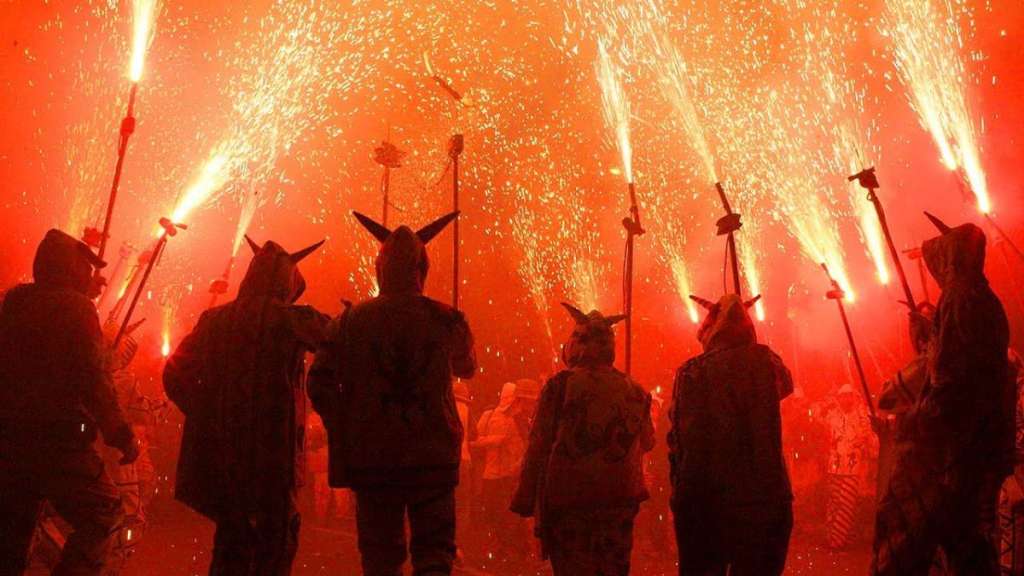
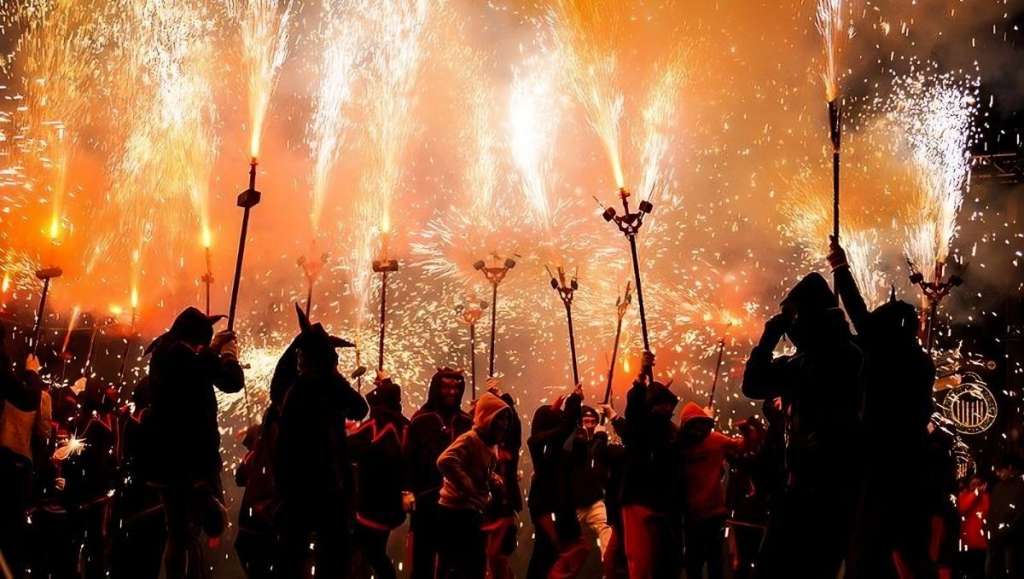
Correfocs (fire runs): performers dressed as devils set off fireworks in the streets.
Traditional Catalan folk dancing, storytelling, and concerts in the Catalan language.
Pro Tips:
Go early in the morning or before sunset to admire the decorations without big crowds.
If you’re going at night, expect crowds and high energy—dress light and stay hydrated.
Bring a camera; this is one of the most Instagram-worthy events in Europe.
🏡 2. Festa Major de Sants
Duration: Late August (~August 20–28) Location: Sants neighborhood
What Makes It Special:
It’s like Gràcia’s little sibling—less touristy, more authentic. The street decorations are also impressive, but done with more grassroots charm. The community involvement is strong, and the vibe is warm and welcoming.
What You’ll See:
Streets with colorful themes (though slightly more low-key than Gràcia).
Food stalls run by neighborhood associations selling Catalan dishes and tapas.
Concerts in local plazas with Catalan pop, rock, and folk music.
Lots of traditional games for kids, artisan markets, and dance performances.
Cultural Highlights:
Correfocs and gegants (giant puppets) parading through the streets.
Sardana dances are performed by locals—visitors are welcome to join.
Nightly concerts that often go until 2–3 am in open-air settings.
Pro Tips:
Great for families or solo travelers looking for a more local experience.
Fewer overwhelming crowds than Gràcia, especially during the day.
Try local street food here—it’s homemade, cheap, and very Catalan.
🎵 3. Mas i Mas Festival
Duration: The Entire month of August Location: Multiple venues citywide (Jamboree, Palau de la Música, Moog, etc.)
What Makes It Special:
It’s not a street festival—it’s a citywide music celebration featuring hundreds of concerts across genres. From jazz to flamenco, funk to classical, this festival represents Barcelona’s musical soul.
Venues & Music Styles:
Jamboree Jazz Club: intimate jazz sessions, often underground acts.
Tarantos: traditional flamenco performances.
Moog: electronic music and late-night DJ sets.
Palau de la Música Catalana: classical concerts in a UNESCO World Heritage concert hall.
Pro Tips:
Check their official site for the full lineup (changes yearly).
Some concerts are very affordable or free—others can sell out, so book ahead.
Ideal for travelers seeking indoor cultural experiences during hot afternoons.
🎬 4. Sala Montjuïc – Open-Air Cinema
Duration: Early July to early August Location: Montjuïc Castle Grounds
What Makes It Special:
Imagine watching a movie under the stars on the lawns of a historic castle. This open-air cinema experience includes live music before each screening and a relaxed picnic vibe.
What You’ll See:
Award-winning classics, cult films, recent international hits.
Subtitled in Catalan or Spanish (audio in original language).
Live jazz, folk, or acoustic bands before the movie starts.
What to Bring:
Blanket or mat, snacks, drinks, a sweater (it gets cool at night).
Optional: rent a deck chair on-site.
Pro Tips:
Arrive early to get a good spot—especially for more popular films.
Pack a picnic and bring friends. It’s a romantic and social evening.
Best accessed by cable car or bus (limited parking near the castle).
🏰 5. Festa de Sant Roc
Duration: Around August 16 Location: Plaça Nova, Gothic Quarter
What Makes It Special:
📜 Origins and Significance
The Festa de Sant Roc, celebrated around August 16 (Saint Roch’s feast day), is considered the oldest continuous festival in Barcelona, with documented origins dating back to 1589.
It began as a vow by the residents of the Plaça Nova neighborhood (near the Gothic Quarter), who believed Saint Roch had miraculously protected them during a plague outbreak in 1583, sparing them from any deaths.
⏳ Evolution Over Time
Originally a solemn religious procession, the festival evolved into a vibrant community event featuring traditional Catalan elements and festive rituals.
The celebrations were only suspended during the Peninsular War (1808–1814) and the Spanish Civil War (1936–1939), but were revived quickly afterward—even under Franco’s regime—due to their strong religious foundation.
🎭 Unique Traditions and Rituals
These elements make the Festa de Sant Roc distinct from other neighborhood festivals in Barcelona:“Panellets de Sant Roc”: Special pastries (different from the ones eaten on All Saints’ Day) that are blessed and distributed during a solemn Mass. The custom comes from the legend of Saint Roch’s dog feeding him with small loaves of bread.
“Porró llarg”: A traditional Catalan glass wine pitcher with a very long spout (up to 75 cm), used as a fun drinking challenge. Introduced around 1829–1830 to encourage communal celebration.
“Cucanya”: A traditional children’s game involving balancing on a greased rotating pole. This game has been part of the festival since at least 1884.
“Festival of the Dog”: An event honoring Saint Roch’s dog, with canine parades and symbolic blessings. There’s a saying: “Sant Roc on the 16th, and Saint Dog on the 17th.”
“Captain Munyó’s Balloon”: A 19th-century tradition where children shout “Fora! Fora!” (“Out! Out!”) as a giant balloon with a controversial figure’s face (Captain Munyó) is released. It was revived in 1997 after a long pause.
“Correfoc” (Fire Run): A dramatic nighttime parade where “devils” dance through the streets with fireworks, culminating in a pyrotechnic display.
🕺 Festival Imagery and Community
The parade (seguici) features iconic characters like:
The Devil of Sant Roc
The Eagle and Lion of Barcelona
Giants of Plaça Nova (Roc and Laia, created in 1906)
The dwarf figure Cu-cut
Banners and musicians leading the way
The procession typically heads toward Santa Maria del Pi Basilica for a special Mass and blessings.
There’s also an annual gathering of giant figures (“trobada gegantera”) from other neighborhoods and towns, promoting cultural exchange.
What You’ll See:
Sardana dancing circles in front of the Barcelona Cathedral.
Blessing of animals (people bring pets for a symbolic blessing).
Traditional sweets and food stalls (like panellets, nougat, and almond treats).
Parades of gegants and cucanya games (like climbing a greasy pole).
Why It Matters:
It reflects the deep-rooted traditions of the Gothic Quarter.
Offers a contrast to the louder, more modern neighborhood festivals.
You’ll see older residents proudly leading events that have been passed down through generations.
Pro Tips:
It’s not flashy or crowded—perfect for quiet cultural immersion.
A great break from the tourist-packed Ramblas area.
Attend a morning or early evening session to avoid the heat.
🔥 6. Correfocs – Fire Runs
Dates: Scheduled during multiple August festivals (Gràcia, Sants, Sant Roc) Location: Wherever a major festival is happening
What Makes It Special:
Correfocs are part theater, part ritual, part rave—and completely wild. “Devils” in costume run through the streets, twirling sparklers and firework-shooting pitchforks. Meanwhile, drums echo and crowds cheer or run through the sparks.
What You’ll Experience:
Sparks flying everywhere (literally).
Devils dancing with fire, jumping in and out of crowds.
Loud, rhythmic drumming that makes your heart race.
A chaotic, joyful celebration that blends fear and fun.
How to Stay Safe:
Wear long sleeves, closed shoes, and a hat.
Don’t stand too close unless you’re ready for sparks.
Keep your phone or camera protected.
Pro Tips:
Check festival schedules—most major ones have a correfoc night.
Go with locals if possible—they know the rhythm of the chaos.
It’s thrilling and unlike anything you’ve seen before.
✅ Summary: Why August in Barcelona Is Unmissable
Festival
Best For
Atmosphere
Gràcia
Street art & parties
Creative, lively
Sants
Local vibes, families
Warm, authentic
Mas i Mas
Music lovers
Cultural, diverse
Sala Montjuïc
Romantic evenings
Chill, artistic
Sant Roc
History & tradition
Intimate, historic
Correfocs
Adrenaline seekers
Wild, unforgettable
📌 Final Travel Tips
Plan accommodation early, especially during Gràcia’s festa.
Use TMB app for navigating buses and metro.
Stay hydrated—August is hot, especially during daytime events.
Respect local traditions—many of these festivals are by and for locals, so be mindful and appreciative.
Adrian
Charles Liondae is a passionate advocate for Spanish culture, history, and, above all, its vibrant culinary traditions.
As a Freelance Food writer for Eye On Food Tours, he has dedicated himself to sharing the rich tapestry of flavors and stories that make Spanish cuisine truly exceptional.
Day Trip from Barcelona to Tarragona: Discover Ancient Rome on Spain’s Mediterranean Coast (2026) Barcelona may steal most of the spotlight in Catalonia, but just
The Best Breakfast in Barcelona: Top Cafés, Bakeries & Local Breakfast Guide (2026) The Best Breakfast in Barcelona: Where Locals and Travelers Start Their Day
The History of Paella: Why Valencians Get Angry About It (And What Every Traveler Should Know) Spain has given the world countless culinary treasures—Jamón Ibérico,
Montserrat Day Trip from Barcelona & Penedès Wine Tour (2026 Complete Guide) When people think of Barcelona, they often picture the bustling streets of Las
This website uses cookies to ensure you get the best experience on our website.