Cheese of Spain: 12 Famous Spanish Cheeses You Need to Try (Guide 2026)
Cheese of Spain: The Complete Guide to Famous Spanish Cheeses
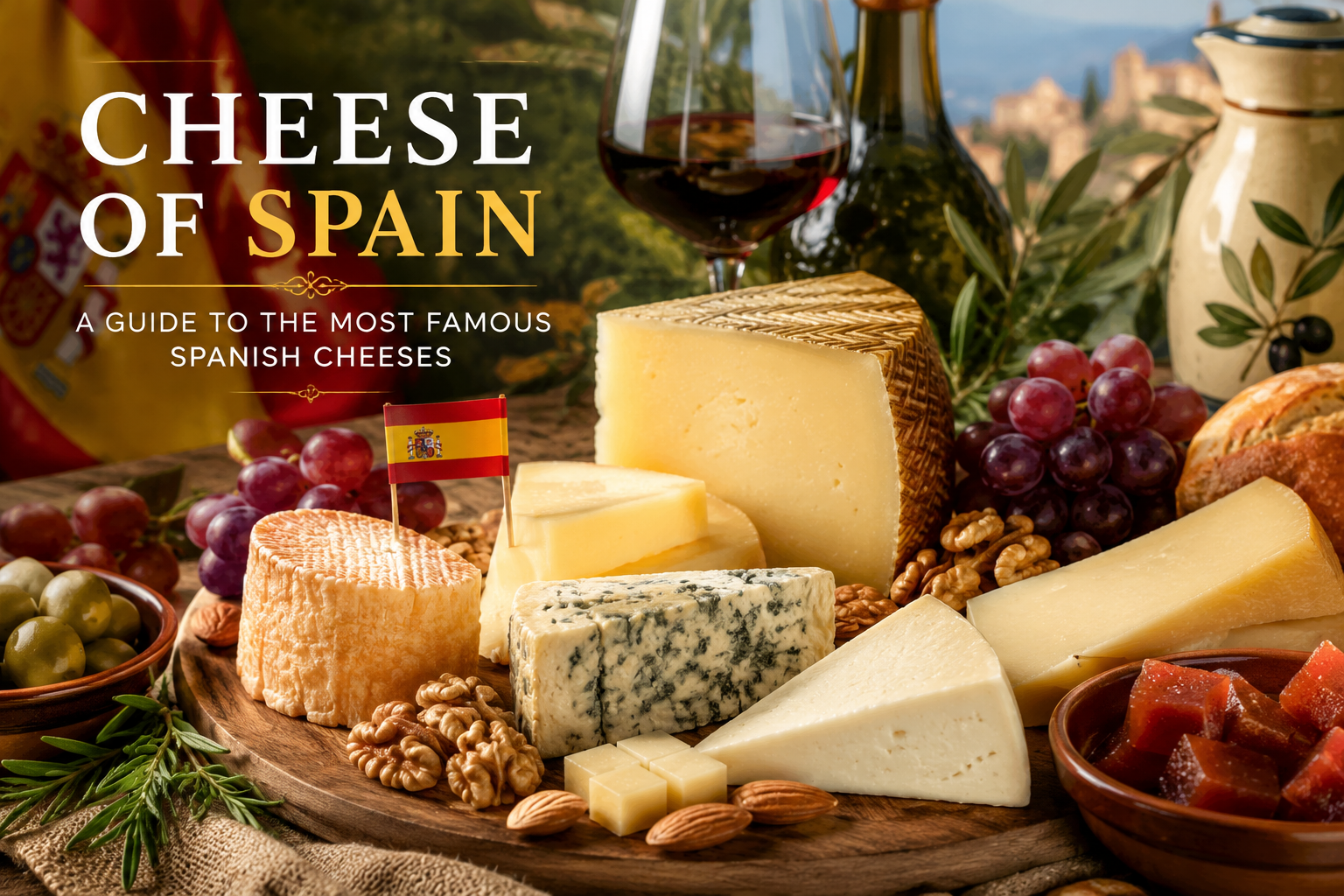
Spain is known worldwide for flamenco, olive oil, paella, and wine, but one of its most remarkable culinary treasures often receives less international attention: Spanish cheese. The cheese of Spain reflects centuries of farming traditions, diverse landscapes, and regional identities stretching from mountain villages to Mediterranean islands.
With more than 200 + recognized varieties, Spanish cheeses range from creamy and mild to intensely aged, smoky, and blue-veined. Whether you are planning a trip to Spain, building a gourmet cheese board, or simply curious about European food traditions, understanding Spain’s most famous cheeses opens a window into Spanish culture itself.
In this guide, you will discover the most important Spanish cheeses, where they come from, how they taste, and how to enjoy them.
Why Spanish Cheese Is Unique
The diversity of Spanish cheese comes largely from geography.
Northern Spain’s wet and mountainous climate produces rich cow and blue cheeses, while central and southern regions are famous for sheep milk varieties. Mediterranean islands contribute buttery cheeses influenced by sea air and traditional aging methods.
Many cheeses are protected under Protected Designation of Origin (PDO) rules, meaning they must be produced in specific regions using traditional methods.
This protection preserves authenticity and explains why many Spanish cheeses maintain strong regional identities.
1. Manchego: The Most Famous Cheese of Spain
The most internationally recognized Spanish cheese is undoubtedly Manchego. Produced in Castilla-La Mancha, Manchego is made exclusively from the milk of Manchega sheep.
Flavor profile:
- Nutty
- Slightly tangy
- Buttery
- Rich with caramel notes when aged
Types by aging:
Fresco:
Young and mild
Semicurado:
Aged around 3 months
Curado:
Aged 6 months+
Viejo:
Strong, complex flavor after long aging
Manchego pairs exceptionally well with:
- Honey
- Quince paste (membrillo)
- Almonds
- Red wine
- Serrano ham
If someone asks, “What is the most famous cheese in Spain?” Manchego is usually the answer.
2. Cabrales: Spain’s Powerful Blue Cheese
Another iconic cheese of Spain is Cabrales from Asturias. Cabrales develops inside limestone caves where humidity encourages natural mold growth.
Taste:
Expect:
- Sharp flavor
- Strong aroma
- Spicy finish
- Creamy texture
Cabrales is not for the faint of heart. It is aged in natural limestone caves where the high humidity naturally develops Penicillium molds (unlike other blues, mold isn’t injected into Cabrales). It is sharp, deeply savory, acidic, and incredibly pungent.
Pair with:
- Sweet cider
- Pears
- Walnuts
- Dark bread
3. Idiazabal: Spain’s Famous Smoked Cheese
Idiazabal originates from the Basque and Navarre regions. Made using sheep milk, it is traditionally smoked over wood. Idiazabal is a celebration of mountain shepherd traditions. Historically, these cheeses were stored near the fireplaces of stone mountain huts, naturally absorbing the smoke. Today, it comes in both unsmoked and smoked varieties (usually smoked over beech or hawthorn wood), offering a buttery, nutty flavor with a campfire aroma.
Flavor:
- Smoky
- Dense
- Earthy
- Slightly buttery
Idiazabal is ideal for:
- Cheese boards
- Grilled dishes
- Pairing with Rioja wines
4. Mahón: The Mediterranean Cheese
Mahón comes from the island of Menorca. Mahón is profoundly shaped by the Mediterranean Sea. The salty sea breezes coat the pastures where the cows graze, giving the cheese a distinctively salty, sharp, and slightly tangy flavor profile. The rind is rubbed with paprika and olive oil during aging, giving it a bright orange hue.
Characteristics:
Young Mahón:
- Soft
- Mild
Aged Mahón:
- Firm
- Tangy
- Sharp
It pairs beautifully with fruit and white wines.
5. Tetilla: Spain’s Creamiest Cheese
Named Tetilla (meaning “small breast”) because of its distinct cone-like shape, this cheese comes from the green, rainy valleys of Galicia. It is a mild, approachable cheese with a buttery, slightly lactic, and tangy flavor that melts beautifully.
.
Its flavor is:
- Mild
- Creamy
- Slightly buttery
This cheese appeals to people who enjoy softer European cheeses.
6. Roncal: One of Spain’s Oldest Protected Cheeses
Roncal holds a special place in Spanish history: in 1981, it became the very first cheese to receive the Denominación de Origen (DO) status. It is a rugged mountain cheese—straw-colored, robust, savory, and slightly piquant, with a rich, fatty mouthfeel.
Produced from sheep milk, it offers:
- Herbal notes
- Firm texture
- Long finish
7. Majorero: Canary Islands Cheese
Fuerteventura is a dry, volcanic island, and the Majorera goats thrive in this desert environment, producing incredibly rich, thick milk. Majorero cheese is milky and nutty with a gentle goat-milk tang. The rind is traditionally rubbed with pimentón (paprika), oil, or roasted maize flour (gofio).
Its taste often includes:
- Nutty notes
- Herb flavors
- Slight saltiness
Regions of Spain and Their Traditional Cheeses
Understanding Spanish cheeses by region helps travelers and food enthusiasts explore local specialties.
Northern Spain
Known for:
- Blue cheeses
- Cow milk cheeses
- Strong flavors
Examples:
Cabrales, Tetilla
Central Spain
Famous for:
- Sheep milk cheeses
- Aged varieties
Examples:
Manchego
Mediterranean Islands
Known for:
- Salty cheeses
- Sea-influenced aging
Examples:
Mahón
Basque Country
Produces:
- Smoked cheeses
- Artisan sheep cheeses
Examples:
Idiazabal
How Spanish Cheese Is Traditionally Made
Traditional cheese-making in Spain often follows methods passed through generations.
Typical process:
- Milk collection
- Coagulation
- Curd formation
- Pressing
- Salting
- Aging
Some cheeses mature in caves, while others age in dry mountain climates.
The aging process greatly influences texture and flavor.
Sheep, Goat, or Cow Milk: Which Is Best?
Spanish cheeses commonly used:
Sheep Milk
Produces:
- Rich flavor
- Dense texture
Examples:
Manchego, Roncal
Goat Milk
Produces:
- Tangy flavor
- Creamy finish
Examples:
Majorero
Cow Milk
Produces:
- Mild taste
- Soft texture
Examples:
Tetilla
Best Ways to Eat Cheese from Spain
Spanish cheese is rarely eaten alone.
Popular accompaniments include:
Membrillo (Quince Paste)
A classic pairing with Manchego.
Jamón
Saltiness balances cheese richness.
Nuts
Walnuts and almonds complement aged varieties.
Wine
Spanish wines pair naturally with regional cheeses.
Examples:
- Red wine + Manchego
- Cider + Cabrales
- White wine + Mahón
How to Build a Spanish Cheese Board
Create balance using different textures.
Include:
Soft cheese
Tetilla
Aged cheese
Manchego Curado
Blue cheese
Cabrales
Smoked cheese
Idiazabal
Add:
- Grapes
- Almonds
- Honey
- Olives
- Bread
Where to Buy Authentic Spanish Cheese
If visiting Spain:
Look for:
- Local food markets
- Specialty cheese shops
- Regional producers
Authentic labeling often indicates PDO protection.
When buying online, verify origin information.
Health Benefits of Spanish Cheese
Consumed in moderation, cheese provides:
- Protein
- Calcium
- Vitamin B12
- Healthy fats
Aged cheeses often contain concentrated nutrients.
However, sodium content may be high, so balance matters.
Why Travelers Should Explore Spanish Cheese Culture
Food reveals culture.
Trying regional cheese in Spain often tells stories about:
- Climate
- Farming traditions
- Local history
- Family production methods
Sampling cheese across regions becomes a culinary map of the country.
Frequently Asked Questions About Cheese of Spain
What is the most famous cheese of Spain?
Manchego is widely considered Spain’s most famous cheese.
What cheese should tourists try in Spain?
Start with:
- Manchego
- Cabrales
- Idiazabal
- Mahón
Is Spanish cheese similar to French cheese?
Spanish cheese tends to emphasize sheep milk and stronger aged flavors, while French cheese includes more soft-ripened varieties.
What is Spain’s strongest cheese?
Cabrales is among the strongest and most pungent.
Which Spanish cheese is best for beginners?
Tetilla or young Manchego are approachable options.
Final Thoughts: Discovering the Best Cheese of Spain
The cheese of Spain represents much more than food. It reflects landscapes, traditions, and centuries of craftsmanship. From the buttery richness of Manchego to the bold intensity of Cabrales, Spanish cheeses offer remarkable diversity.
Whether you are visiting Spain or creating a gourmet tasting experience at home, exploring Spanish cheese is one of the easiest ways to understand the country’s culinary identity.
If you have only one starting point, begin with Manchego—then continue through Spain region by region. You may discover your new favorite cheese.
“Interested in diving deeper into the world of Spanish food? Our latest article explores the rich history and culture of olive oil in Spain — from ancient Roman trade routes to the sun-drenched groves of Andalusia. Check it out here: Olive Oil in Spain: History, Culture, and Why Spanish EVOO Leads the World“
Friends don’t let friends eat frozen paella on Las Ramblas.
Let’s be honest: your stomach deserves better than a microwave-heated meal and a 10-euro “sangria” that’s actually just red juice and sadness.
At Eye on Food Tours, we believe in “Love at First Taste.” We’ll take you through the winding backstreets of Barcelona and Madrid to find the family-run taverns where the locals actually hide. You’ll get 10+ tastings, enough wine to make your history lessons interesting, and the secret satisfaction of knowing you’re eating better than every other tourist in the city.
Don’t just look at the food—eat it: Book your spot here!