The Complete Guide to Tapas in Spain
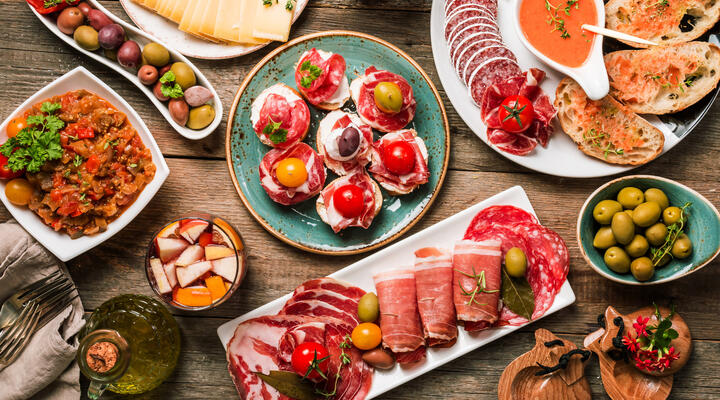
If you really want to understand Spain, you don’t start with museums or landmarks—you start in a crowded bar, elbow-to-elbow with locals, a small plate in one hand and a drink in the other. That’s where tapas live.
Tapas are not just food. They’re a rhythm, a habit, and a social ritual that defines everyday life across Spain. For travelers, they can feel a bit confusing at first—but once you understand how it all works, it becomes one of the most rewarding experiences of your trip.
This guide breaks it all down in detail—so you can confidently eat, order, and enjoy tapas like a local.
What Are Tapas? (Beyond the Definition)
At the simplest level, tapas are small dishes served alongside drinks. But that definition barely scratches the surface.
Tapas can be:
- A quick snack before dinner
- A full meal made of multiple plates
- A social activity that lasts hours
- A cultural tradition that varies by region
Unlike structured dining in many countries, tapas are fluid. There’s no strict beginning or end. You might start with one drink and one tapa, then suddenly find yourself three bars deep, sampling five different dishes.
That spontaneity is the essence of tapas culture.
The Origins of Tapas: History and Legends
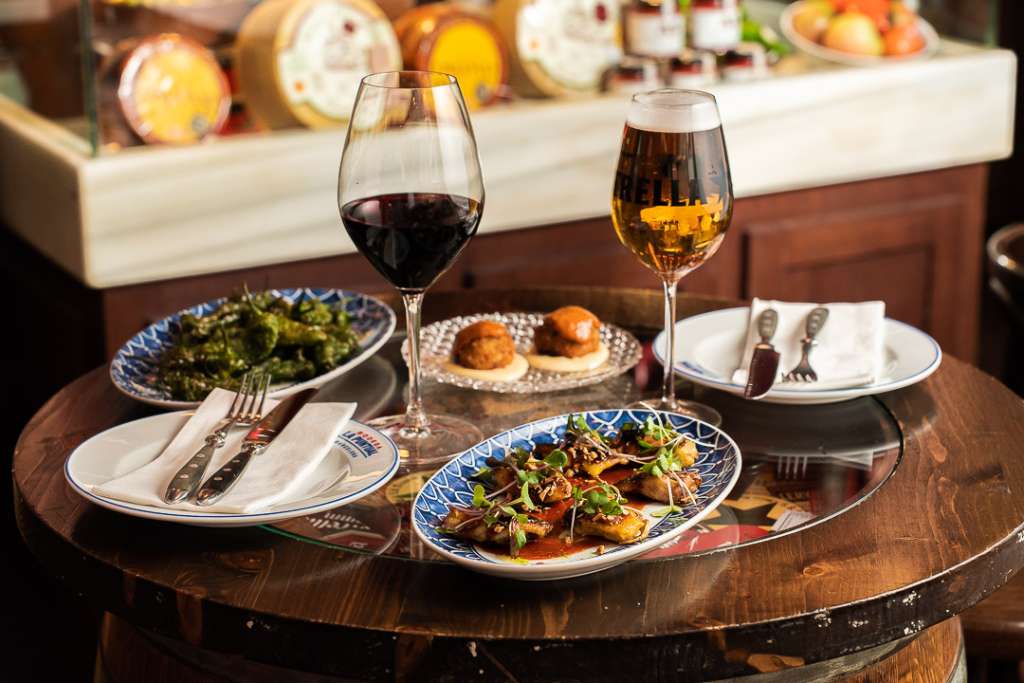
The origin of tapas is wrapped in legend, and Spain has no shortage of stories.
One of the most popular involves King Alfonso X, who supposedly recovered from illness by drinking wine with small portions of food between meals. He later decreed that taverns should serve food with drinks.
Another story claims bartenders would place a slice of bread or cured meat over a glass of wine to protect it from dust or flies—this “cover” (tapa) eventually became part of the meal.
Regardless of which story is true, tapas evolved from something practical into something deeply cultural. Today, they represent Spain’s love of sharing, variety, and informal dining.
This is where most visitors misunderstand tapas—it’s not just about what you eat, but how you eat.
Tapas Are Social by Design
In Spain, meals are rarely rushed or eaten alone. Tapas encourage:
- Conversation
- Sharing
- Movement (bar to bar)
You’re not meant to sit silently over a single dish. Instead, you:
- Order multiple plates
- Share everything
- Talk, laugh, and linger
The Art of “Tapeo”
Tapeo is the act of going out for tapas. It often involves:
- Visiting multiple bars in one evening
- Having one or two dishes per stop
- Pairing each stop with a different drink
It’s essentially a culinary crawl—and it’s one of the most authentic experiences you can have in Spain.
Types of Tapas (Deep Dive)
Tapas are incredibly diverse. Here’s a more detailed look at what you’ll encounter:
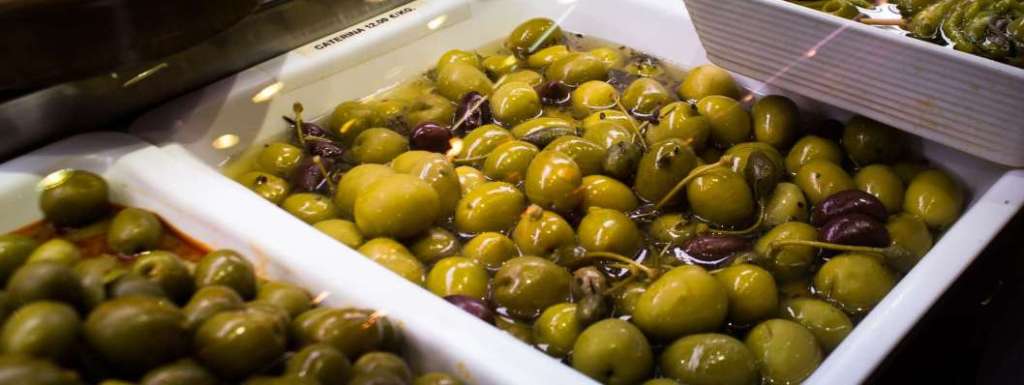
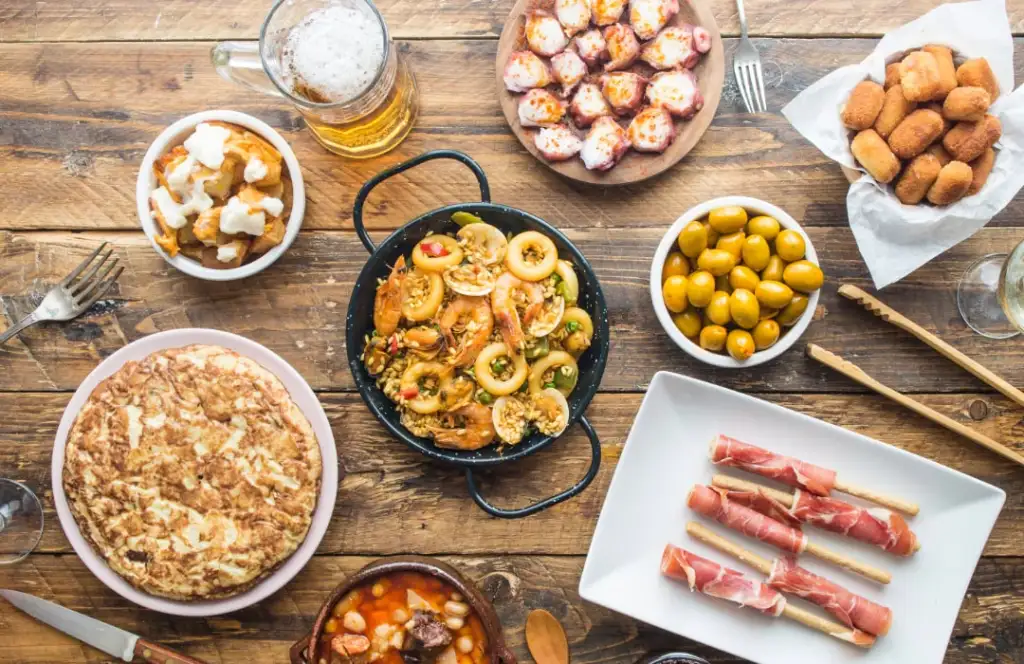
1. Cold Tapas (Tapas Frías)
These are usually ready to serve and perfect for quick bites.
Common examples:
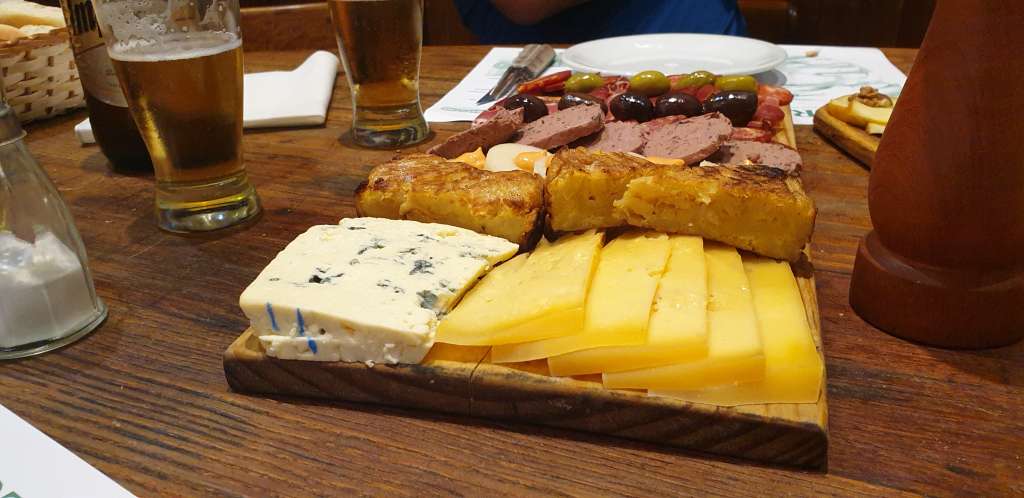
- Olives (aceitunas)
- Cured ham (jamón ibérico)
- Spanish cheeses (like manchego)
- Anchovies (boquerones)
- Russian salad (ensaladilla rusa)
These are often displayed at the bar, making it easy to point and order.
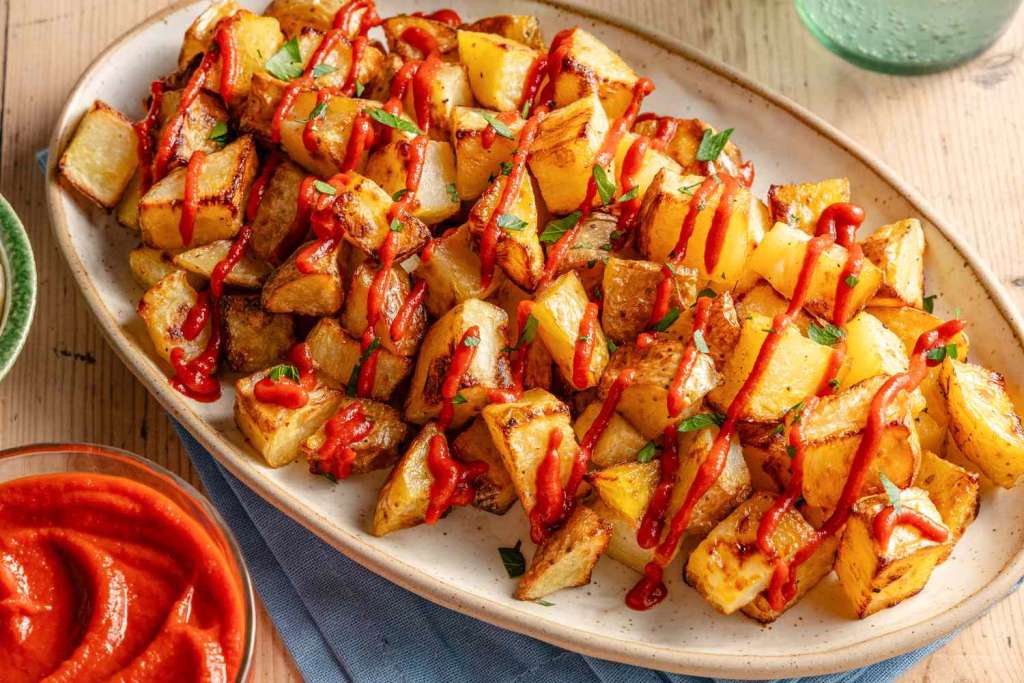
2. Hot Tapas (Tapas Calientes)
Freshly cooked and often more filling.
Popular dishes:
- Patatas bravas – fried potatoes with spicy tomato sauce
- Croquetas – crispy rolls filled with ham, chicken, or cheese
- Gambas al ajillo – shrimp cooked in garlic and olive oil
- Calamares fritos – fried squid rings
These dishes are comforting, flavorful, and widely available.
3. Bread-Based Tapas
Carbs are taken seriously in Spain.
- Montaditos – small sandwiches
- Tostas – toasted bread with toppings
- Pan con tomate – bread with tomato, olive oil, and salt
Simple, but incredibly satisfying.
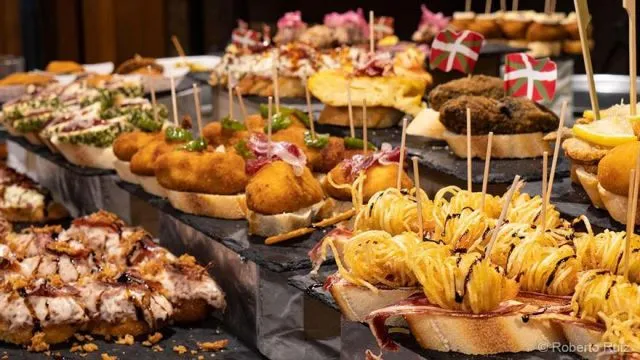
4. Pintxos (Northern Spain)
Technically different from tapas, but worth understanding.
- Typically served on bread
- Held together with a toothpick
- Often displayed on the bar
- You pay based on how many you eat
They’re especially popular in northern regions and tend to be more creative and gourmet.

5. Seafood Tapas
Given Spain’s coastline, seafood plays a huge role.
- Octopus (pulpo)
- Mussels (mejillones)
- Clams (almejas)
- Sardines (sardinas)
Freshness is key, and coastal cities excel at these dishes.
Regional Tapas Culture Across Spain
Tapas change dramatically depending on where you are.
Southern Spain (Andalusia)
- Tapas are sometimes free with drinks
- Strong focus on fried foods and seafood
- Casual and lively atmosphere
Cities like Granada are famous for generous portions.
Madrid
- A mix of traditional and modern tapas
- Classic dishes like tortilla española
- Bustling, high-energy bar scene
You’ll find everything from old taverns to trendy гастro-bars.
Catalonia (including the Barcelona area)
- Emphasis on quality ingredients
- Strong vermouth culture
- Blend of tapas and local dishes
Expect slightly more refined presentations.
Basque Country
- Home of pintxos
- Highly creative, almost artistic dishes
- Often considered the most gourmet tapas in Spain
It’s a must-visit region for serious food lovers.
How to Order Tapas Like a Pro
Walking into a tapas bar without a plan can feel overwhelming—but it’s easier than it looks.
Step-by-Step Strategy
1. Scan the Room
- Are people standing or sitting?
- Is there a menu or food displayed?
Follow the locals.
2. Start Simple
Order:
- A drink
- 1–2 tapas
Then build from there.
3. Share Everything
Tapas are meant for the table—not individual plates.
4. Pace Yourself
You’re not in a rush. Eat slowly, order more if needed.
5. Try Multiple Bars
Don’t commit to just one place—variety is the whole point.
Tapas Etiquette (What Not to Do)
A few cultural tips can make a big difference:
- Don’t order everything at once
- Don’t expect personal portions
- Don’t rush the experience
- Don’t sit at a table for hours without ordering more
And yes—using bread to soak up sauce is absolutely encouraged.
How Much Do Tapas Cost?
Prices vary depending on location:
- Small towns: €1–€3 per tapa (sometimes free)
- Cities: €3–€6 per tapa
- Gourmet spots: €6–€12+
A full tapas meal can cost anywhere from €10 to €30 per person.
Best Drinks to Pair with Tapas
Drinks are an essential part of the experience.
Popular choices:
- Beer (caña) – small and refreshing
- Red wine (vino tinto)
- White wine (vino blanco)
- Vermouth (vermut) – especially in Catalonia
- Sangria – more common for tourists
Locals often stick to simple, classic drinks.
When to Go Out for Tapas
Spain runs on a later schedule:
- Lunch: 1:30–3:30 PM
- Dinner/tapas: 8:30–11:30 PM
Going too early might mean empty bars or limited food options.
Must-Try Tapas for First-Time Visitors
If you’re overwhelmed by choices, start here:
- Patatas bravas
- Croquetas
- Tortilla española
- Jamón ibérico
- Gambas al ajillo
- Pan con tomate
These dishes give you a perfect introduction to Spanish flavors.
Common Mistakes Tourists Make
Let’s save you from a few awkward moments:
- Ordering too much at once
- Staying in one bar all night
- Not sharing food
- Expecting fast service
- Skipping local specialties
Tapas are about flow, not structure.
Why Tapas Are Perfect for Travelers
Tapas offer something few dining styles can:
- Variety – try many dishes in one night
- Flexibility – eat as much or as little as you want
- Affordability – options for every budget
- Authenticity – experience real local culture
It’s one of the easiest and most enjoyable ways to explore Spanish cuisine.
Final Thoughts: Tapas as a Way of Life
Once you embrace tapas, your entire approach to dining changes. You stop thinking in terms of starters and mains and start thinking in moments—small plates, shared bites, spontaneous stops.
Tapas reflect Spain itself: relaxed, social, and deeply rooted in enjoying life.
So when you’re in Spain, don’t overthink it. Step into a busy bar, order a drink, pick a couple of dishes, and see where the night takes you.
That’s tapas done right.
Embark on Your Own Culinary Legend with Eye On Food Tours
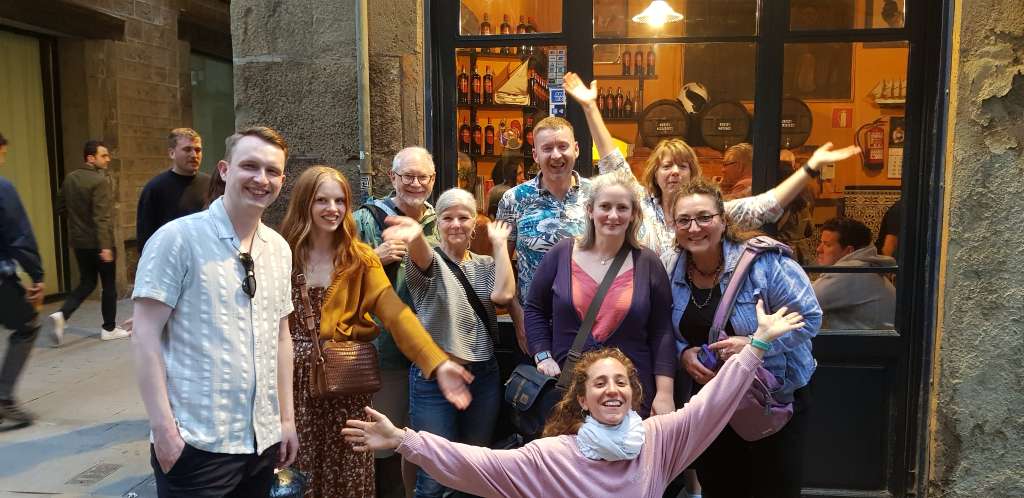
Are you ready to stop reading about history and start tasting it? At Eye On Food Tours, we specialize in taking you beyond the tourist “traps” and into the authentic heart of Spain’s food scene.
In 2026, our tours are more immersive than ever. Join our local experts in Madrid or Barcelona to:
- Discover Hidden Gems: Visit family-run taverns that have been serving the same secret recipes for generations.
- Master the Etiquette: Learn exactly how to order, what to drink, and how to navigate a crowded Spanish bar like a pro.
- Sustainable Sourcing: We partner with vendors who prioritize organic, “Kilometer Zero” ingredients, ensuring your food journey supports the local community.
Don’t Just Visit Spain—Taste It.
Ready to book?
- Explore Our Tours: eyeonfoodtours.com
- Call/WhatsApp Us: +34 656 18 31 45
- Visual Inspiration: Follow us on Instagram @eyeonfoodtours for daily doses of Spanish sunshine and salt.
Memories to savor: Make new friends, share laughter, and create lasting food memories. Secure your spot today for the ultimate 2026 food adventure!
#HistoryOfTapas #SpainFoodTour #BarcelonaEatLocal #MadridTapas #SustainableTravel2026 #EyeOnFoodTours
“Hungry for more? Immerse yourself in the local flavors with our Ultimate Barcelona Food Guide for 2026. We’ve curated the best hidden gems and traditional staples to help you navigate the city like a true foodie.”