Hidden Food Markets Tourists Never See in Barcelona (2026 Guide)
Barcelona is famous for its food markets—but let’s be honest, most visitors end up in the same places. La Boqueria is packed shoulder-to-shoulder, cameras everywhere, prices creeping up. It’s iconic, sure—but it’s not where locals do their everyday shopping anymore.
If you want the real Barcelona food scene in 2026, you need to go beyond the obvious. The city is full of hidden markets, neighborhood food halls, and low-key street food spots that tourists rarely find—but locals rely on daily.
This guide takes you into those places. No fluff, no tourist traps—just authentic food culture.
Why Skip the Famous Markets (Sometimes)
Barcelona’s popular markets aren’t bad—they’re just… curated. Many stalls cater to visitors, menus are translated, and prices reflect demand.
Hidden markets, on the other hand:
- Serve locals first
- Stick to traditional recipes
- Offer better value
- Feel more alive and less staged
You’ll hear Catalan being spoken, see regulars greeting vendors by name, and eat food that hasn’t been adjusted for outsiders.
Hidden Food Markets in Barcelona You Shouldn’t Miss
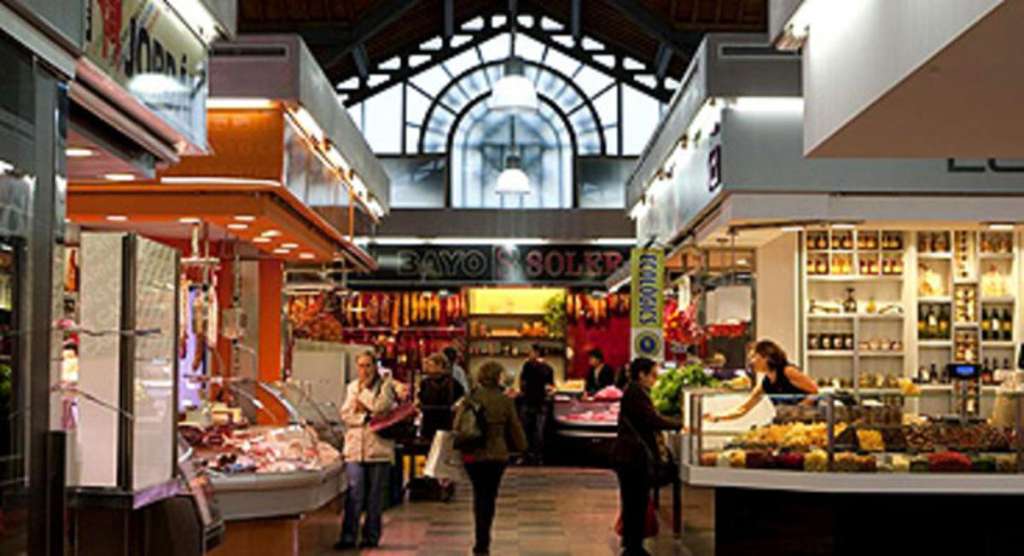
Mercat de la Llibertat (Gràcia)
This market sits right in the heart of Gràcia, a neighborhood that still feels like its own small town inside Barcelona. Unlike central markets, this one hasn’t been reshaped for tourism—it’s still part of daily life.
What it’s really like:
Bright, airy, and surprisingly calm. You won’t feel rushed here. Locals come in for quality ingredients, not quick snacks.
What stands out:
- Some of the best fresh seafood outside coastal towns
- Butchers and cheesemongers who actually advise you, not just sell
- Small counters serving simple but top-tier dishes
- Traditional Catalan dishes are prepared fresh
- Calm, community-driven atmosphere
What to eat:
- Fresh anchovies or sardines (super local staple)
- Iberian ham sliced to order
- A quick plate of grilled vegetables or tortilla
- Fresh pa amb tomàquet
- Seasonal mushrooms (in autumn)
- Local cheeses and cured meats
Best time to go:
Mid-morning (10:00–12:00) when it’s lively but not crowded.
Why it’s underrated:
Gràcia itself is worth wandering—less touristy, more village-like. It’s not flashy. No viral TikToks, no neon juice stalls—just consistently excellent food.
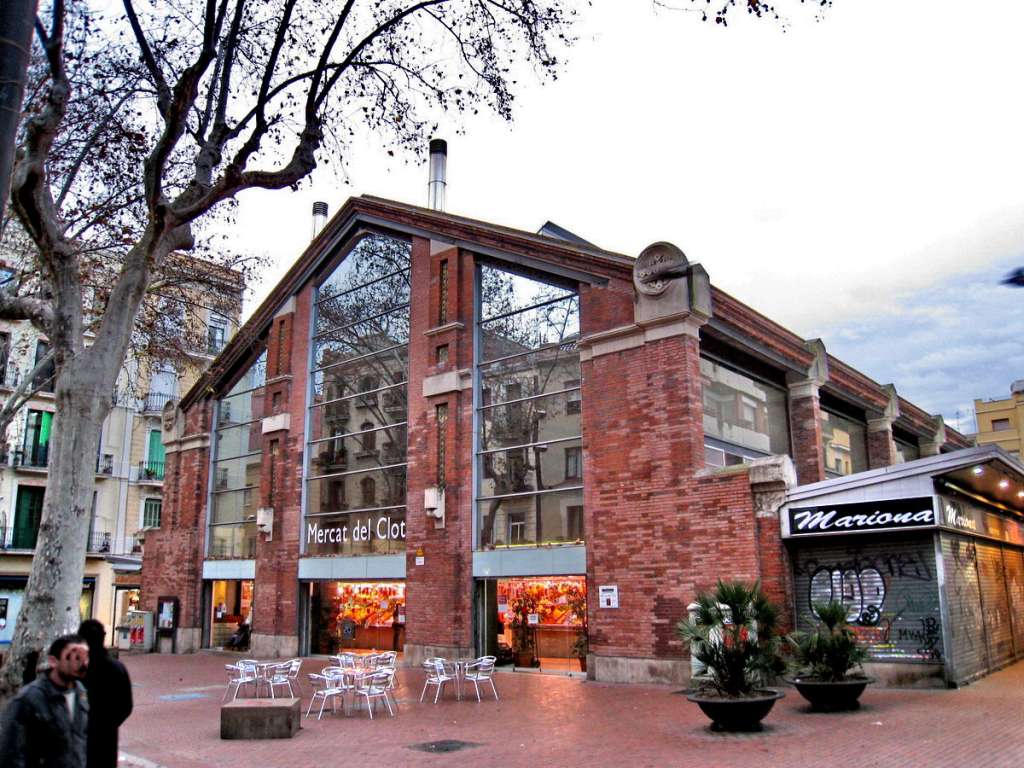
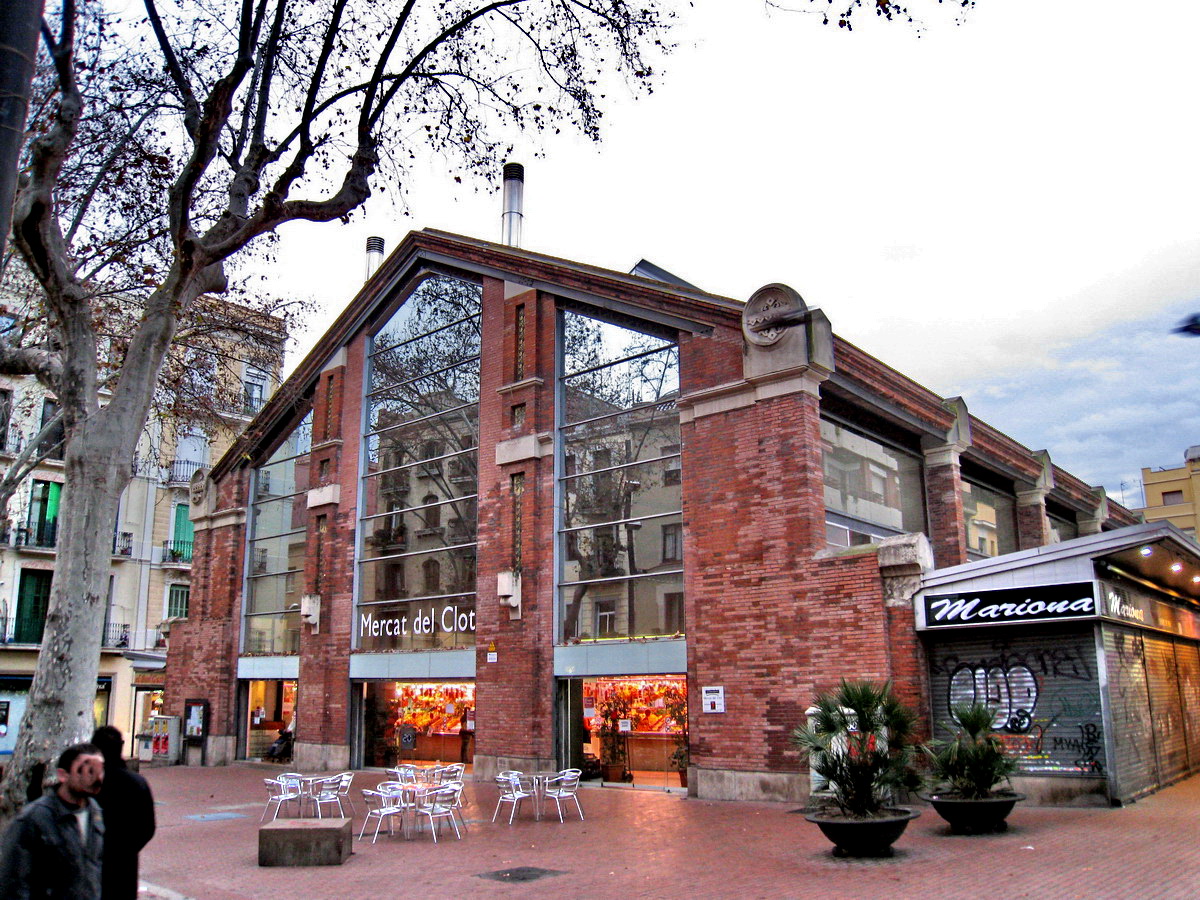
Mercat del Clot (El Clot)
If you want to see how working-class Barcelona eats, this is your place. It’s practical, no-nonsense, and deeply local.
What it’s really like:
Bustling, slightly chaotic, and very real. You’ll hear more Catalan than Spanish, and almost no English.
What stands out:
- Affordable cooked food counters
- Regulars who’ve been coming for years
- Vendors who prioritize speed and familiarity
What to eat:
- Hearty lentil or chickpea stews
- Grilled pork or chicken with potatoes
- Simple bocadillos (sandwiches) done right
Why go:
- Authentic working-class vibe
- Affordable, hearty food
- Minimal English spoken (a good sign)
Hidden gem tip:
Look for small counters serving hot lunches—simple dishes like stews, grilled meats, and lentils.
Best time to go:
Around lunchtime (1:00–2:30 PM) when workers grab meals.
Why it’s underrated:
It’s not “pretty”—but the food hits harder than most trendy spots. This is about as local as it gets. You won’t find influencers here—just residents doing their daily shopping.
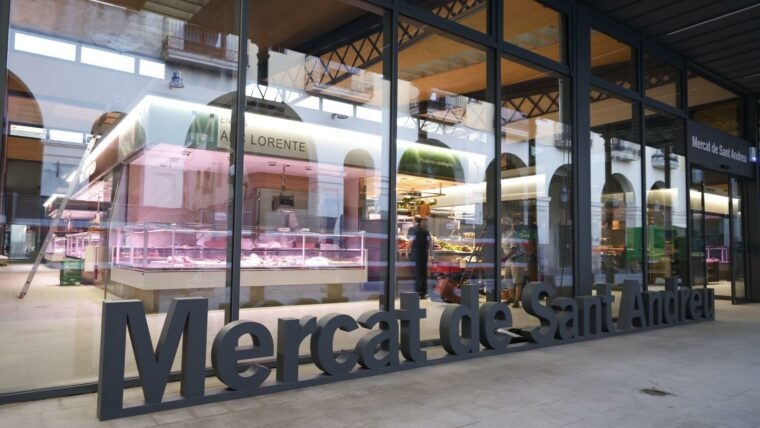
Mercat de Sant Andreu (Sant Andreu)
Sant Andreu feels like a village frozen in time, and this market reflects that slower, more traditional rhythm.
What it’s really like:
Friendly, community-driven, and a bit nostalgic. People greet each other, chat, and take their time.
What stands out:
- Family-run stalls with decades of history
- Strong focus on traditional Catalan cooking
- A slower pace compared to central Barcelona
What to eat:
- Rotisserie chicken with crispy potatoes
- Handmade croquettes (often better than restaurants)
- Fresh fish grilled on the spot
Best time to go:
Late morning into early afternoon.
Why it’s underrated:
It’s far from the city center—most tourists never make it out here.
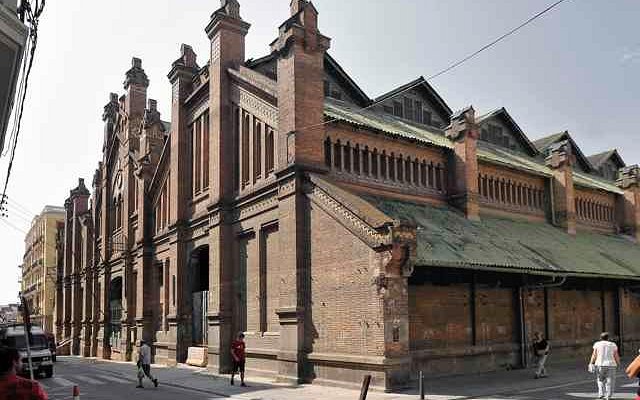
Mercat de Sants (Sants)
This one sits in a more residential, slightly gritty part of Barcelona—but that’s part of its charm.
What it’s really like:
A mix of old and new. Recently renovated, but still very much a local hub.
What stands out:
- Balanced mix of raw ingredients and ready meals
- Great value compared to central areas
- Popular with families and workers
What to eat:
- Tortilla española (thick, soft, and filling)
- Grilled fish with minimal seasoning (classic Catalan style)
- Quick tapas plates at counter bars
Best time to go:
Morning for shopping, early afternoon for food.
Why it’s underrated:
It doesn’t have a “wow” factor—but it’s consistently good and reliable.
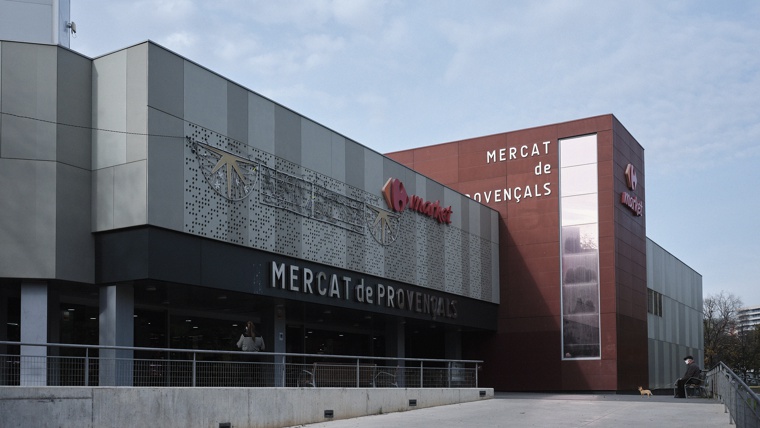
Mercat de Provençals (Sant Martí)
This is the kind of place you’d never find unless someone told you about it—which is exactly why it’s worth visiting.
What it’s really like:
Quiet, hyper-local, and almost invisible to outsiders.
What stands out:
- Vendors who know their customers personally
- No attempt to cater to tourists
- Straightforward, honest food
What to eat:
- Daily specials (whatever’s fresh that day)
- Simple grilled meats or fish
- Fresh fruit that actually tastes like something
Best time to go:
Early morning for the freshest selection.
Why it’s underrated:
It’s not near anything “touristy,” so it gets completely overlooked.
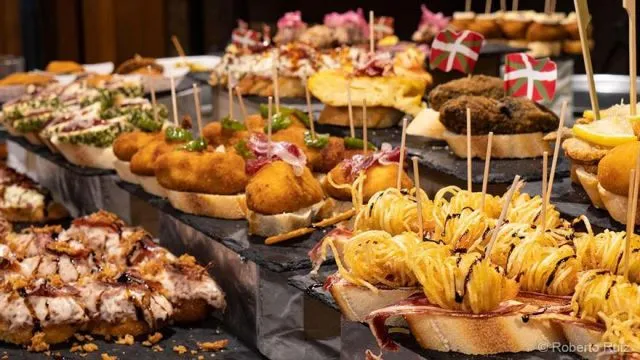
Hidden Street Food Spots Locals Love
Barcelona isn’t traditionally a “street food city” like Bangkok or Mexico City—but that’s changing, especially in 2026. The key is knowing where to look.
Poble-sec Backstreet Bites
Around Poble-sec, you’ll find informal food spots that don’t show up in guides.
What to expect:
- Fusion tapas
- Late-night bites
- Affordable eats popular with young locals
Walk away from the main streets and follow the crowds.
Sant Antoni Side Streets
Near Mercat de Sant Antoni—but not inside it—you’ll find smaller, less visible food vendors.
Hidden gems include:
- Bakeries with fresh empanadas
- Tiny takeaway counters
- Pop-up stalls during weekends
Night Food in El Raval (Local Edition)
El Raval has a reputation—but locals know where to go.
Look for:
- Pakistani and North African food stalls
- Late-night bakeries
- Cheap, filling meals after midnight
This is where Barcelona’s multicultural food scene really shines.
What You’ll Eat That Tourists Miss
Real Catalan Everyday Food
Forget fancy tapas—locals eat:
- Stews (escudella)
- Grilled meats
- Simple fish dishes
These are rarely highlighted in tourist menus but common in local markets.
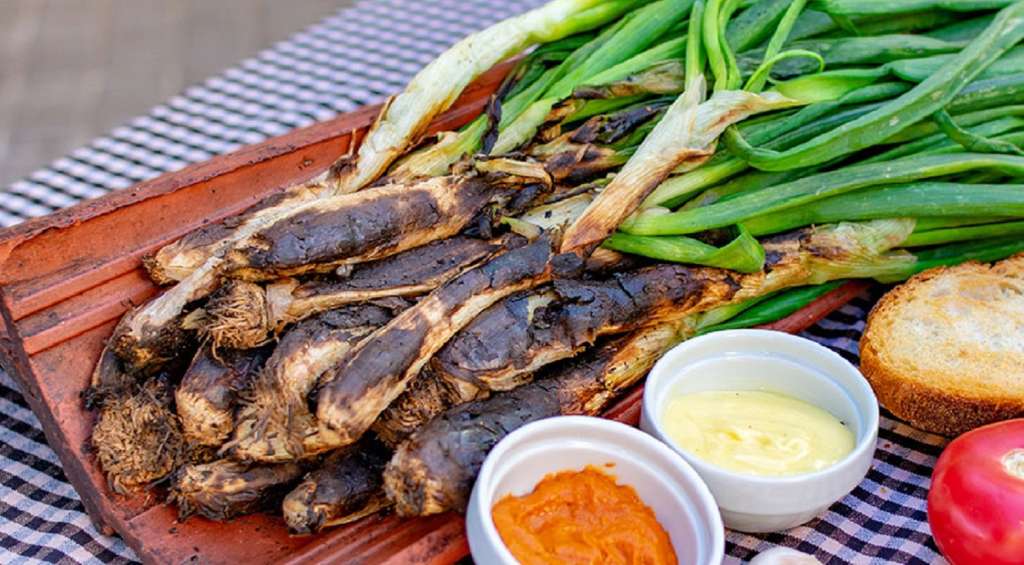
Seasonal Specialties
Hidden markets reflect the seasons more strongly than tourist spots.
Examples:
- Calçots in winter
- Fresh figs in late summer
- Wild mushrooms in autumn
Worker Meals (Menu del Día Alternatives)
In markets, you’ll find quick, affordable meals designed for workers:
- Protein-heavy
- Fast to serve
- Surprisingly delicious
How to Find Hidden Food Markets in Barcelona
Leave the Center
If you’re near La Rambla all the time, you’re missing out. Head to neighborhoods like:
- Gràcia
- Sant Andreu
- Sants
- El Clot
That’s where real life happens.
Would you like to learn a little bit more about markets in Barcelona take a look at our blog “Comparing La Boqueria vs Sant Antoni Market in Barcelona.”
Go Early
Most markets are busiest in the morning. By afternoon, many stalls close.
Best time: 8:00 AM – 1:30 PM
Watch the Locals
If a stall has a line of locals, join it. No need to overthink.
Learn a Few Words
Even basic Catalan or Spanish helps:
- “Bon dia” (good morning)
- “Què recomanes?” (What do you recommend?)
You’ll get better service—and sometimes better food.
Challenges (And Why They’re Worth It)
Language Barrier
Menus may not be translated—but pointing works surprisingly well.
Less “Comfort”
These places aren’t designed for tourists. Seating might be limited, and things can feel chaotic.
No Online Reviews
Some of the best spots don’t exist on Google Maps. That’s part of the adventure.
Hidden Markets vs Tourist Markets in Barcelona
Hidden Markets | Tourist Markets |
Local customers | Tourist-heavy |
Authentic recipes | Adapted dishes |
Lower prices | Higher prices |
Harder to find | Easy to access |
Real atmosphere | Curated experience |
The Ethics of Exploring Local Markets
Barcelona has been dealing with over-tourism for years. Hidden markets are one of the few spaces still mostly untouched.
So:
- Be respectful
- Don’t block aisles or photograph people without asking
- Support vendors by actually buying something
And maybe don’t geotag every hidden gem you find—some places deserve to stay local.
Final Thoughts: The Barcelona Most Tourists Miss
There’s a version of Barcelona that lives beyond Gaudí, beaches, and crowded markets. It’s quieter, more grounded—and arguably more interesting.
Hidden food markets are your entry point into that world.
You’ll eat better, spend less, and experience something far more meaningful than another crowded tourist stop.
So next time you’re in Barcelona in 2026, do one thing differently:
Skip La Boqueria for a day.
Take the metro out. Walk into a neighborhood market. Order something you don’t fully understand.
That’s where Barcelona really begins.
If you’re visiting Barcelona, a food tour is the perfect way to begin your journey. Our expert team will guide you through the city, offering insider insights and hand-picked recommendations for the best local dining spots. Come and join us at Tours of Barcelona for an authentic taste of the city.