How Roman Barcelona Influenced Modern Cuisine: From Ancient Empire to Today’s Table

Barcelona is known today for its vibrant food scene — from tapas bars and seafood markets to Michelin-starred restaurants. But long before celebrity chefs and food tourism, the foundations of Barcelona’s cuisine were laid by one of the most powerful civilizations in history: the Romans.
When the Romans founded Barcino (modern Barcelona) in the 1st century BCE, they didn’t just bring roads and architecture — they brought agricultural systems, cooking techniques, and eating habits that still shape what we eat today.
In this guide, we’ll explore how Roman Barcelona influenced modern cuisine and why ancient Roman food culture still lives on in Mediterranean diets across Spain and beyond.

Roman Barcelona: The Birth of a Culinary Identity

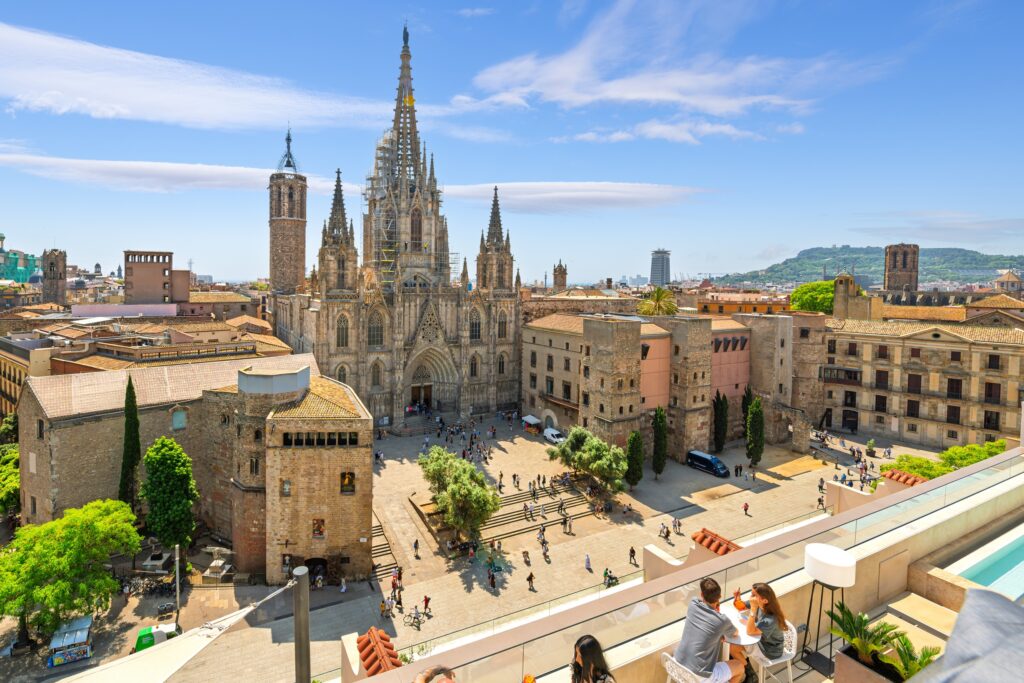
Roman Barcelona, known as Colonia Iulia Augusta Faventia Paterna Barcino, was strategically built near fertile land and the Mediterranean Sea. This location made it perfect for farming, fishing, and trade.
The Romans introduced:
- Advanced agricultural irrigation systems
- Large-scale olive oil and wine production
- Food preservation through salting and fermentation
- Structured marketplaces (early versions of food markets)
These systems created a reliable food economy — something essential for long-term culinary development.

The Roman Diet: Ingredients We Still Use Today
Many foods we consider “Mediterranean staples” were not just popular in ancient times — they were actively systematized, cultivated, and spread across Europe by the Romans. Through trade networks, agricultural innovation, and cultural influence, the Roman Empire created one of the first truly global food systems.
In Roman Barcelona (Barcino), these ingredients formed the backbone of daily life, and remarkably, they still define modern Mediterranean cuisine today.
Olive Oil: The Foundation of Mediterranean Cooking
Olive oil was the single most important ingredient in the Roman diet. Romans referred to it as oleum, and it was used for far more than just cooking.
Romans used olive oil for:
- Frying and roasting food
- Preserving vegetables and fish
- Religious rituals
- Skincare and medicine
- Lighting lamps
The Romans developed massive olive farms across Hispania (modern Spain), especially in Catalonia and Andalusia. They also engineered advanced olive presses, some of which influenced designs still used today.
Modern Spanish cuisine — from simple tomato bread (pan con tomate) to complex seafood dishes — still relies on olive oil as its primary fat, a direct inheritance from Roman food culture.

Wine: The Birth of European Wine Culture
While wine existed before the Romans, it was the Romans who industrialized viticulture.
In Roman Barcelona:
- Vineyards were planted on the surrounding hills
- Wine was exported across the empire
- Wine was consumed daily by all social classes
- It was often mixed with herbs, spices, or honey
The Romans introduced:
- Wine barrels and storage systems
- Vineyard zoning
- Early wine classification by region
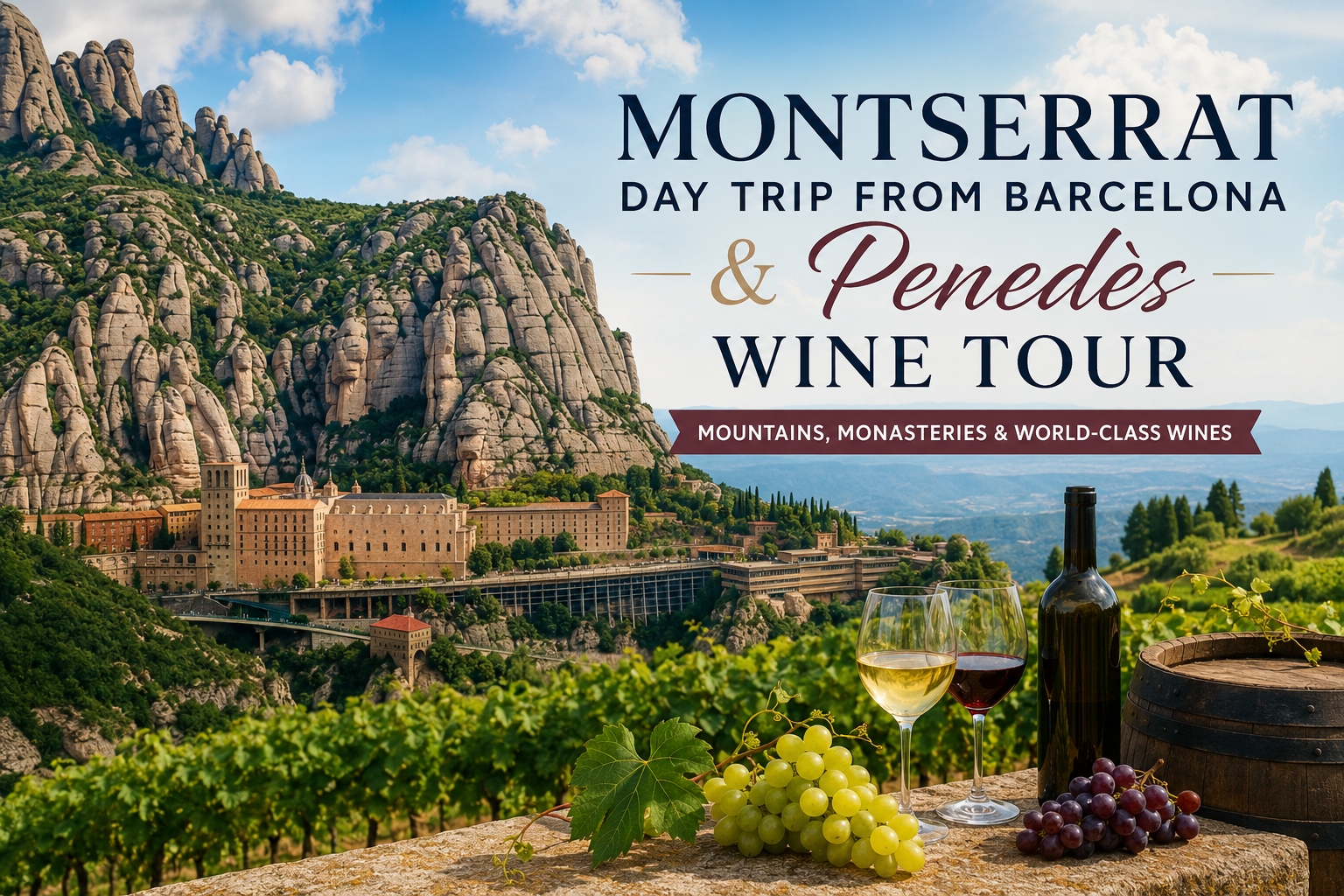
Regions near Barcelona, such as Penedès and Priorat, still grow grapes on land first cultivated by Roman settlers over 2,000 years ago.
Today’s European wine industry — from France to Spain to Italy — is essentially built on Roman infrastructure.

Wheat, Bread, and Grains: Feeding an Empire
Bread was the primary source of calories in the Roman world.
Romans cultivated:
- Wheat
- Barley
- Spelt
- Oats
They created:
- Large-scale grain mills
- Public bakeries
- Standardized bread recipes
- Government grain distribution (early food policy)
In Barcino, bread was eaten at every meal, often dipped in olive oil or wine — a habit that still exists in Spanish dining culture.
Modern bread traditions across Europe, especially rustic Mediterranean loaves, descend directly from Roman grain technology

Fish and Seafood: The Roman Love for the Sea
Living near the Mediterranean, Romans in Barcelona consumed large amounts of seafood:
- Sardines
- Anchovies
- Tuna
- Shellfish
But their most famous contribution was garum — a fermented fish sauce made from fish guts and salt.
Garum was:
- Used like modern seasoning
- Exported across the empire
- Extremely valuable (luxury versions existed)
While garum disappeared after Rome fell, its legacy survives in:
- Anchovy sauces
- Southeast Asian fish sauce
- Umami-based modern cooking
In other words, the Romans invented one of the world’s first flavor enhancers.

Fruits, Vegetables, and Herbs
The Romans dramatically expanded the variety of produce eaten in Europe.
They popularized:
- Figs
- Grapes
- Apples
- Pears
- Cabbage
- Lentils
- Chickpeas
- Onions
- Garlic
- Leeks
They also used herbs extensively:
- Rosemary
- Thyme
- Sage
- Basil
- Coriander
These herbs remain essential in Spanish, Italian, and Greek cooking today.
The Roman idea of seasonal eating — using what grows locally at different times of year — is now considered a modern sustainability principle, but it’s actually ancient Roman wisdom.

Cheese, Eggs, and Dairy
Romans consumed many forms of cheese, including early versions of:
- Ricotta-style cheeses
- Aged hard cheeses
- Goat and sheep cheese
They used cheese in:
- Sauces
- Baked dishes
- Stuffed vegetables
- Desserts with honey
Eggs were also a daily staple, often eaten boiled, fried in olive oil, or baked into savory pies.
The famous Roman phrase:
“From eggs to apples” (ab ovo usque ad mala)
meant “from the beginning to the end of the meal.”
Sound familiar? It’s basically the original “three-course dinner.”

Why This Still Shapes Modern Cuisine
What makes the Roman diet so powerful isn’t just the ingredients — it’s the philosophy behind them:
- Simple ingredients
- High-quality local produce
- Minimal processing
- Balanced meals
- Social dining
This philosophy is now rebranded as:
- The Mediterranean diet
- Clean eating
- Farm-to-table
- Slow food
But in reality, it’s all Roman at heart.
Many classic Spanish dishes rely on these same techniques, especially in Catalan cuisine.
If you’re visiting Barcelona, a food tour is the perfect way to begin your journey. Our expert team will guide you through the city, offering insider insights and hand-picked recommendations for the best local dining spots. Come and join us at Tours of Barcelona for an authentic taste of the city.
Food as Medicine: A Roman Concept
Roman physicians believed food was a form of medicine.
Influenced by Greek medical theory, the Romans categorized foods by:
- Hot vs cold
- Dry vs moist
- Heavy vs light
They tailored diets based on:
- Age
- Climate
- Activity level
- Health conditions
For example:
- Olive oil for digestion
- Garlic for immunity
- Wine for circulation
- Figs for gut health
Modern nutritional science is now confirming many of these same benefits.

The Roman Social Model of Eating
One of the most overlooked aspects of the Mediterranean diet is not what people eat, but how they eat.
Romans emphasized:
- Long, shared meals
- Eating slowly
- Conversation during dining
- Strong social bonds around food
Meals were cultural rituals, not rushed fuel stops.
Today, this is recognized as:
- Mindful eating
- Reduced stress
- Better digestion
- Lower obesity rates
The famous Roman concept of convivium (shared dining) is essentially the ancestor of modern Mediterranean food culture.
The Roman Food Pyramid (Before It Existed)
If you built a Roman food pyramid, it would look shockingly similar to modern ones:
Base (Daily foods):
- Bread and grains
- Vegetables and legumes
- Fruits
- Olive oil
Middle (Regular foods):
- Fish and seafood
- Cheese and eggs
- Nuts and seeds
Top (Occasional foods):
- Red meat
- Sweets with honey
- Rich sauces
This structure is nearly identical to modern Mediterranean diet models promoted by doctors and health organizations today.

Why the Roman Diet Promoted Longevity
People in Roman Mediterranean regions historically lived longer and healthier lives than many other ancient populations.
Key factors:
- Low-processed foods
- High fiber intake
- Healthy fats
- Physically active lifestyles
- Strong community bonds
- Sunlight and outdoor living
These same factors are now used to explain why Mediterranean populations today have:
- Lower heart disease
- Lower obesity
- Better cognitive health
- Longer life expectancy
In other words, modern science is simply validating ancient Roman habits.
From the Roman Empire to Modern Nutrition Science
When researchers in the 20th century studied populations in Italy, Spain, and Greece, they noticed something remarkable:
People were still eating almost exactly the way Romans did.
The “Mediterranean diet” was named and branded — but it was never invented. It was rediscovered.

Roman Barcelona’s Influence on Modern Spanish Dishes
Many iconic Spanish foods evolved from Roman foundations.
Modern Dish | Roman Influence |
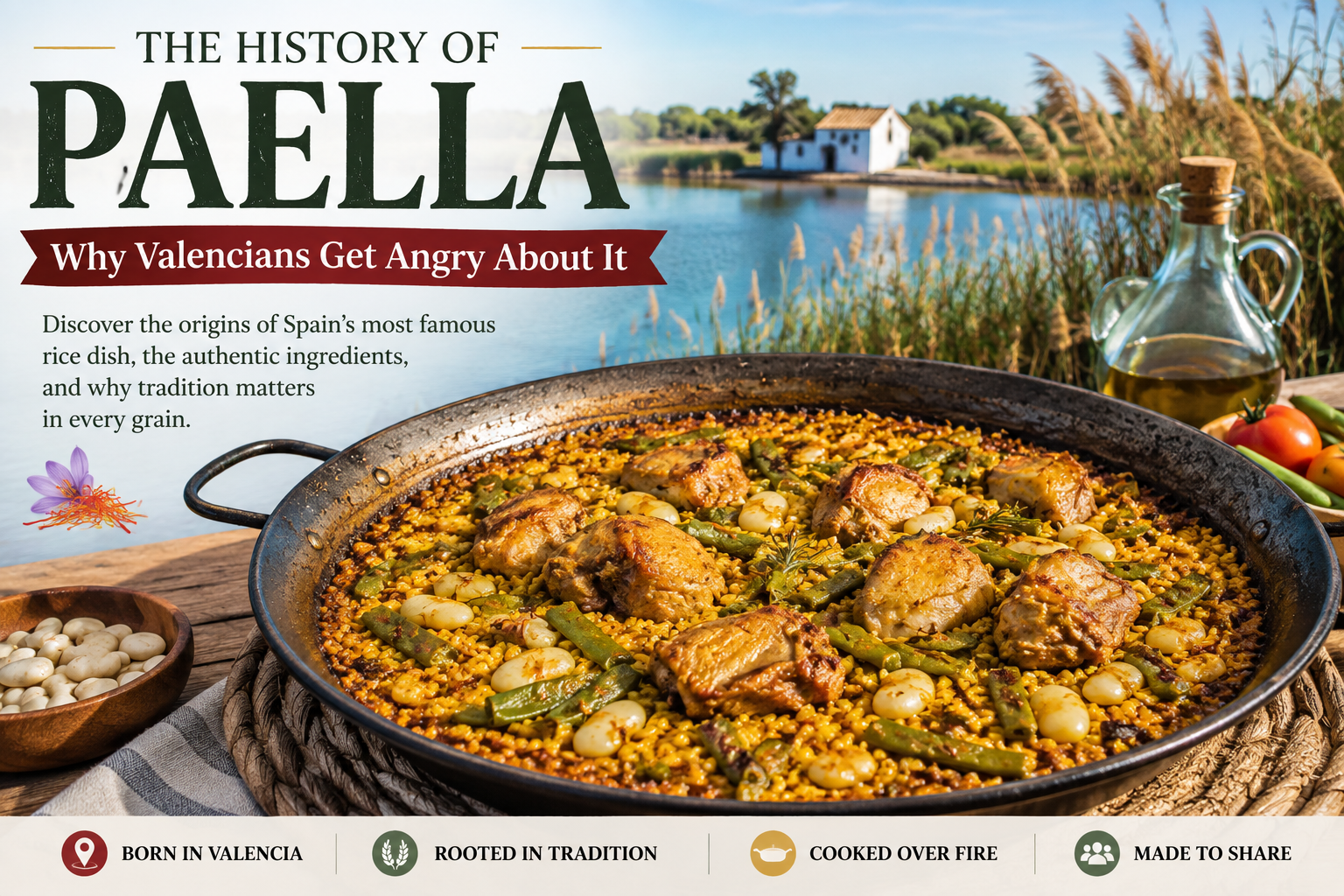
Paella | Roman grain + seafood cooking |
Escalivada | Roman roasting methods |
Tapas | Roman small-plate dining |
Cured meats | Roman salting techniques |
Wine & cheese | Roman fermentation culture |
Even the concept of eating socially — long meals, shared plates, conversation — comes directly from Roman customs.
Why Roman Cuisine Still Matters Today
Understanding Roman Barcelona’s influence isn’t just about history — it explains why modern food culture works the way it does.
The Romans created:
- The first global food system
- The blueprint for Mediterranean agriculture
- A culinary philosophy focused on balance, flavor, and community
In many ways, modern chefs are simply remixing Roman ideas with new tools and global ingredients.
Final Thoughts: Ancient Rome Is Still on Your Plate
Next time you drizzle olive oil on bread, sip Spanish wine, or eat seafood by the Mediterranean, remember — you’re participating in a food tradition over 2,000 years old.
Roman Barcelona didn’t just shape a city; it defined it. It shaped how the world eats.