Montjuïc Barcelona: Complete Guide to History, Attractions & Views

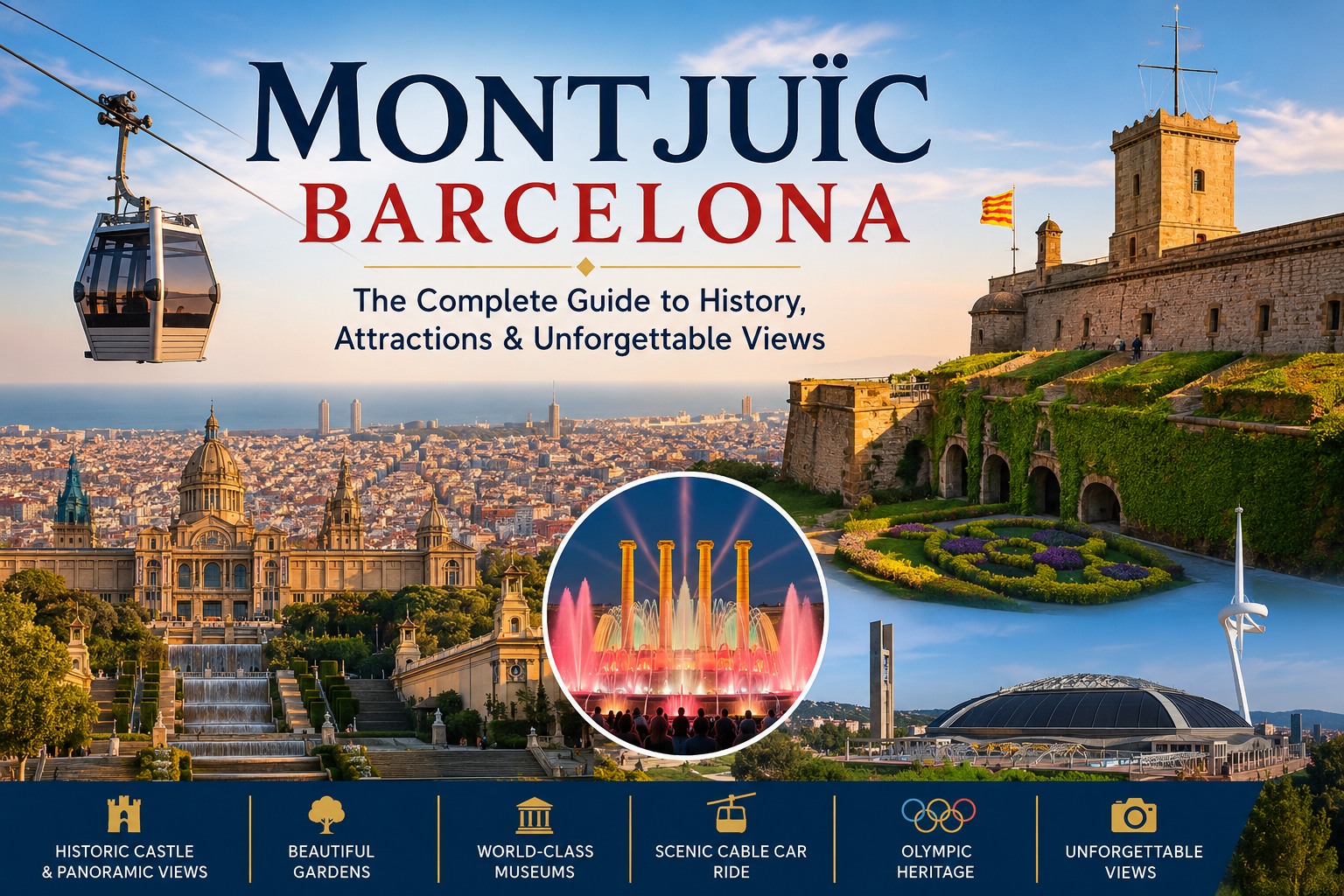
Montjuïc Barcelona featuring Montjuïc Castle, cable car, MNAC, Magic Fountain, Olympic Park, and panoramic city views.

Montjuïc Barcelona: The Complete Travel Guide to History, Attractions, and Unforgettable Views

Rising 177 meters above the Mediterranean coastline, Montjuïc is one of Barcelona’s most rewarding destinations — and one of the most misunderstood. Many first-time visitors treat it as a quick stop for photos, then rush back down to the Gothic Quarter or the beach. That’s a mistake. Montjuïc packs a 17th-century military fortress, an Olympic stadium, world-class art museums, botanical gardens, a cable car with sweeping sea views, and one of Europe’s most spectacular fountain shows into a single hillside park.

This guide covers everything you need to plan a visit: what to see, how to get there, how much it costs, and how to string it all together into one unforgettable day.

Why Montjuïc Deserves a Full Day on Your Itinerary

Montjuïc has worn many hats over the centuries. Its name is believed to derive from either “Jupiter’s Mountain” (referencing a Roman temple once thought to sit atop it) or a reference to a historic Jewish community connected to the hill. Whatever its etymological roots, the mountain has served as a military stronghold, a World’s Fair site, and an Olympic showcase — and today it functions as green lungs for a dense, sun-baked city.

The hill hosted the 1929 International Exposition, which is why so much of its architecture — including the monumental Plaça d’Espanya entrance — has a grand, fair-like quality. It later became the centerpiece of the 1992 Barcelona Olympic Games, leaving behind the Olympic Stadium, the Palau Sant Jordi arena, and the Olympic and Sports Museum. Layer on a medieval-turned-modern fortress, a surrealist art foundation founded by a native son, and manicured Mediterranean gardens, and you get a destination that rivals any single museum or landmark in Spain for sheer cultural density.

montjuic-2026-guide

Getting to Montjuïc: Transport Options

Montjuïc is well connected, and how you arrive can shape your whole visit.

From Barcelona–El Prat Airport: The airport is roughly a 25-minute ride away via the Aerobus to Plaça d’Espanya, which sits right at the foot of the hill.

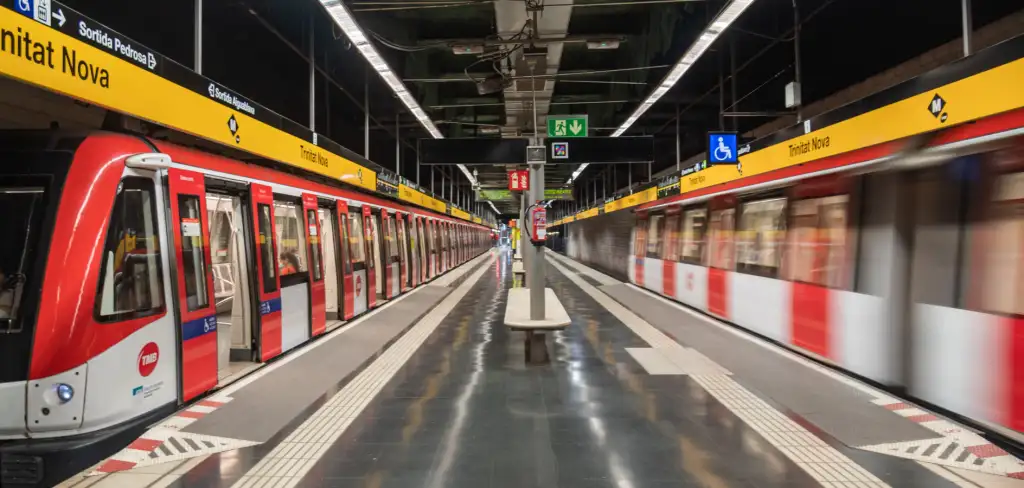
By metro: The Montjuïc funicular connects to metro Parallel on the green (L3) and purple (L2) lines, with its upper station located next to the Olympic diving pools. From there, a cable car (the Montjuïc Gondola) continues up to the castle. Meanwhile, MNAC, the Magic Fountain, Poble Espanyol, the gardens, and CaixaForum are all within easy walking distance of the Plaça Espanya metro stop, served by the red (L1) and green (L3) lines.

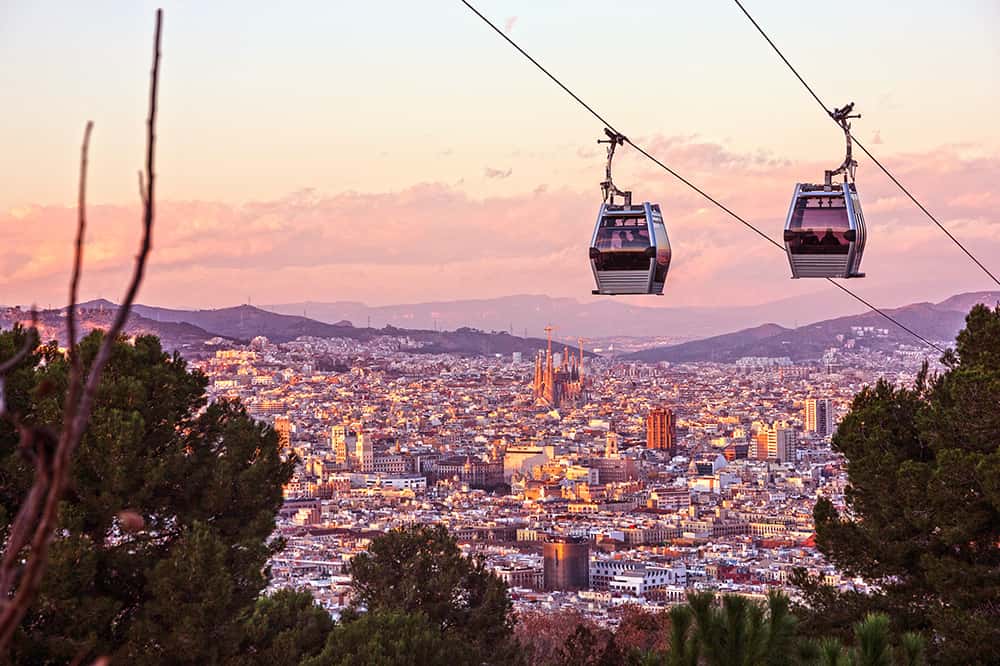
By cable car from the sea: For a scenic route, the red Miramar Mirador cable car links Montjuïc to Barceloneta, crossing directly over Barcelona’s port.

By bus: Bus 150, 55 & 15 loops through most of Montjuïc’s major attractions, making it a handy backup if you want to skip walking uphill between stops.

Budget roughly €10–15 for transport passes and cable car tickets combined, and check official transit apps before you go, since schedules can shift seasonally.

The Fascinating History of Montjuïc

Montjuïc has played a significant role in Barcelona’s development for centuries.

Ancient Times

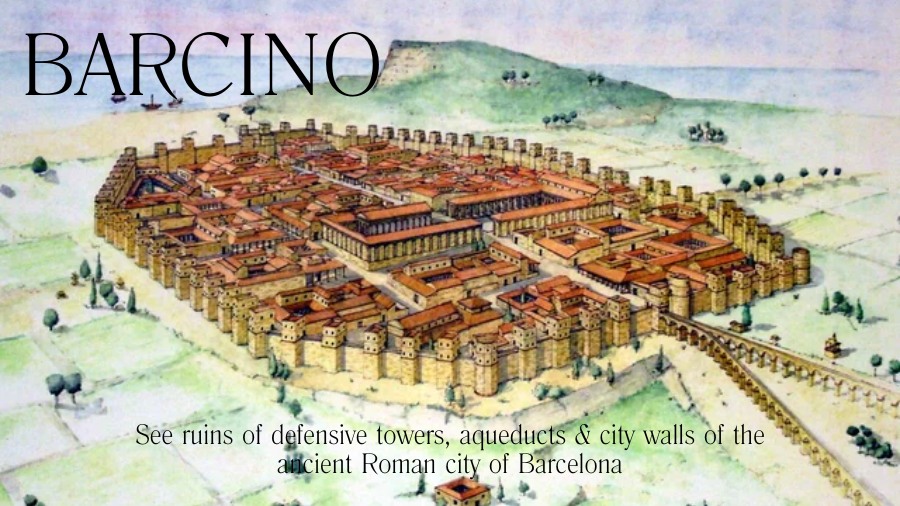
The hill was already inhabited during the Iberian period and later used by the Romans due to its commanding position overlooking the Mediterranean Sea.

Stone quarried from Montjuïc helped construct many of Barcelona’s oldest buildings, including parts of the Gothic Quarter.

Medieval Period

During the Middle Ages, Montjuïc became strategically valuable for defending the city against attacks from both land and sea.

The Jewish cemetery located on the hill gave rise to its present-day name.

The Construction of Montjuïc Castle

In the 17th century, military fortifications were built to defend Barcelona during the Reapers’ War.

The current Montjuïc Castle dates primarily from the 18th century and has witnessed:

  • Military conflicts
  • Political uprisings
  • Civil War imprisonments
  • Important moments in Catalan history

Today, it stands as both a historical monument and one of Barcelona’s best viewpoints.

Top Things to Do on Montjuïc

1. Montjuïc Castle (Castell de Montjuïc)

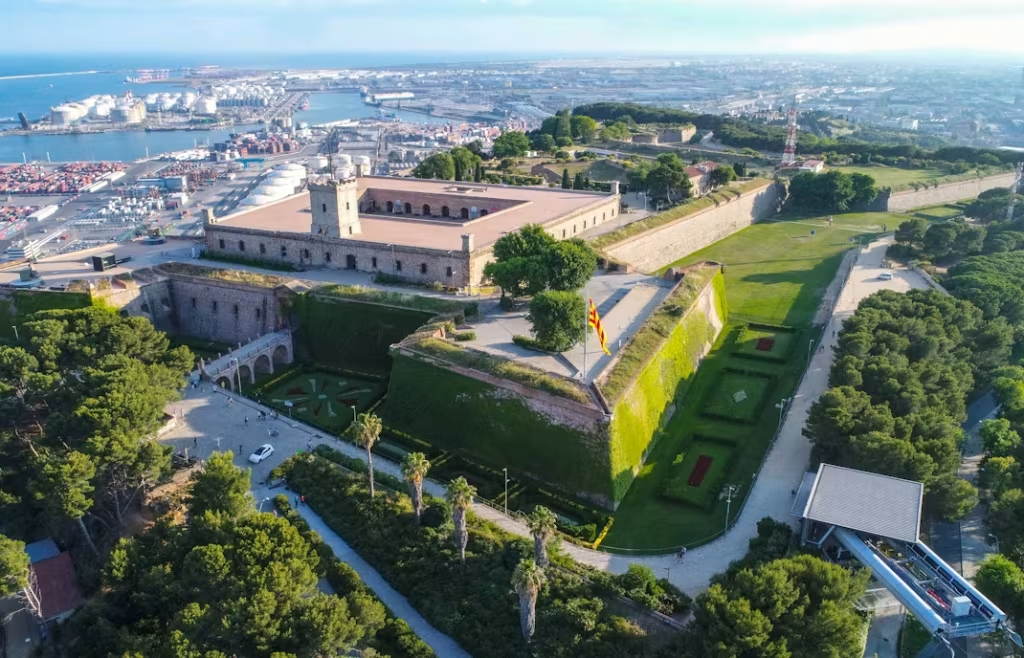
This 17th-century military fortress crowns the hill and now operates as an open-air museum, with thick stone walls and sweeping coastal views that make it worth visiting first. Riding the cable car up gives you panoramic shots of the port and skyline before you even reach the entrance. Inside, exhibits trace Barcelona’s military and political history, including the castle’s darker past as a prison and execution site during the Spanish Civil War and Franco era — worth keeping in mind, as the site carries real historical weight beyond the postcard views.

2. Plaça d’Espanya

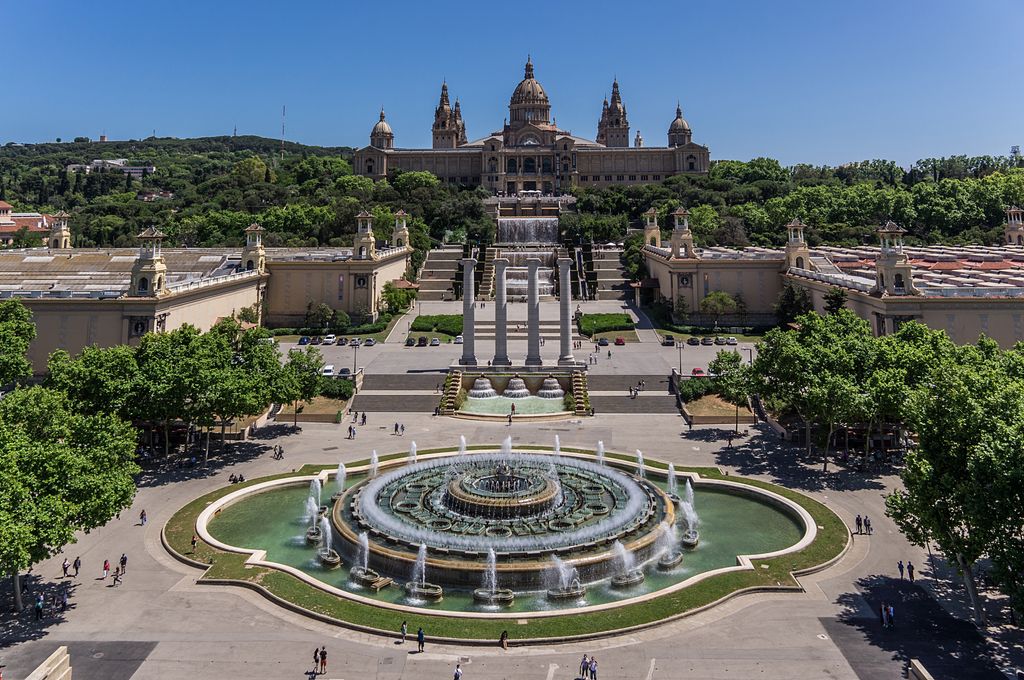
Plaça d'Espanya

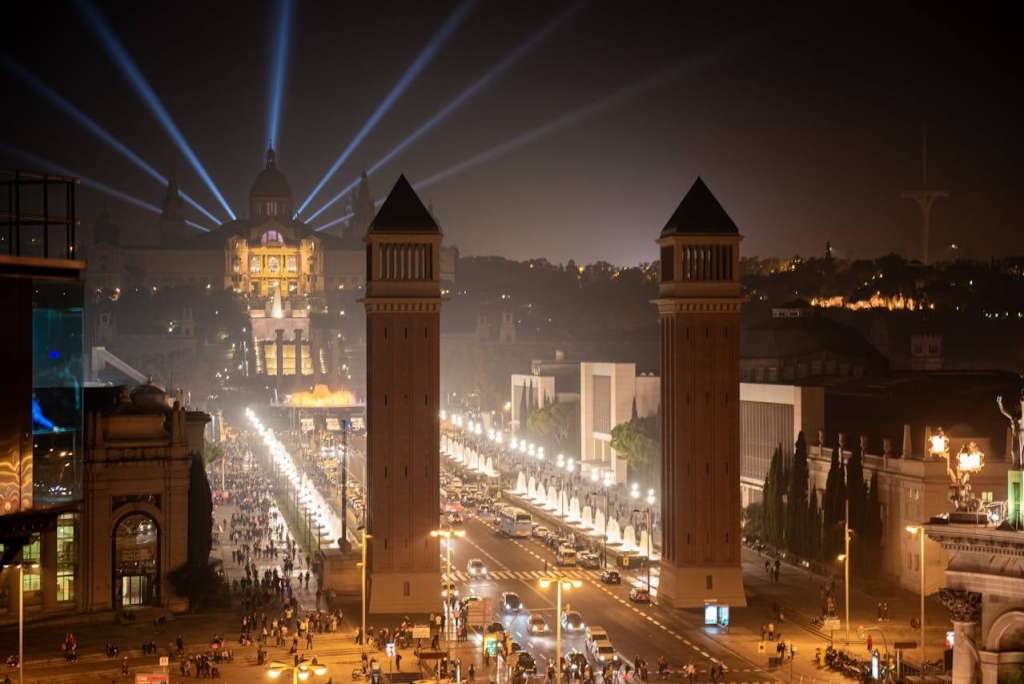
This grand square, built for the 1929 International Exposition, serves as the main gateway into Montjuïc’s cluster of attractions. It’s an ideal starting point for a day of exploring, with the iconic twin towers and fountain making for a memorable first impression.

3. The Magic Fountain (Font Màgica)

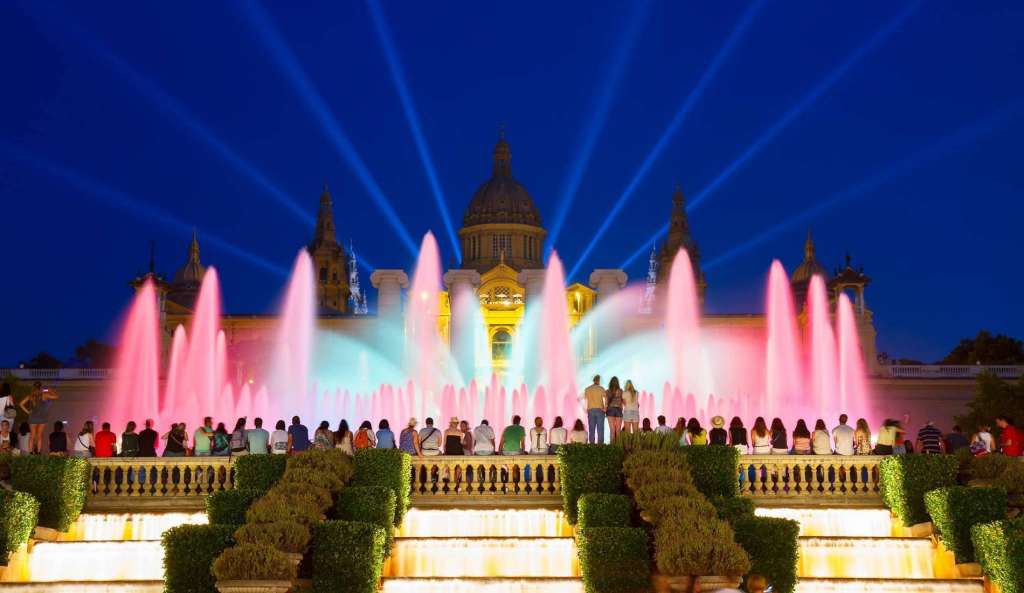
No visit is complete without the Magic Fountain, Montjuïc’s free evening light-and-water show set to music. It’s one of the most popular free attractions in the city, drawing large crowds who gather on the steps below the National Art Museum to watch synchronized jets of water dance under colored lights.

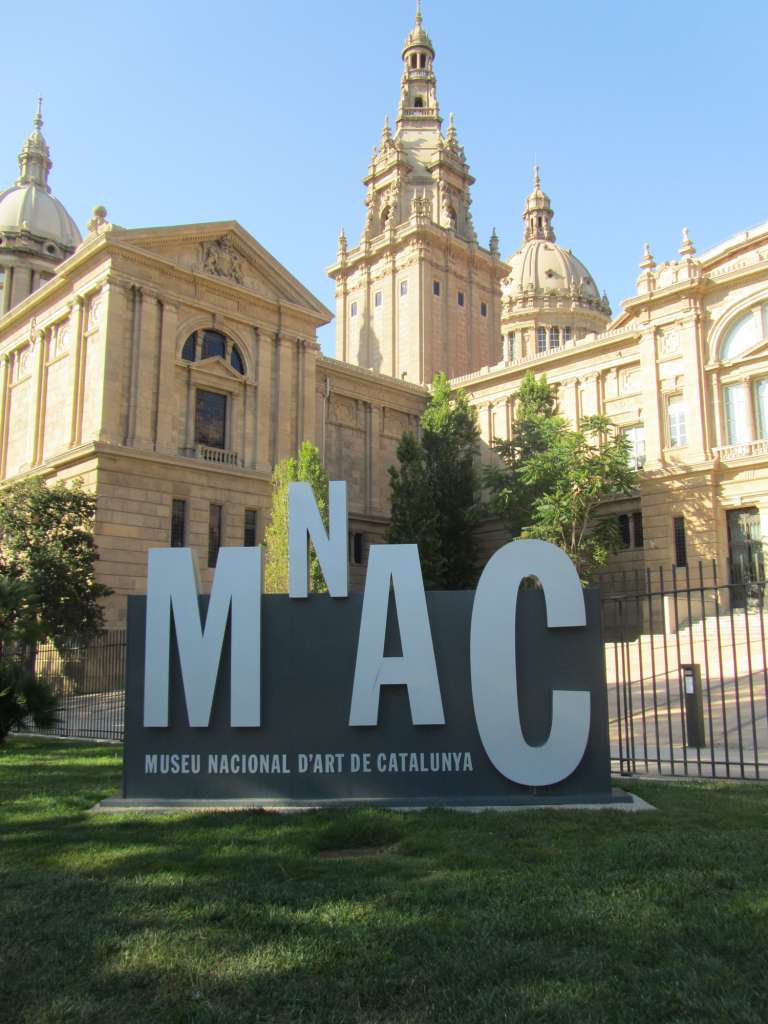
4. Museu Nacional d’Art de Catalunya (MNAC)

Housed in the monumental Palau Nacional overlooking Plaça d’Espanya, MNAC holds one of the world’s finest collections of Romanesque art alongside Catalan modernist and Gothic works. Even if you skip the galleries, the building’s terrace offers one of the best skyline views in the city.

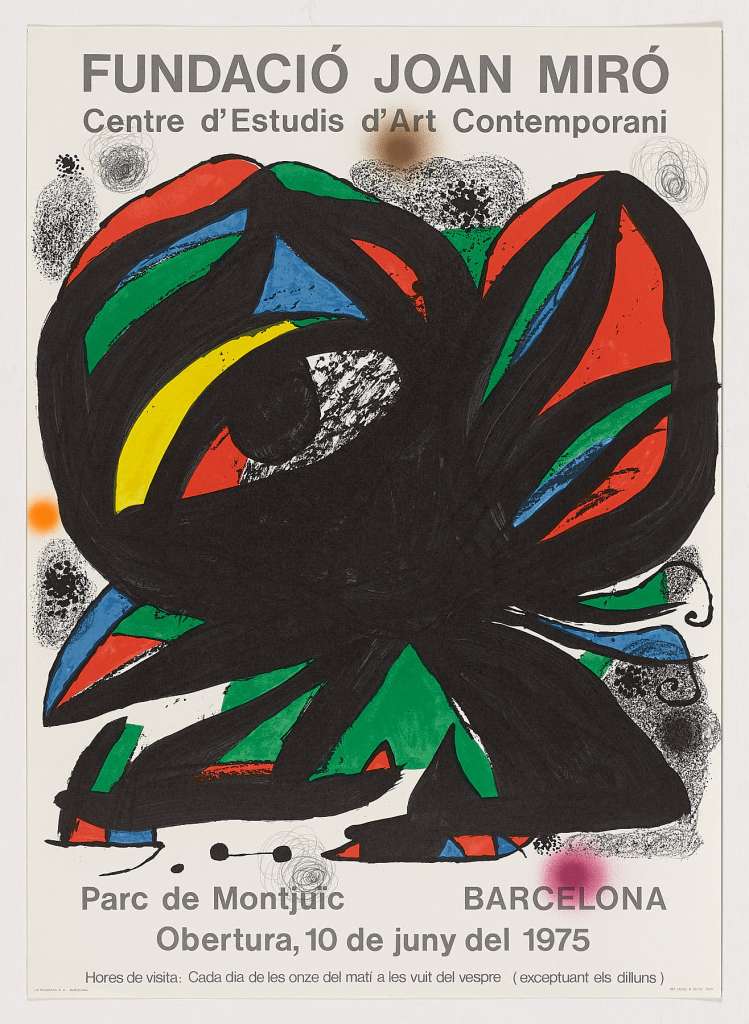
5. Fundació Joan Miró

The Joan Miró Foundation is considered an essential visit within Montjuïc’s park, dedicated to the Catalan surrealist painter and sculptor. The foundation sits in Barcelona because it’s where Miró was born and spent much of his life, giving the collection a personal, homegrown authenticity rare among museums of this caliber.

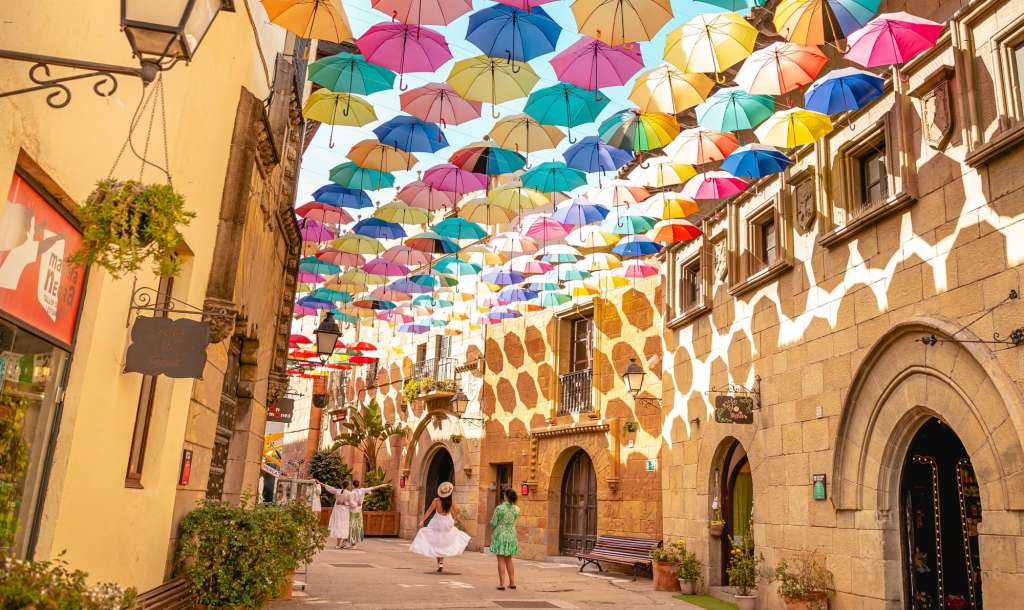
6. Poble Espanyol

This open-air architectural museum recreates streets, squares, and buildings from across Spain’s diverse regions in miniature form. It’s a favorite for travelers who want a “greatest hits” tour of Spanish architecture without leaving Barcelona, and it doubles as a lively spot for shopping, dining, and evening events.

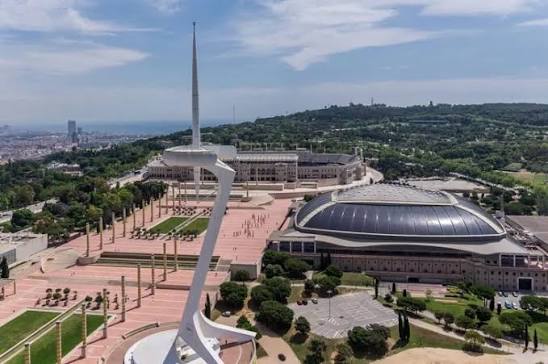
7. Olympic Stadium and Olympic and Sports Museum

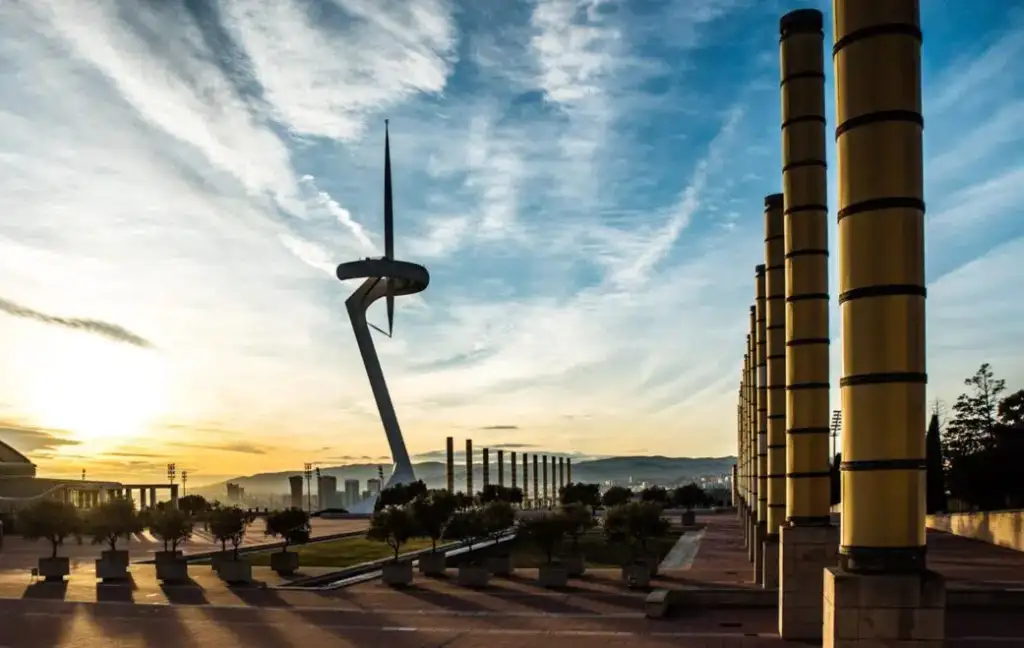
The Olympic Stadium, officially named Estadi Lluís Companys, sits at the heart of Montjuïc’s sporting legacy, alongside the nearby Olympic Museum, which documents the 1992 Games that transformed Barcelona’s global image.

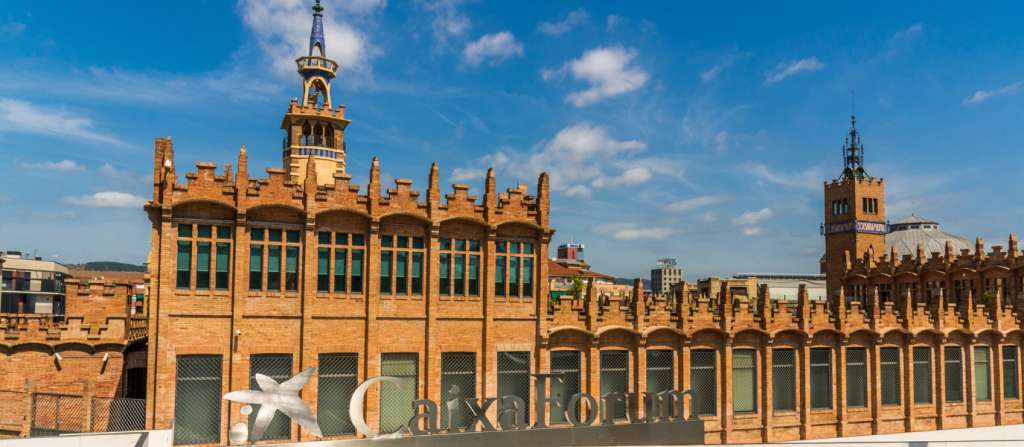
8. CaixaForum

CaixaForum functions as both an art gallery and exhibition center, hosting rotating temporary exhibitions inside a beautifully restored modernist textile factory building near Plaça d’Espanya.

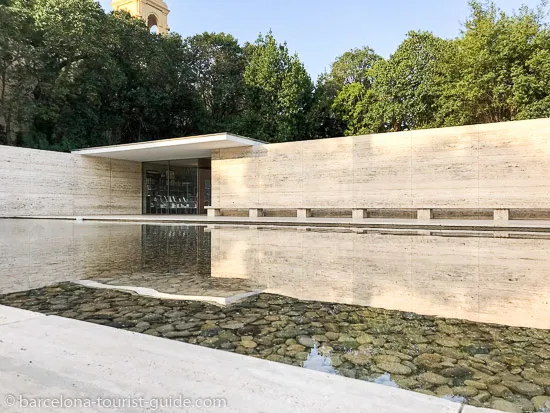
9. Mies van der Rohe Pavilion

Known simply as the German Pavilion, this is one of the defining works of architect Mies van der Rohe and a pilgrimage site for architecture enthusiasts. Originally built for the 1929 Exposition and later reconstructed, its minimalist glass, steel, and marble design remains hugely influential.

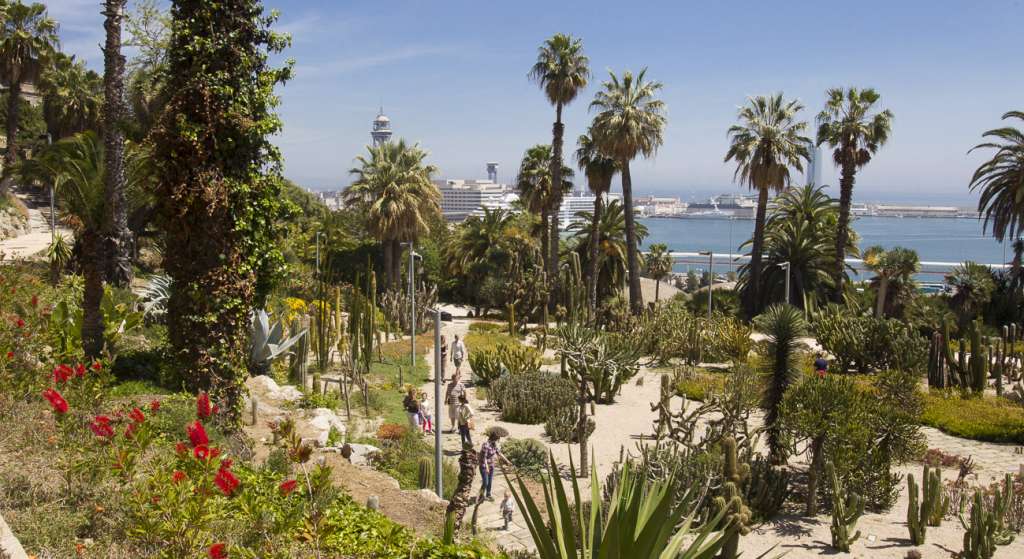
10. Montjuïc Botanical Garden


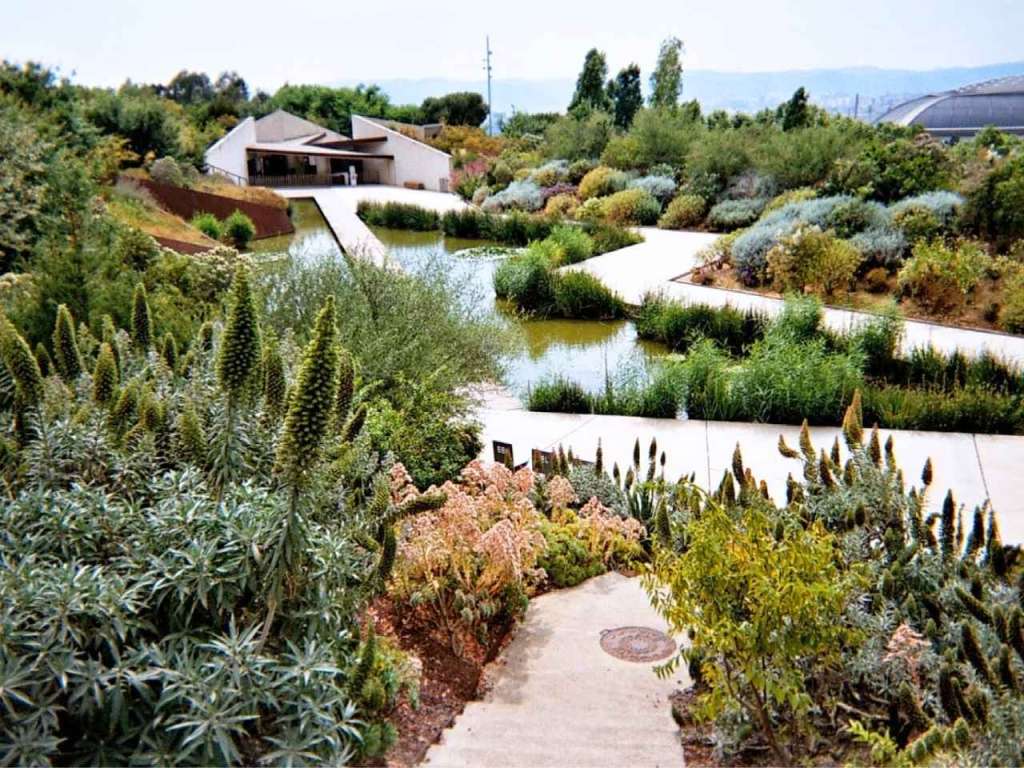
The Jardí Botànic showcases Barcelona’s botanical gardens, with a focus on Mediterranean-climate plant species from around the world. It’s one of the quieter corners of the hill and a great place to slow down after a busy museum-hopping morning. 

Montjuïc is often described as Barcelona’s green oasis. Some of the most beautiful gardens include:

Mossèn Costa i Llobera Gardens

Known for one of Europe’s largest collections of cacti and succulents.

Mossèn Cinto Verdaguer Gardens

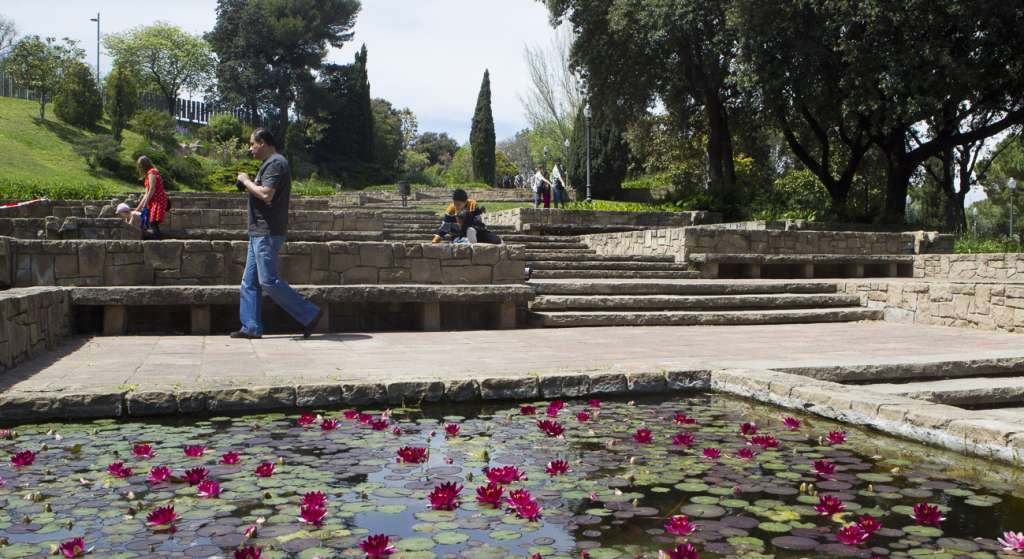
Filled with seasonal flowers, ponds, and peaceful walking paths.

Joan Brossa Gardens

Perfect for families, picnics, and outdoor recreation.

Botanical Garden

Home to Mediterranean plant species from around the world. Nature lovers can easily spend several relaxing hours exploring these green spaces.

11. Hidden Viewpoints and Local Bars

Beyond the headline attractions, Montjuïc rewards those willing to wander. La Caseta del Migdia is a bar tucked in a pine forest behind the castle, known for live music and a loyal following among locals. The Mirador del Migdia viewpoint is especially worth timing for sunset, offering some of the least crowded panoramas on the whole hill.

Prices, Hours, and Practical Tips

Admission across Montjuïc’s paid sites typically ranges from free — for the funicular included in a standard metro pass, and most gardens — up to roughly €5–€14 for the major museums and the castle. Most attractions, including the castle and museums, operate from around 10 a.m. to 6 p.m., while the fountains light up in the evening from about 9 p.m.

A realistic budget for a full day exploring the castle, MNAC, the Joan Miró Foundation, the Olympic sites, and the evening fountain show comes in at under €60 — remarkable value for a day that covers roughly seven centuries of history.

Plan on around six hours to comfortably cover the highlights without feeling rushed, and book tickets for MNAC and the Joan Miró Foundation online in advance to skip ticket lines, especially during peak season.

Best time to visit: Spring, from March to May, brings mild weather around 65°F (18°C) that’s ideal for hiking the hill’s paths while avoiding the heaviest summer crowds. Whatever season you choose, pack comfortable walking shoes — Montjuïc involves a fair amount of uphill walking between sites — and a refillable water bottle, since drinking fountains are available throughout the gardens.

Food and rest stops: Several casual kiosk-style bars are scattered across the hill, including one behind the castle in the pine forest, one facing MNAC near the fountains, and one in front of the Palau Sant Jordi arena, so you’re rarely far from a cold drink or a quick sandwich.

A Suggested One-Day Montjuïc Itinerary

  1. Morning: Start at Plaça d’Espanya, then walk up toward MNAC for the museum and terrace views.
  2. Late morning: Head to the Joan Miró Foundation, then continue toward Poble Espanyol.
  3. Midday: Take the funicular and cable car up to Montjuïc Castle for lunch views and history.
  4. Afternoon: Wander through the Botanical Garden or past the Olympic Stadium, depending on your interests.
  5. Evening: Make your way back down to catch the Magic Fountain’s illuminated show as the sun sets over the city.

Best Viewpoints in Montjuïc

Photography enthusiasts will love Montjuïc’s many viewpoints.

Popular viewing spots include:

  • Castle terraces
  • Mirador de l’Alcalde
  • Cable car stations
  • Olympic area
  • Palau Nacional steps

Sunset is particularly magical as the city lights begin to sparkle below.

Family-Friendly Activities

Montjuïc is one of Barcelona’s best destinations for families.

Children enjoy:

  • Cable car rides
  • Open parks
  • Interactive museums
  • Spacious gardens
  • Castle exploration

The wide pathways are stroller-friendly in many areas.

Best Time to Visit

Montjuïc is enjoyable throughout the year.

Spring

Spring offers blooming flowers, comfortable temperatures, and vibrant gardens.

Summer

Summer brings long daylight hours but can be quite warm.

Autumn

Pleasant weather and fewer crowds make autumn an excellent time to visit.

Winter

Winter is mild compared to much of Europe, making sightseeing comfortable.

Morning visits generally provide cooler temperatures and fewer visitors.

Is Montjuïc Worth Visiting?

Absolutely!

Many travelers consider Montjuïc one of Barcelona’s most rewarding destinations because it combines:

  • Rich history
  • Stunning architecture
  • Beautiful parks
  • Outstanding museums
  • Family activities
  • Olympic heritage
  • Incredible viewpoints

Unlike some of Barcelona’s busier attractions, Montjuïc provides room to breathe while still delivering unforgettable experiences.

Whether you’re spending your first day in Barcelona or returning for another visit, Montjuïc consistently offers something new to discover.

Pro-tip: Take the bus from Plaça d’Espanya there several 150, 55 and the 13 it will take you to top of Montjuïc Castle visit the castle and then walk down through the park much easier. Walk smart, not hard 🙂 


Final Thoughts

Montjuïc is far more than a hill overlooking Barcelona—it’s a destination where history, art, architecture, nature, and spectacular scenery come together. From the centuries-old Montjuïc Castle and the panoramic Cable Car to the tranquil botanical gardens, Olympic landmarks, and world-class museums, every corner of this remarkable district tells a unique story.

Whether you’re planning your first trip to Barcelona or returning to uncover new experiences, Montjuïc offers a refreshing escape from the city’s busiest streets. Its blend of cultural treasures, peaceful green spaces, and unforgettable viewpoints makes it one of the most rewarding places to visit in Catalonia.

Add Montjuïc to your Barcelona itinerary, take your time exploring its many attractions, and you’ll discover why this iconic hill continues to captivate travelers from around the world.

eye_on_food_tours

Short on time in Barcelona? Let our expert local guides show you the absolute best of our city’s incredible food and history. [Check our tour availability here] to make the most of your visit!

Adrian

Charles Liondae is a passionate advocate for Spanish culture, history, and, above all, its vibrant culinary traditions. As a Freelance Food writer for Eye On Food Tours, he has dedicated himself to sharing the rich tapestry of flavors and stories that make Spanish cuisine truly exceptional.

Share:

Facebook
Twitter
Pinterest
LinkedIn

Leave a comment

Social Media

Most Popular

Not Ready Yet ?

Keep Us In Mind by subscribing to our Newsletter.

Subscription Form
We promise not to share your email or data to anyone
MORE READING

Related Posts

This website uses cookies to ensure you get the best experience on our website.