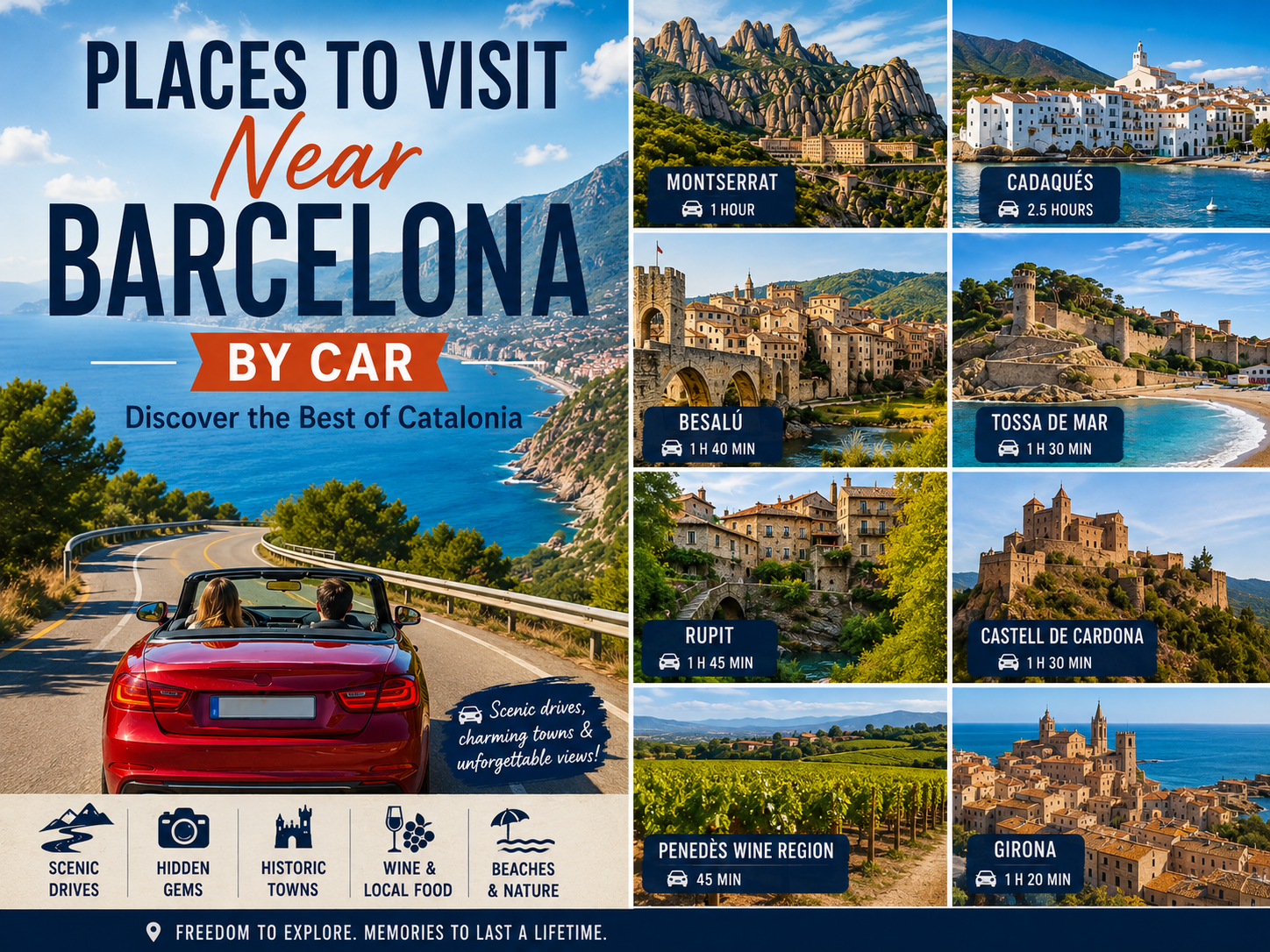


Barcelona deserves every bit of its worldwide reputation. Its incredible architecture, world-famous food, Mediterranean beaches, and vibrant neighborhoods make it one of Europe’s most exciting cities. But here’s something many visitors never discover…
Some of Catalonia’s greatest treasures lie just beyond the city limits.
Renting a car opens up an entirely different side of northeastern Spain—one filled with dramatic coastlines, medieval villages, mountain monasteries, vineyards, volcanic landscapes, and charming seaside towns that are difficult to reach using public transportation alone.
Whether you have one day, a long weekend, or an entire week, these are the best places to visit near Barcelona by car.
Although Barcelona has an excellent public transportation system, many of Catalonia’s most beautiful locations are connected only by regional buses or require multiple train transfers.
A car gives you:
If you’re comfortable driving in Europe, it’s one of the best ways to experience authentic Catalonia.
Adding a “Recommended Car Rental Companies” section is a great idea for both user experience and affiliate marketing. Here are three of the most reliable and widely available companies in Spain that your readers are likely to recognize and trust.
One of Europe’s largest and most established car rental companies, Europcar has convenient pick-up locations throughout Barcelona, including Barcelona-El Prat Airport, Barcelona Sants railway station, and several city-center offices. They offer everything from compact city cars to SUVs and larger family vehicles, making them a great choice whether you’re planning a quick day trip to Montserrat or a week-long road trip around Catalonia.
Why choose Europcar?
Best for: Families, couples, and longer road trips.
If you’re looking for a newer vehicle or a more premium driving experience, Sixt is an excellent option. Their fleet often includes luxury brands such as BMW, Mercedes-Benz, Audi, and Volvo, alongside affordable economy cars. The booking process is simple, and their Barcelona airport location is particularly popular with international travelers.
Sixt is ideal if you plan to explore destinations like Cadaqués, the Costa Brava, or the Pyrenees in comfort.
Why choose Sixt?
Best for: Couples, business travelers, and scenic road trips.
Founded in Spain, Centauro is often one of the best-value rental companies for travelers visiting the Costa Brava and Catalonia. They typically offer competitive prices, especially when booked in advance, and provide shuttle services from Barcelona-El Prat Airport to their nearby rental office.
Centauro is particularly popular among budget-conscious travelers looking for affordable rates without sacrificing convenience.
Why choose Centauro?
Best for: Budget travelers, families, and extended holidays.
To make your Catalonia road trip as smooth as possible, keep these tips in mind:
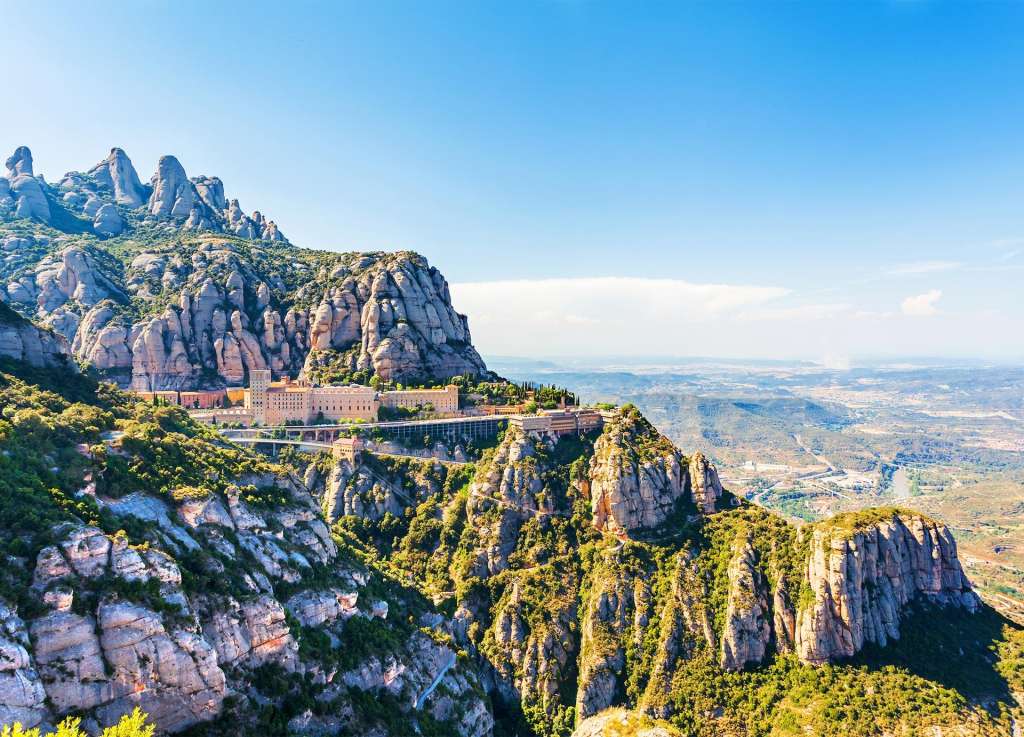
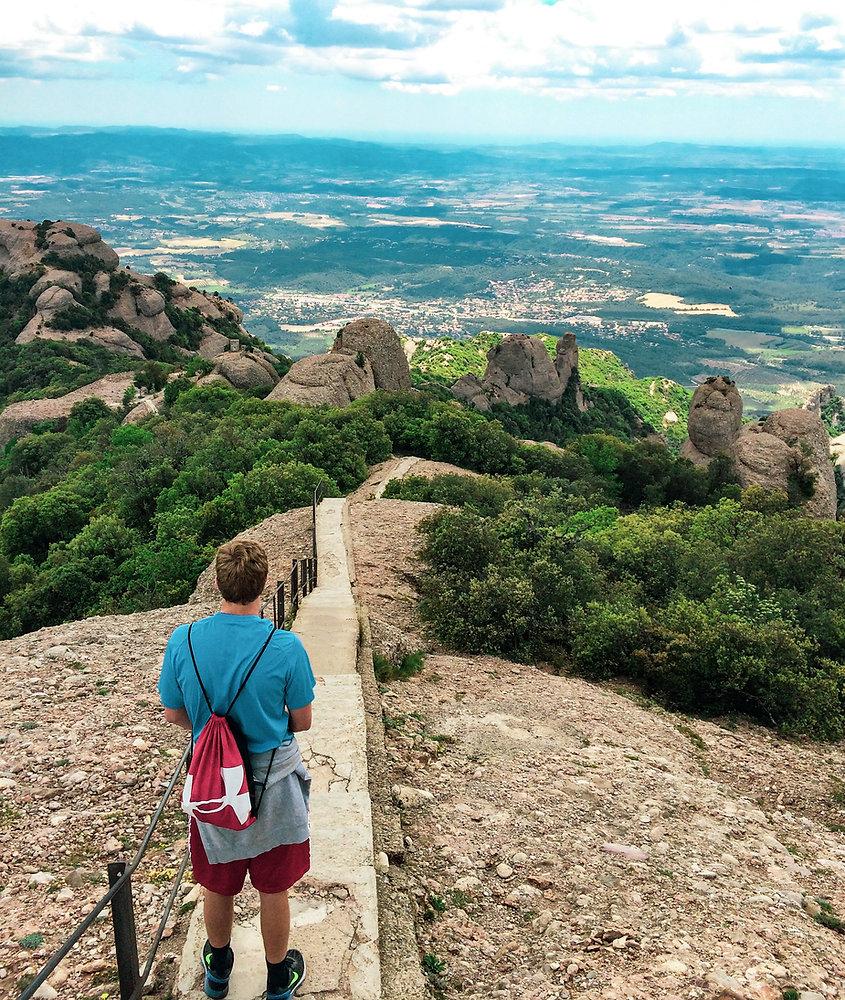
Towering more than 1,200 meters (4,000 feet) above the Catalan countryside, Montserrat is one of the most iconic destinations in all of Spain. Its unique jagged peaks have earned it the nickname “the Serrated Mountain,” and the drive there is almost as memorable as the destination itself, with winding roads revealing breathtaking views at every turn.
The main attraction is the Benedictine monastery, founded in the 11th century and home to the revered Black Madonna (La Moreneta), the patron saint of Catalonia. Pilgrims from around the world visit the monastery, while travelers come to admire the architecture, history, and incredible scenery.
If you’re feeling adventurous, take the Sant Joan Funicular to access several hiking trails that lead to panoramic viewpoints overlooking the surrounding valleys. You can also browse local market stalls selling artisan cheeses, mountain honey, fig cakes, and herbal liqueurs made by nearby producers.
Don’t miss:
Recommended time: Half-day to full-day. Driving time:1 hour
Few day trips from Barcelona can match Montserrat — soaring rock formations, a legendary monastery and some of Catalonia’s finest wine country right on its doorstep. Get the full picture in our complete Montserrat & Penedès Wine Tour guide.
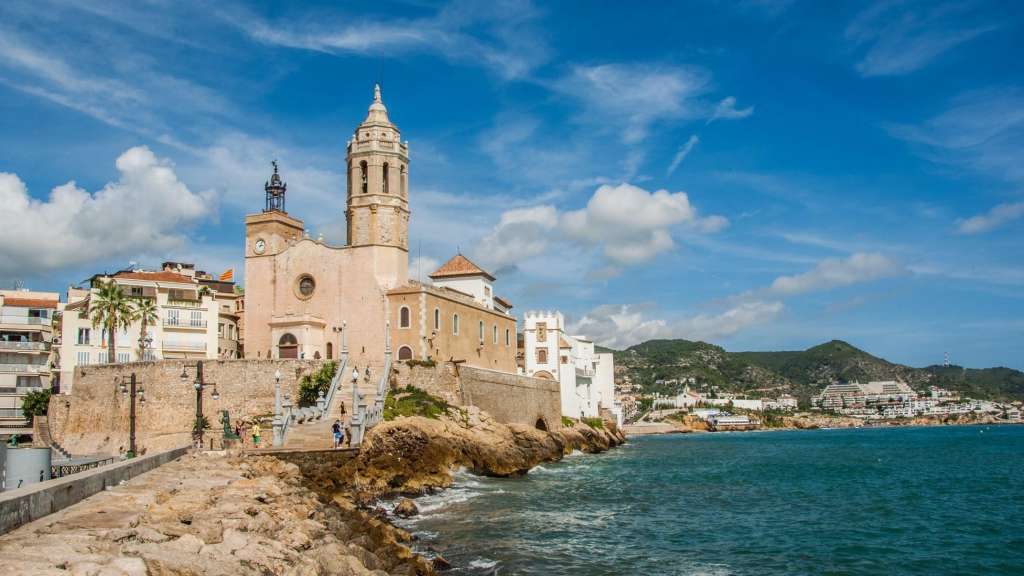
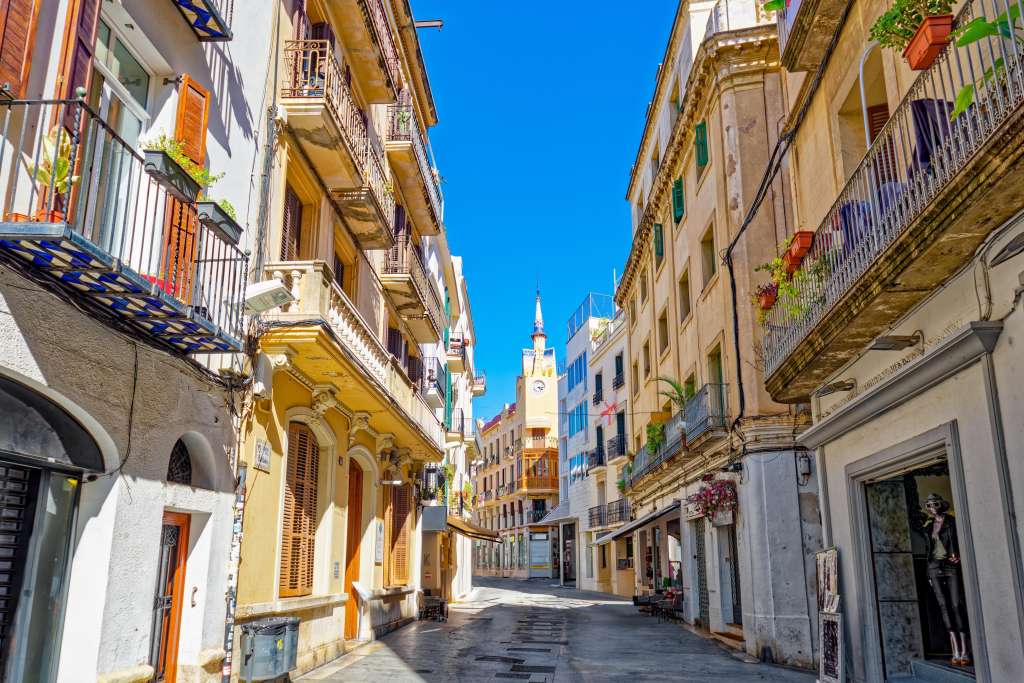
Often called Barcelona’s favorite beach escape, Sitges perfectly blends Mediterranean relaxation with culture, gastronomy, and nightlife. Once a quiet fishing village, it has transformed into one of Catalonia’s most charming coastal towns while maintaining its authentic atmosphere.
Its palm-lined promenade stretches for several kilometers, connecting more than 15 beaches, each with its own personality. Whether you’re looking for family-friendly sands, secluded coves, or lively beach bars, Sitges has something for everyone.
The old town is equally captivating, with narrow streets lined with whitewashed buildings, boutique shops, galleries, and cafés. Food lovers will find everything from fresh seafood restaurants overlooking the sea to traditional Catalan tapas bars tucked away in quiet squares.
Sitges is also famous for its annual Carnival, one of Europe’s largest, and the Sitges International Fantastic Film Festival held every October.
Best for:
Allow at least a full day to enjoy both the beaches and historic center. Driving time:
45 minutes
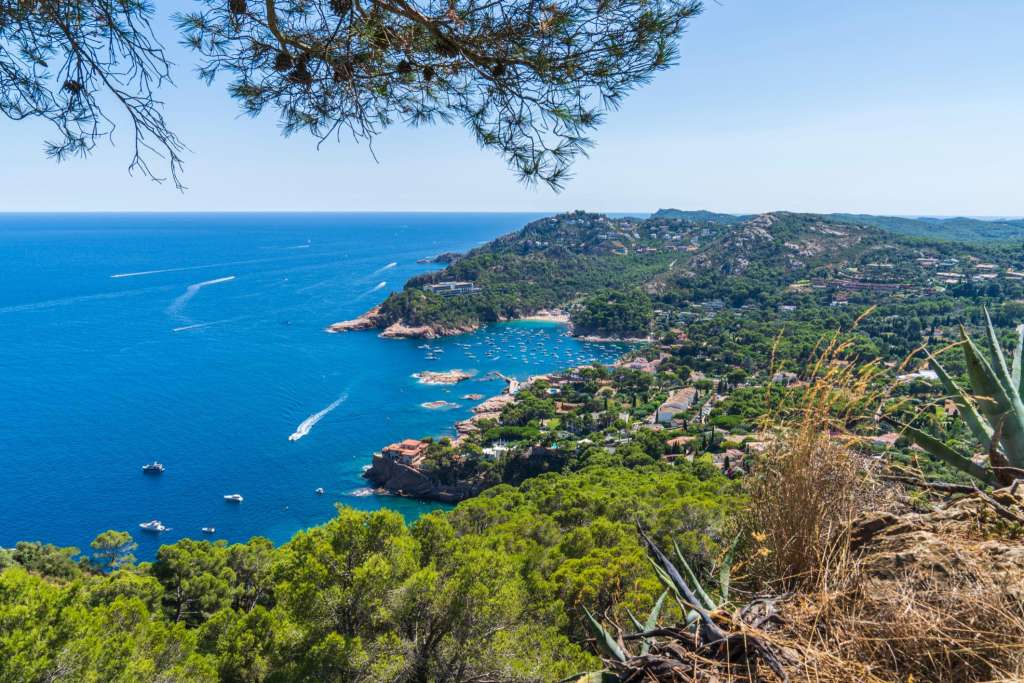
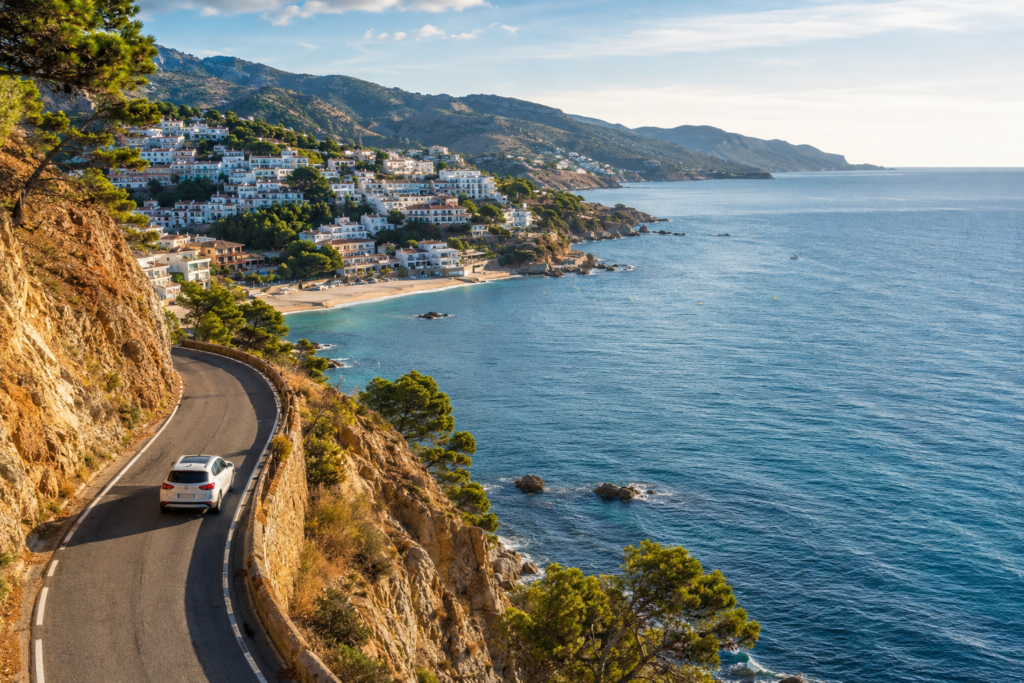
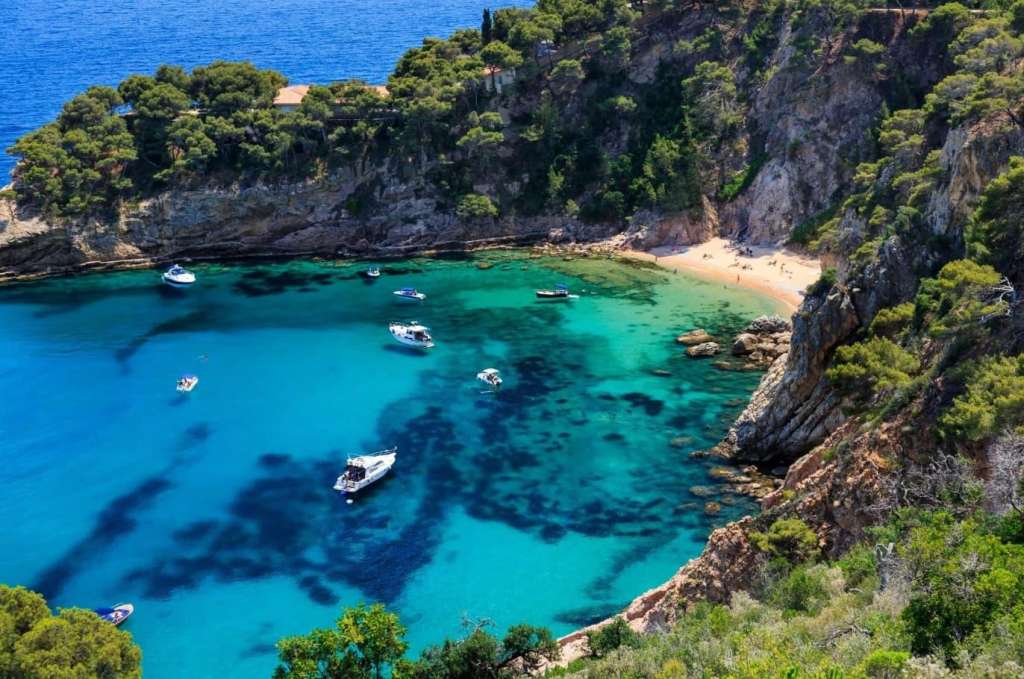
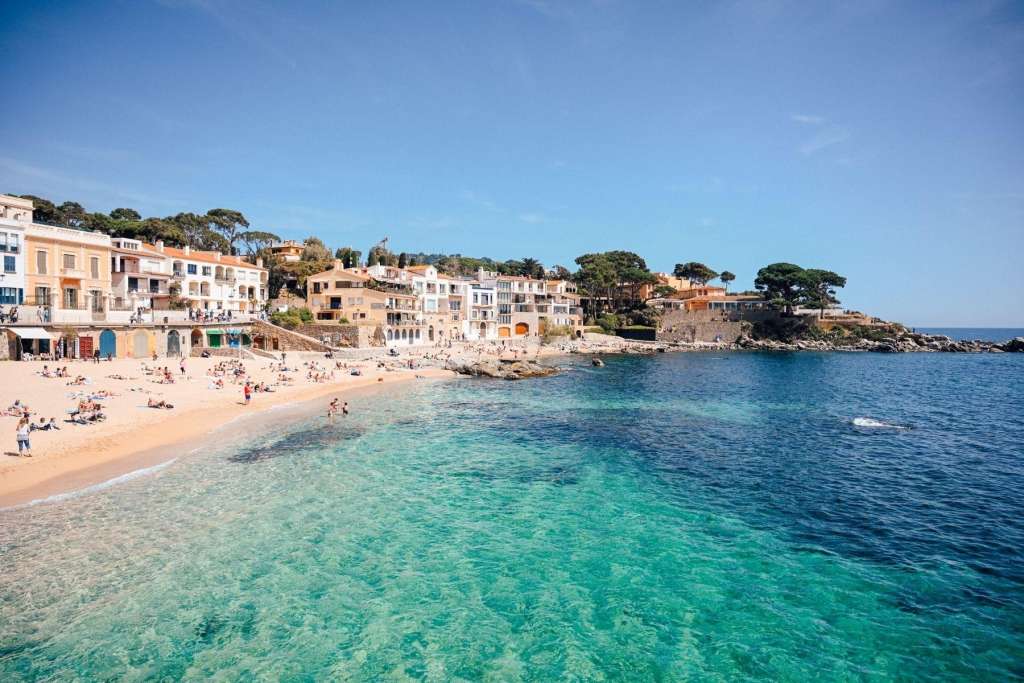
The Costa Brava is one of Spain’s most spectacular coastlines, stretching more than 200 kilometers from Blanes to the French border. Known for its dramatic cliffs, crystal-clear coves, pine forests, and charming fishing villages, it’s a dream destination for travelers who enjoy both relaxation and adventure.
Driving along the coastal roads allows you to stop whenever you discover another hidden beach or scenic overlook. Some of the most picturesque villages include Begur, Calella de Palafrugell, Tamariu, Llafranc, and Aiguablava, each offering its own blend of sandy beaches, waterfront restaurants, and postcard-worthy views.
Outdoor enthusiasts can hike sections of the Camí de Ronda, a historic coastal path that links many of these villages while providing stunning views over the Mediterranean Sea.
Seafood lovers will appreciate the abundance of fresh catches, including grilled octopus, prawns, sea bass, and traditional Catalan rice dishes served at beachfront restaurants.
If you have the time, spending one or two nights along the Costa Brava is highly recommended. If you’re searching for the most beautiful coastline in Catalonia, head north.
The Costa Brava stretches for over 200 km and offers countless hidden coves and charming fishing villages.
Don’t miss:
These beaches are difficult to reach without a car.
Driving time:
1 hour 30 minutes
Looking for the ultimate sun & sand getaway? Check out our detailed guide to the 15 Best Beaches Within 2 Hours of Barcelona to discover hidden coves, golden sands, and scenic coastal spots.
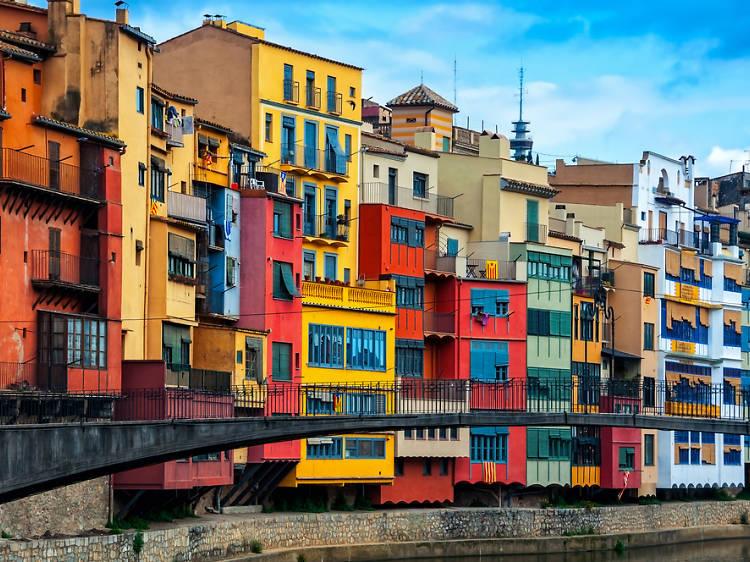
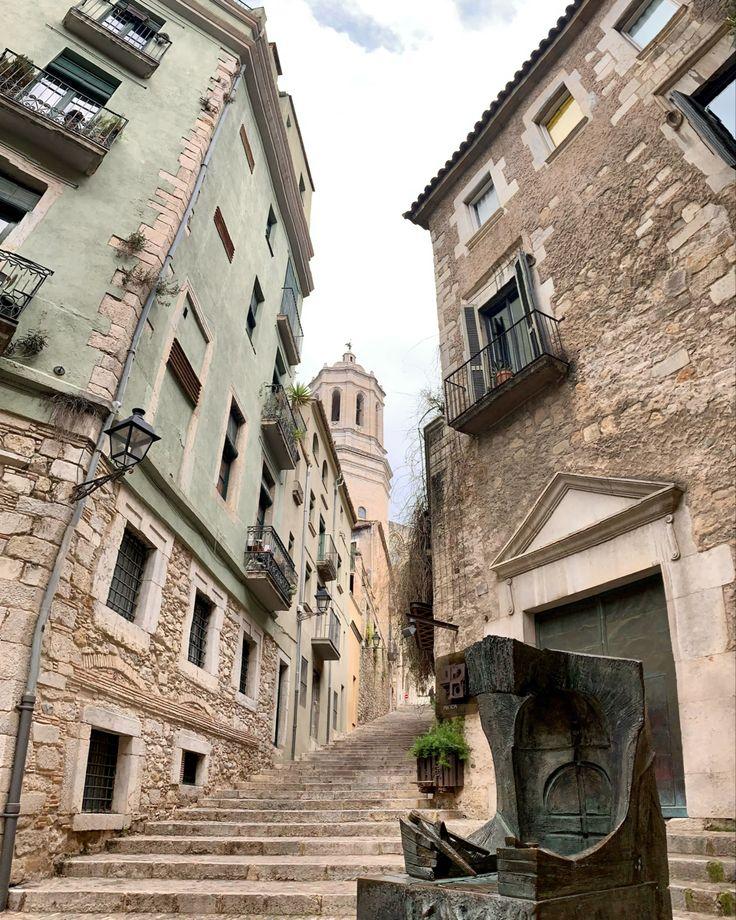
Girona is one of Catalonia’s most beautiful and historically rich cities. Often overshadowed by Barcelona, it rewards visitors with a wonderfully preserved medieval center, colorful riverside houses, and centuries of fascinating history.
One of the city’s highlights is the Jewish Quarter (El Call), considered one of the best-preserved in Europe. Its narrow cobbled streets create an unforgettable atmosphere that transports visitors back to medieval times.
Walk along the ancient city walls for sweeping views over Girona’s rooftops before crossing the colorful Eiffel Bridge spanning the Onyar River. Fans of television may recognize several filming locations from Game of Thrones, including the city’s impressive cathedral.
Girona is also renowned for its exceptional gastronomy, with excellent local restaurants ranging from traditional Catalan cuisine to innovative fine dining.
Plan to spend an entire day exploring its streets, museums, and cafés. I think Girona is one of Spain’s best-preserved medieval cities.
Walk along the ancient walls, cross colorful bridges, and lose yourself in winding alleyways.
Top attractions:
Driving time:
1 hour 20 minutes
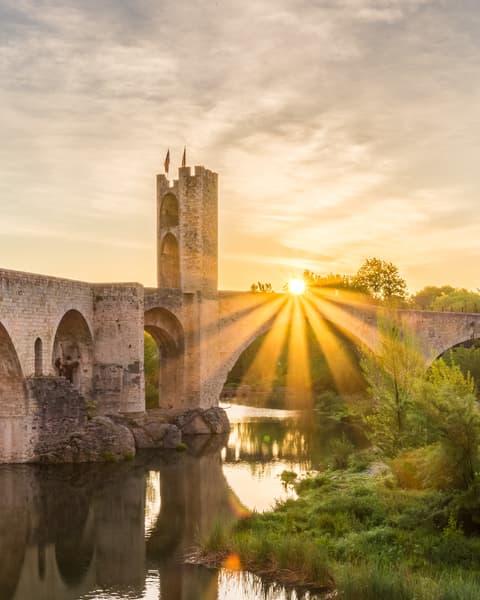
If you’ve ever wanted to step inside a medieval fairy tale, Besalú is the place to do it. This beautifully preserved town is one of Catalonia’s most iconic historic villages and is instantly recognizable thanks to its impressive 12th-century Romanesque bridge crossing the Fluvià River.
Crossing the bridge feels like entering another era. Inside the town you’ll find cobblestone streets, stone houses, quiet plazas, artisan workshops, and remnants of one of Spain’s most important medieval Jewish communities, including a rare surviving mikveh (ritual bath).
Besalú is wonderfully compact, making it easy to explore on foot in just a few hours, although many visitors happily spend an entire afternoon wandering its charming streets.
Local cafés serve traditional Catalan pastries, cured meats, and regional wines, making it an excellent stop for lunch during a road trip through inland Catalonia. Besalú feels like an open-air museum.
Must-see:
Driving time:
1 hour 40 minutes
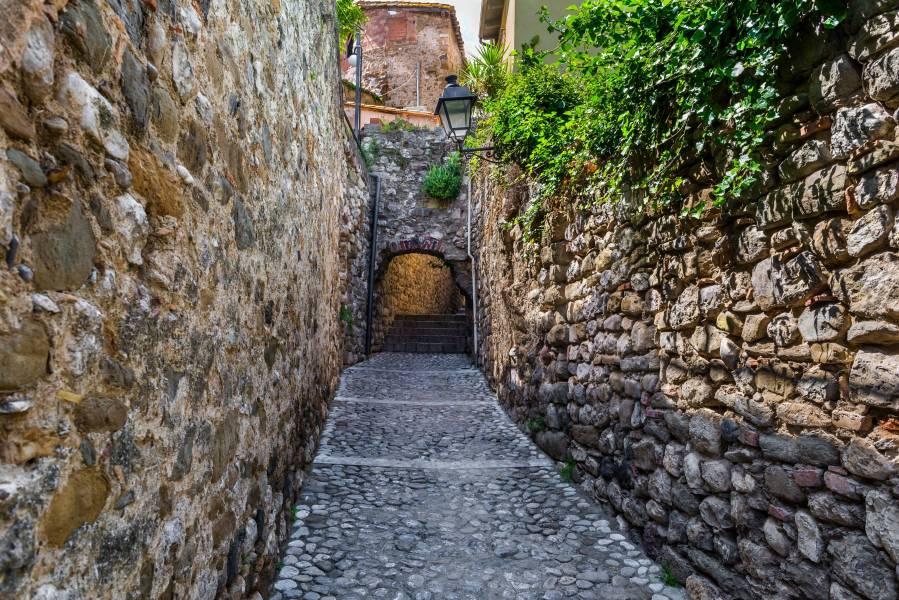
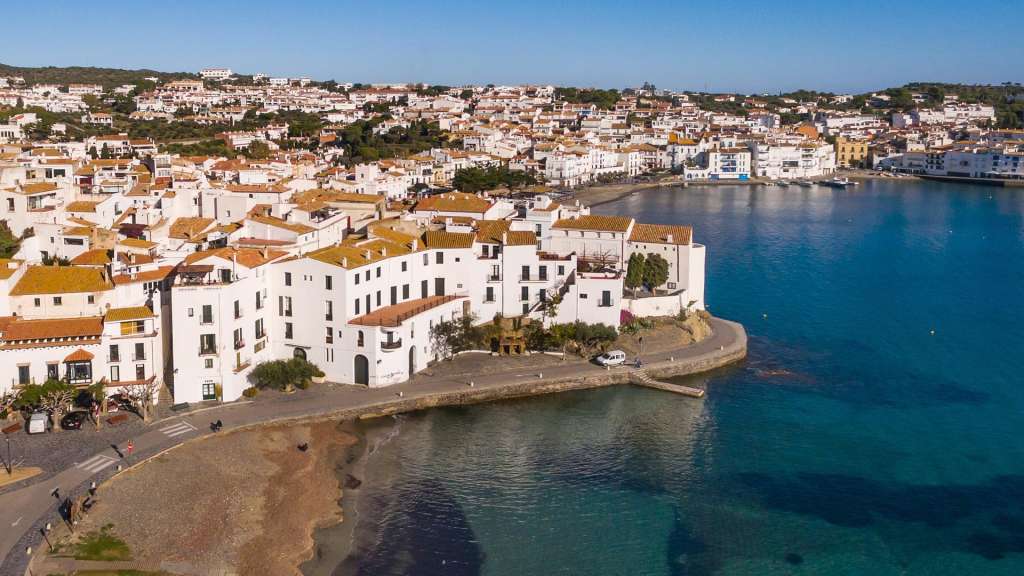
Few places in Catalonia are as photogenic as Cadaqués. Nestled in a protected bay near the Cap de Creus Natural Park, this whitewashed fishing village has long attracted artists, writers, and photographers from around the world.
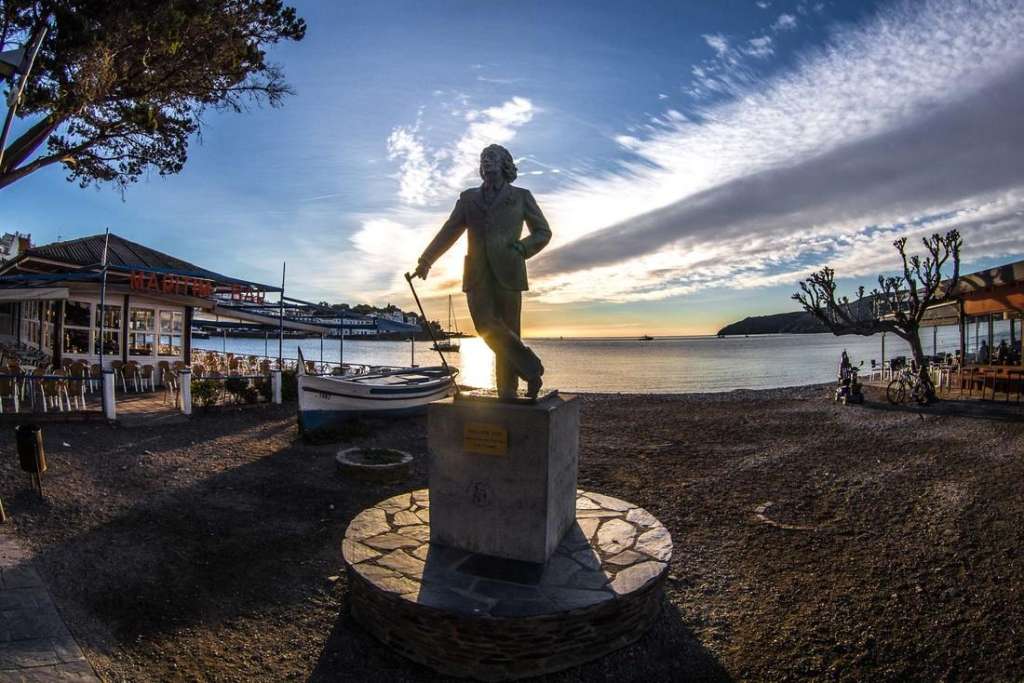
The winding streets, blue shutters, flower-filled balconies, and peaceful harbor create a timeless Mediterranean atmosphere. It’s no surprise that Salvador Dalí fell in love with the area, living for decades in nearby Portlligat, where his former home has been preserved as a museum.
Spend your day wandering through the village, browsing art galleries, swimming in the clear waters, or enjoying freshly caught seafood overlooking the marina.
The scenic drive itself is unforgettable, winding through mountains before revealing spectacular views of the Mediterranean below.
Many visitors consider Cadaqués one of the highlights of their entire trip to Catalonia. Perhaps the prettiest village in Catalonia.
Its white houses inspired Salvador Dalí for decades.
Spend your day:
Driving time:
2 hours 30 minutes
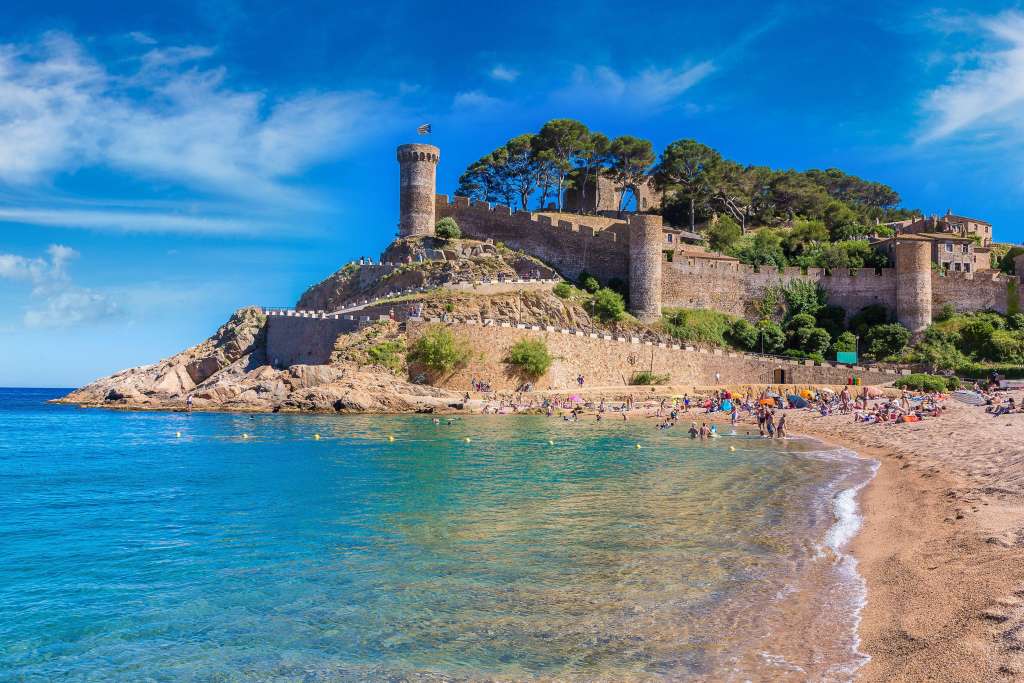
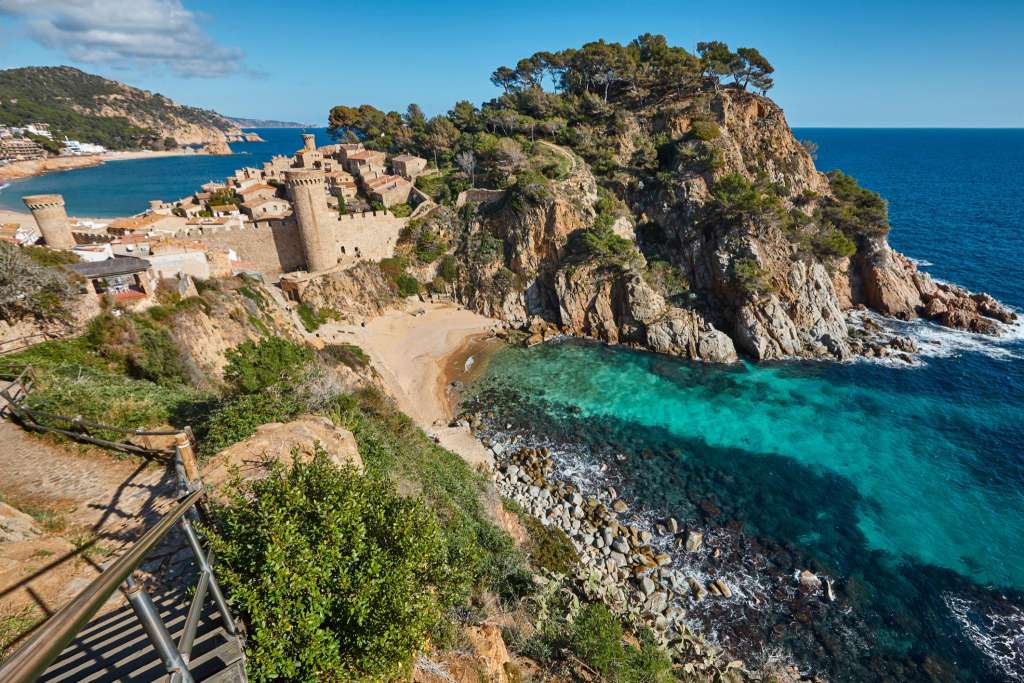
If you’re looking for a destination that combines medieval history with beautiful Mediterranean beaches, Tossa de Mar is hard to beat. Located on the southern end of the Costa Brava, this charming seaside town is famous for its well-preserved fortified old town, Vila Vella, the only remaining medieval walled town on the Catalan coast.
Dating back to the 12th century, the stone walls and defensive towers were built to protect the town from pirates who once roamed the Mediterranean. Today, visitors can stroll along the ancient ramparts while enjoying spectacular views over turquoise waters, hidden coves, and the rugged Costa Brava coastline.
Inside the walls, you’ll discover a maze of cobbled streets lined with stone houses, boutique shops, art galleries, and traditional Catalan restaurants. The peaceful atmosphere makes it one of the most picturesque towns in the region, especially in the early morning or late afternoon when many day-trippers have left.
Beach lovers will enjoy Platja Gran, the town’s main beach, which sits directly below the castle walls. Just a short walk away are smaller, quieter coves like Cala Codolar and Cala Bona, perfect for swimming or snorkeling in crystal-clear waters.
Food is another highlight of Tossa de Mar. Many local restaurants specialize in freshly caught seafood and traditional Catalan dishes. Be sure to try Cim i Tomba, a hearty fish stew created by local fishermen using fresh fish, potatoes, garlic, olive oil, and saffron. It’s considered Tossa’s signature dish and offers a true taste of the town’s maritime heritage.
Top things to do:
Perfect for: Couples, photographers, history lovers, beachgoers, and families.
Driving time:
1 hour 30 minutes
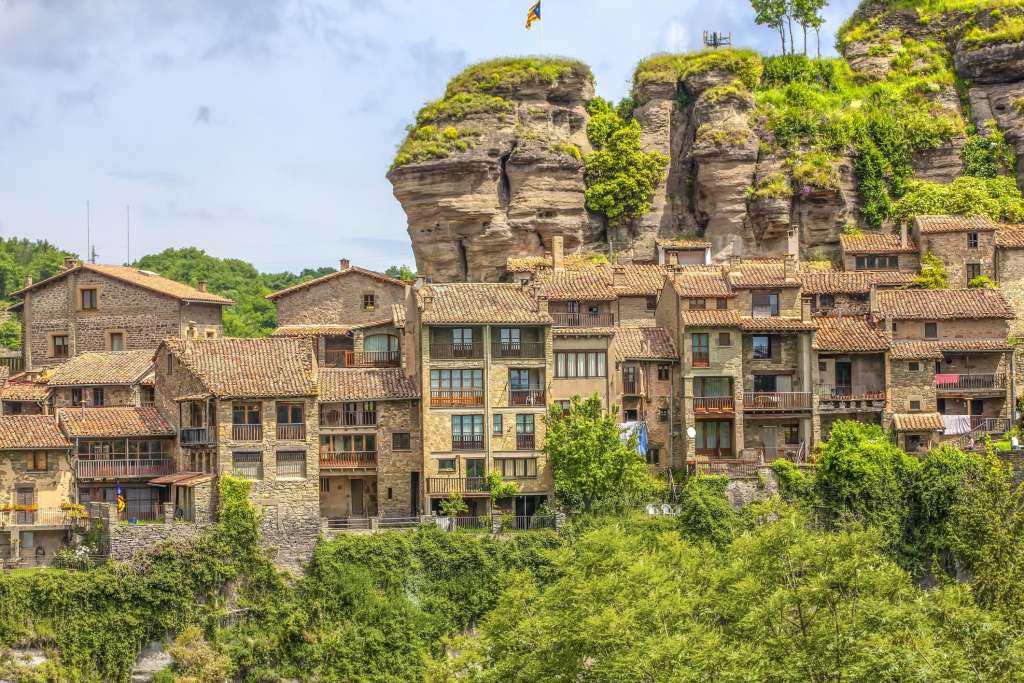
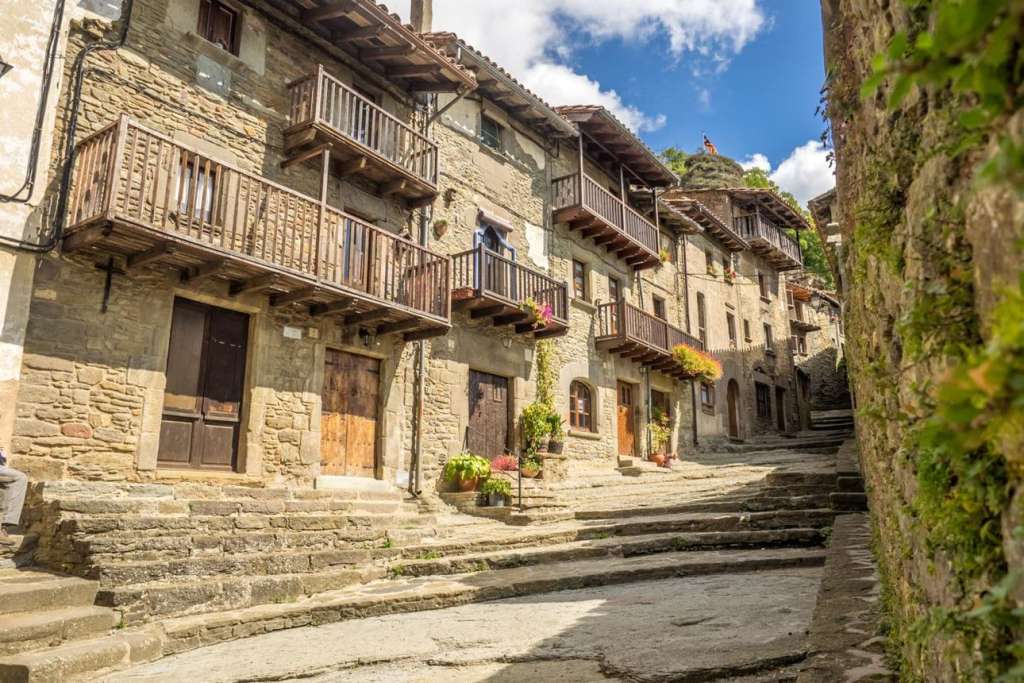
Hidden among the forests and cliffs of the Collsacabra region, Rupit feels like stepping into another century. Often overlooked by international visitors, this tiny mountain village is considered one of the most beautiful medieval towns in Catalonia and offers a peaceful escape from the busy beaches and cities.
The village is known for its remarkably preserved stone houses, flower-filled balconies, and winding cobbled streets that have changed very little over the centuries. One of Rupit’s most recognizable landmarks is its charming wooden suspension bridge, which gently sways as you cross into the historic center—a memorable way to begin your visit.
At the heart of the village is the Church of Sant Miquel, dating back to the 17th century, while the surrounding streets are filled with artisan shops selling handmade ceramics, local cheeses, honey, and traditional Catalan products.
Nature lovers will find plenty to explore beyond the village itself. One of the most popular walks leads to Salt de Sallent, Catalonia’s highest waterfall, with a drop of more than 100 meters (328 feet). The trail passes through forests, farmland, and dramatic cliff-top viewpoints, making it one of the region’s most rewarding hikes.
Rupit is also an excellent place to enjoy authentic mountain cuisine. Local restaurants serve hearty dishes such as grilled lamb, wild mushrooms (when in season), sausages, rustic stews, and locally produced cheeses, often accompanied by regional wines.
Because of its relaxed pace and scenic setting, Rupit is especially popular during autumn, when the surrounding forests turn shades of gold, orange, and red.
Top things to do:
Perfect for: Nature lovers, hikers, photographers, couples, and anyone looking to experience authentic rural Catalonia.
Driving time:
1 hour 45 minutes
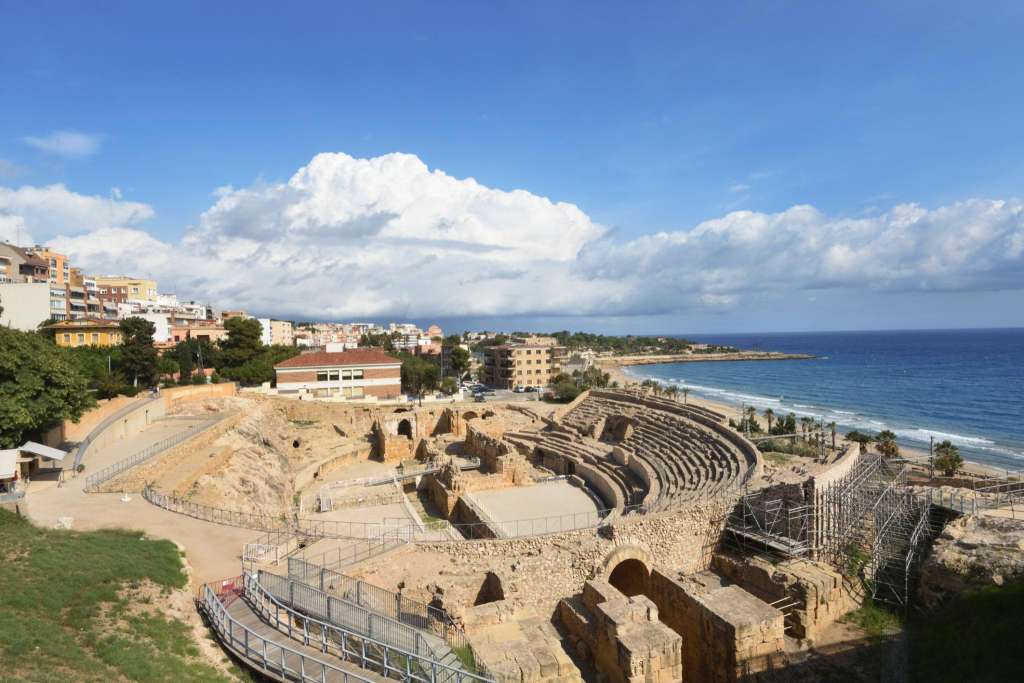
If you’re fascinated by history, Tarragona is one of the most rewarding day trips from Barcelona. Once known as Tarraco, it was one of the most important cities in the Roman Empire on the Iberian Peninsula and served as the capital of the Roman province of Hispania Citerior. Today, much of its remarkable archaeological heritage has been preserved, earning the city recognition as a UNESCO World Heritage Site.
One of Tarragona’s most iconic landmarks is the Roman Amphitheatre, dramatically perched above the Mediterranean Sea. Built in the 2nd century AD, it once hosted gladiator battles, animal hunts, and public spectacles for thousands of spectators. Standing among its ancient stone terraces while overlooking the sparkling coastline is one of the city’s most unforgettable experiences.
Continue your journey through history by exploring the Roman Circus, where chariot races once thrilled crowds, and walk alongside sections of the remarkably preserved Roman Walls, some of the oldest Roman fortifications still standing outside Italy. The city’s archaeological sites offer a fascinating glimpse into daily life nearly 2,000 years ago.
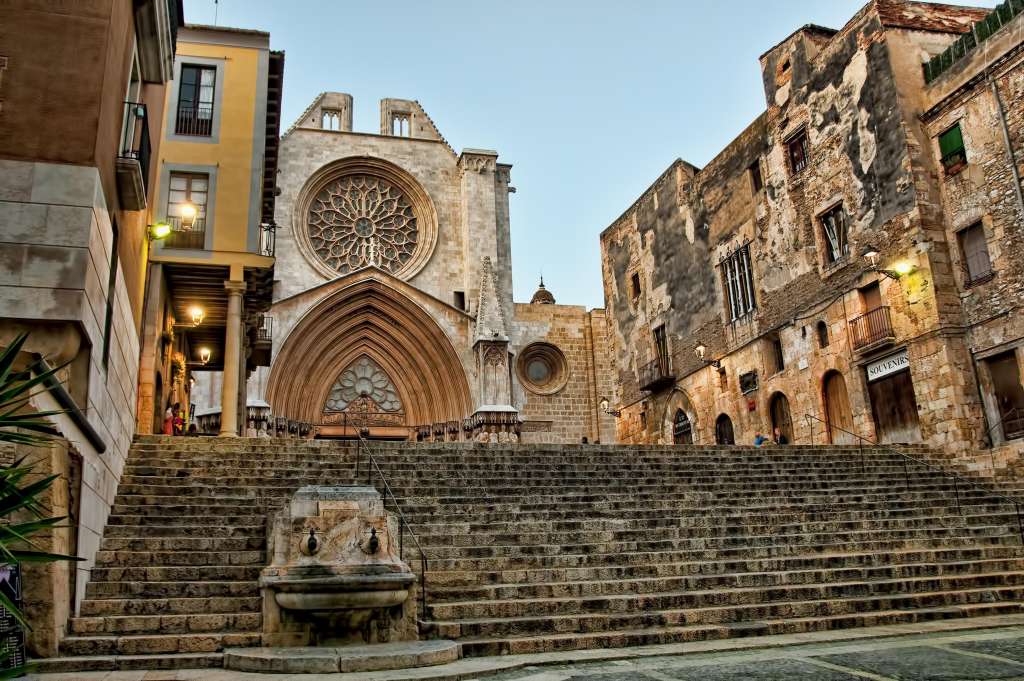
Beyond its Roman past, Tarragona’s medieval old town is equally captivating. Wander through narrow cobbled streets lined with colorful buildings, discover hidden squares, and visit the impressive Cathedral of Tarragona, a beautiful blend of Romanesque and Gothic architecture dating back to the 12th century.
For breathtaking coastal views, head to the famous Balcó del Mediterrani (Balcony of the Mediterranean). This scenic viewpoint sits at the end of the Rambla Nova and offers panoramic vistas over the sea, beaches, and the Roman Amphitheatre below. Locals say that touching the iron r
ailing—known as “tocar ferro”—brings good luck.
Tarragona is also an excellent destination for food lovers. Its seaside location means you’ll find exceptional seafood restaurants serving fresh fish, grilled octopus, mussels, and traditional rice dishes. Be sure to try Romesco sauce, a regional specialty made with roasted peppers, almonds, hazelnuts, garlic, olive oil, and tomatoes. It’s commonly served with seafood and grilled vegetables and is one of Catalonia’s most beloved sauces.
If you’re visiting during late September, you’ll experience the Santa Tecla Festival, one of Catalonia’s largest cultural celebrations. The streets come alive with traditional human towers (castells), giant papier-mâché figures (gegants), folk dancing, concerts, fireworks, and lively parades that showcase the region’s rich traditions.
Top things to do:
Perfect for: History enthusiasts, families, photographers, food lovers, and anyone interested in combining ancient history with a relaxing Mediterranean atmosphere.
Recommended visit: A full day, although it’s also an excellent overnight destination if you’d like more time to explore the archaeological sites, beaches, and waterfront restaurants.
Driving time:
1 hour 15 minutes
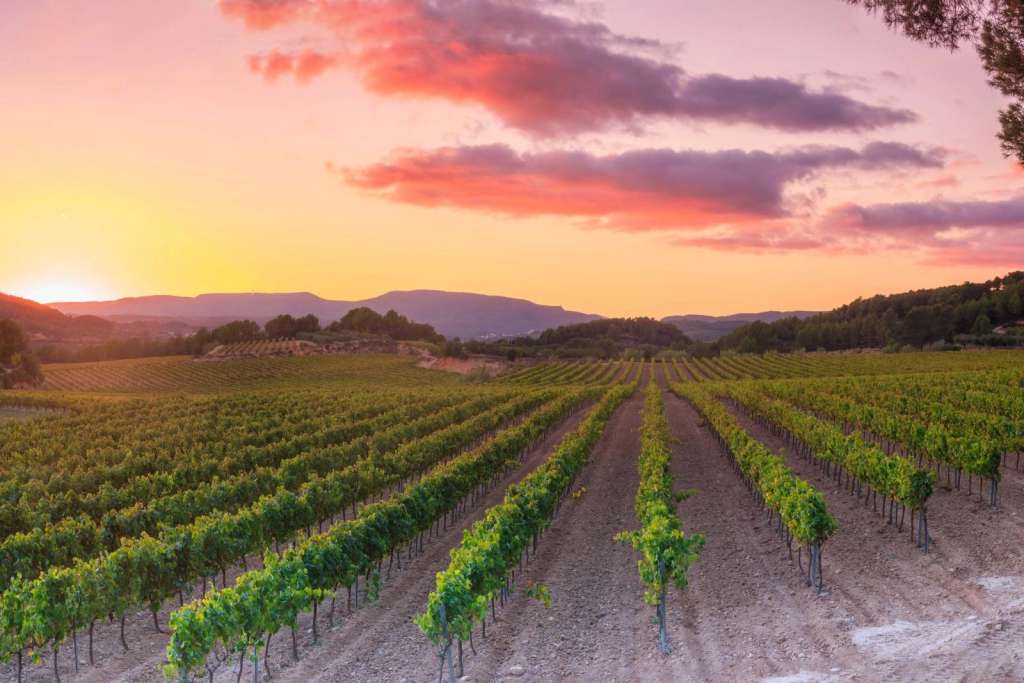
Less than an hour from Barcelona, the Penedès Wine Region is one of Spain’s premier wine destinations and an ideal stop for anyone who enjoys great food, scenic landscapes, and local culture. Stretching between the Mediterranean coast and the mountains of Montserrat, this fertile region is home to hundreds of wineries, family-run vineyards, and some of the country’s finest sparkling wines.
Penedès is best known as the birthplace of Cava, Spain’s famous traditional-method sparkling wine. Produced using the same secondary fermentation process as Champagne, Cava has become one of Catalonia’s most celebrated exports. The town of Sant Sadurní d’Anoia, often referred to as the “Capital of Cava,” is at the heart of the region and is home to many of its historic wine cellars.
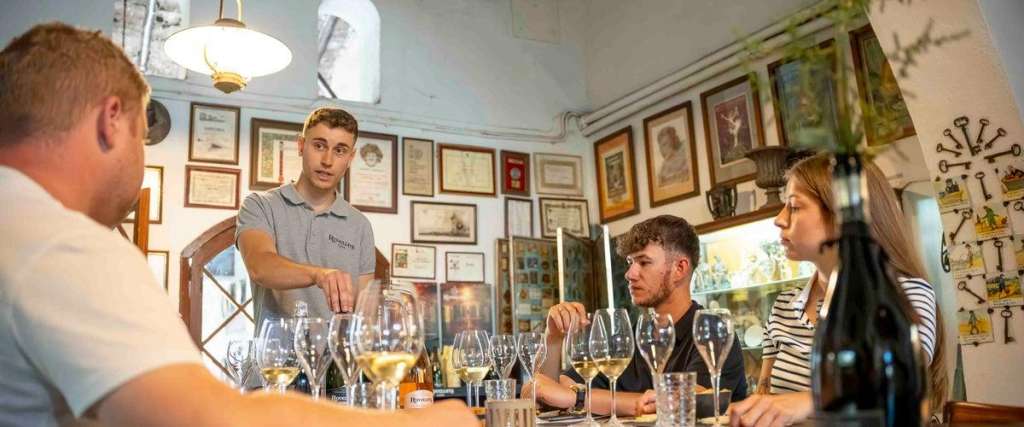
Driving through Penedès is a pleasure in itself. Quiet country roads wind through rolling vineyards, olive groves, and charming villages, with the distinctive peaks of Montserrat often visible in the distance. Many wineries welcome visitors for guided tours, where you’ll learn about the winemaking process—from harvesting the grapes to aging bottles in underground cellars—before sampling a selection of sparkling wines and still reds, whites, and rosés.
While Cava steals the spotlight, Penedès also produces excellent still wines from both native and international grape varieties. White grapes such as Xarel·lo, Macabeu, and Parellada form the backbone of many Cavas, while reds made from Garnacha (Grenache), Tempranillo, and Cabernet Sauvignon have earned growing international recognition.
Food lovers will find plenty to enjoy as well. Many wineries pair their tastings with local cheeses, cured meats, artisan breads, olive oils, and traditional Catalan dishes. Some estates even offer gourmet lunches overlooking the vineyards, making for a memorable afternoon in the countryside.
If you’re visiting in late summer or early autumn, you may catch the grape harvest, when vineyards are buzzing with activity and many wineries host seasonal festivals, special tastings, and harvest celebrations.
For a more authentic experience, venture beyond the larger producers and visit one of the many smaller family-owned wineries. These boutique vineyards often offer more personal tours, the chance to meet the winemakers themselves, and unique wines that aren’t widely exported.
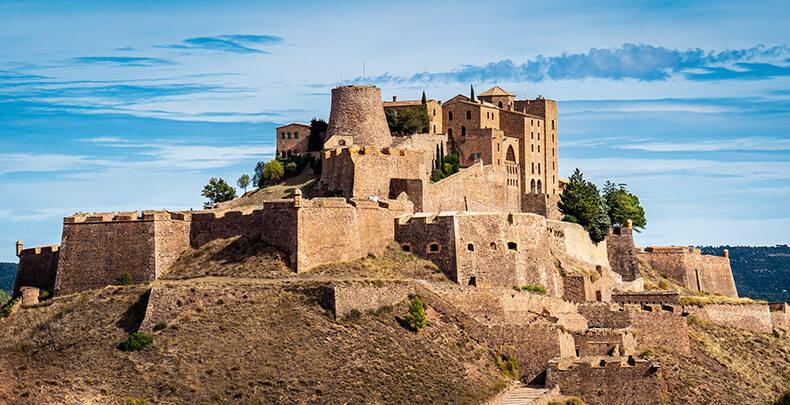
Perched high above the town of Cardona, the Castell de Cardona is one of the most impressive medieval fortresses in Spain. Built during the 9th century, it played a vital role in defending Catalonia for hundreds of years and earned a reputation as one of the few fortresses that was never successfully conquered during the War of the Spanish Succession.
Walking through the castle feels like stepping into a medieval epic. Massive stone walls, towers, courtyards, and defensive ramparts offer sweeping views across the surrounding countryside, while the Romanesque Church of Sant Vicenç, completed in the 11th century, is considered one of the finest examples of Lombard Romanesque architecture in Catalonia.
Today, part of the castle has been transformed into a historic hotel, allowing visitors to spend the night within the fortress walls—an unforgettable experience for anyone interested in history or architecture.
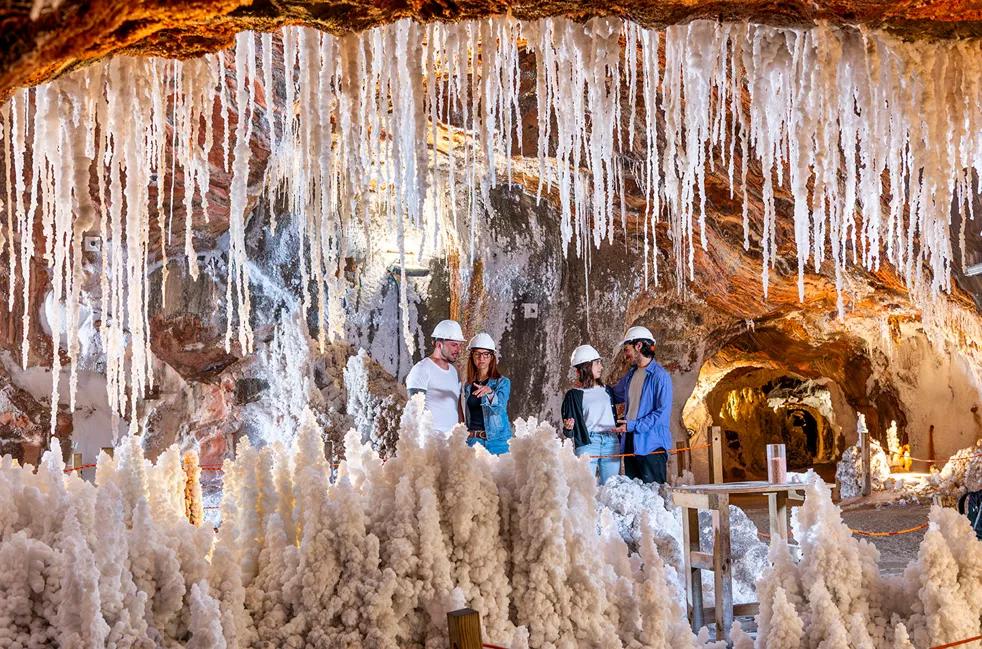
Cardona is equally famous for its remarkable Salt Mountain (Muntanya de Sal), a unique geological formation created millions of years ago when an ancient inland sea evaporated. Guided tours take visitors into the former salt mine, where illuminated tunnels reveal spectacular white, pink, and reddish salt formations, earning it the nickname “the mountain made of salt.”
After exploring the castle and mine, take time to wander through Cardona’s old town, where you’ll find narrow medieval streets, charming cafés, local bakeries, and family-run restaurants serving hearty Catalan dishes.
The combination of military history, natural wonders, and authentic small-town charm makes Cardona one of the most underrated day trips from Barcelona.
Top things to do:
Perfect for: History buffs, families, architecture lovers, geology enthusiasts, and travelers looking for a unique destination away from the crowds.
Every season offers something different:
For many travelers, late spring and early autumn provide the best balance of comfortable weather and lighter crowds.
Yes, especially if you plan to explore beyond the city. A car gives you easy access to coastal villages, mountain landscapes, wineries, and hidden gems that are difficult to reach by public transport.
Yes. Towns such as Tossa de Mar or Begur make excellent day trips, although spending one or two nights lets you enjoy the beaches and coastal walks at a more relaxed pace.
Generally, yes. Roads are well maintained, signage is clear, and driving is straightforward outside Barcelona’s busiest urban areas.
Sitges, Tarragona, Montserrat, and the Costa Brava all offer family-friendly attractions, beaches, and plenty of outdoor space.
Barcelona may be the gateway to Catalonia, but some of the region’s most unforgettable experiences lie just beyond the city. From the dramatic peaks of Montserrat and the vineyards of Penedès to the medieval charm of Besalú and the turquoise coves of the Costa Brava, a road trip reveals a side of Catalonia that many visitors never see.
Whether you’re planning a single day trip or a week-long adventure, exploring by car gives you the freedom to discover scenic routes, authentic villages, and hidden corners at your own pace. Pack a map (or your favorite navigation app), leave room for spontaneous stops, and enjoy the journey—because in Catalonia, the drive is often just as memorable as the destination.
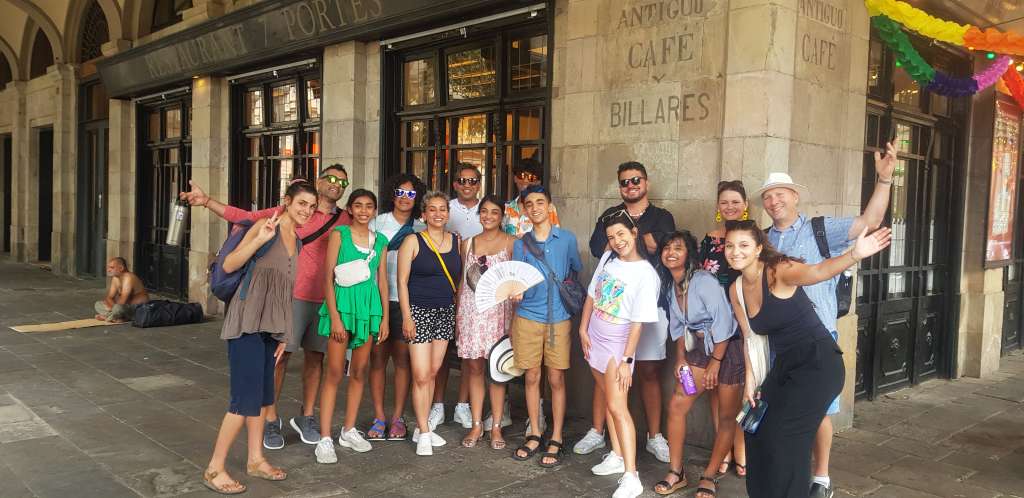
To truly connect with the heart and soul of the city, let your taste buds lead the way. Book a walking tour with Eye on Food Tours to discover Barcelona’s finest flavors, hidden tapas haunts, and rich culinary history with a passionate local guide. What aspect of Barcelona’s August line-up are you most excited to experience?




Keep Us In Mind by subscribing to our Newsletter.
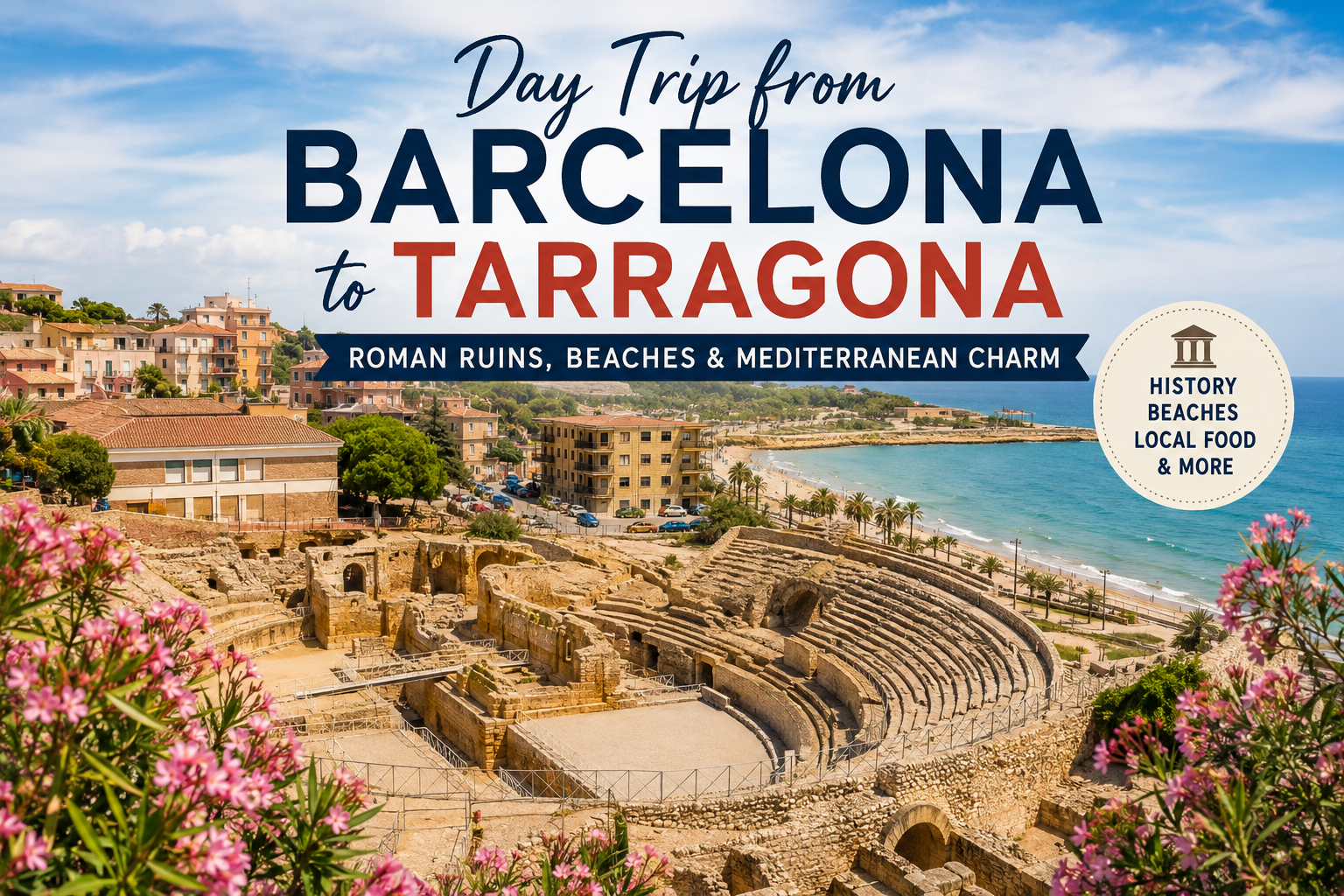
Day Trip from Barcelona to Tarragona: Discover Ancient Rome on Spain’s Mediterranean Coast (2026) Barcelona may steal most of the spotlight in Catalonia, but just

The Best Breakfast in Barcelona: Top Cafés, Bakeries & Local Breakfast Guide (2026) The Best Breakfast in Barcelona: Where Locals and Travelers Start Their Day
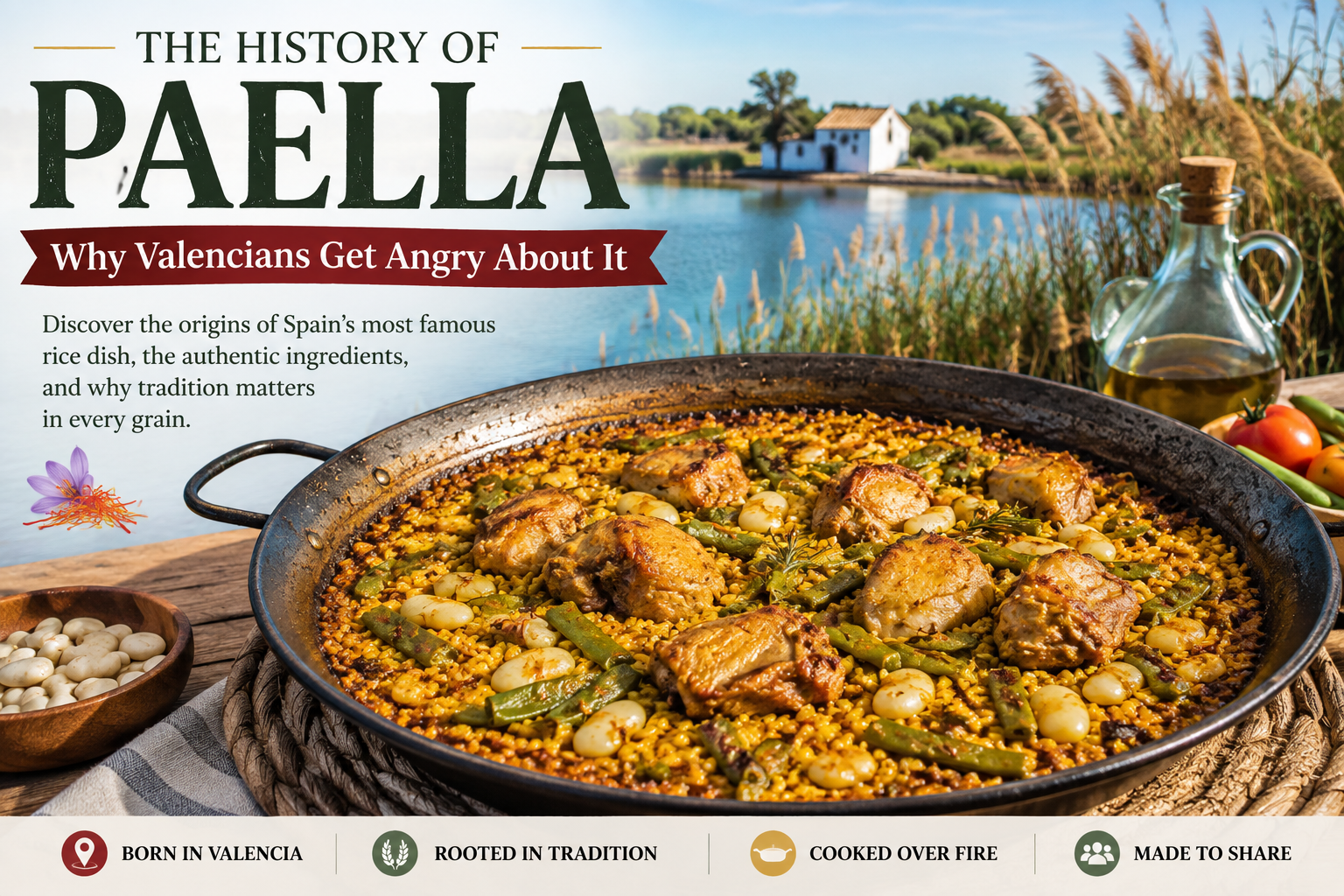
The History of Paella: Why Valencians Get Angry About It (And What Every Traveler Should Know) Spain has given the world countless culinary treasures—Jamón Ibérico,
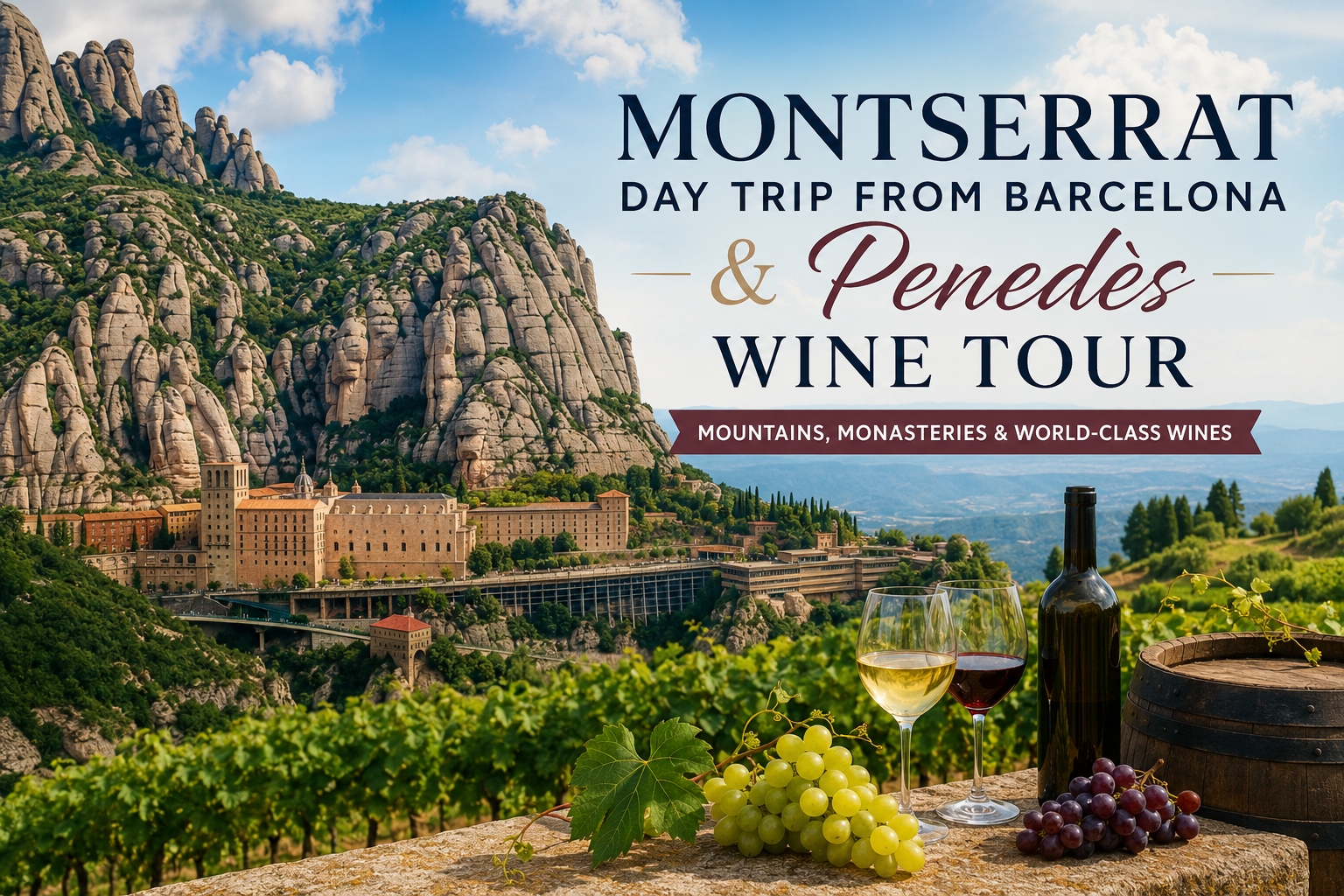
Montserrat Day Trip from Barcelona & Penedès Wine Tour (2026 Complete Guide) When people think of Barcelona, they often picture the bustling streets of Las
