Is Sangria Actually Spanish? History, Origin & Authentic Recipe Explained
Is sangria really Spanish? Discover its true history, origins, and authentic ingredients, plus how this famous wine drink became a global Spanish icon.
Sangria is one of the most recognizable drinks associated with Spain. Walk into a Spanish restaurant almost anywhere in the world, and you’ll likely find a colorful pitcher of sangria on the menu. It’s refreshing, fruity, slightly sweet, and perfect for sharing with friends on warm days.
But here’s a question that often surprises people:
Is sangria actually Spanish?
The answer is more complicated than it seems. While sangria is strongly linked to Spanish culture today, the drink’s origins stretch back through centuries of European wine traditions. Over time, Spain helped shape sangria into the iconic beverage we know today.
In this article, we’ll explore the true history of sangria, its evolution through Europe, how it became globally famous, and whether it is truly a Spanish drink.
If you would like to find the Best Sangria in Barcelona – check out our blog – ( Best Sangria in Barcelona: 5 Authentic Bars & Restaurants Locals Actually Love)Â
What Is Sangria?
Before diving into its history, it helps to understand exactly what sangria is.
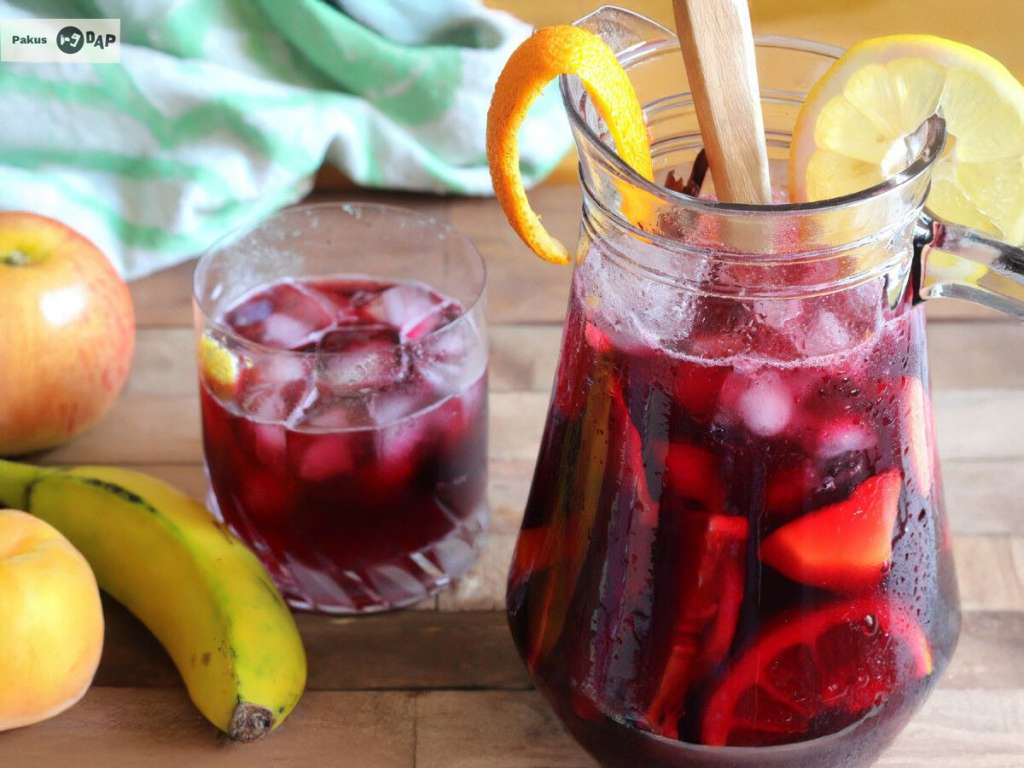
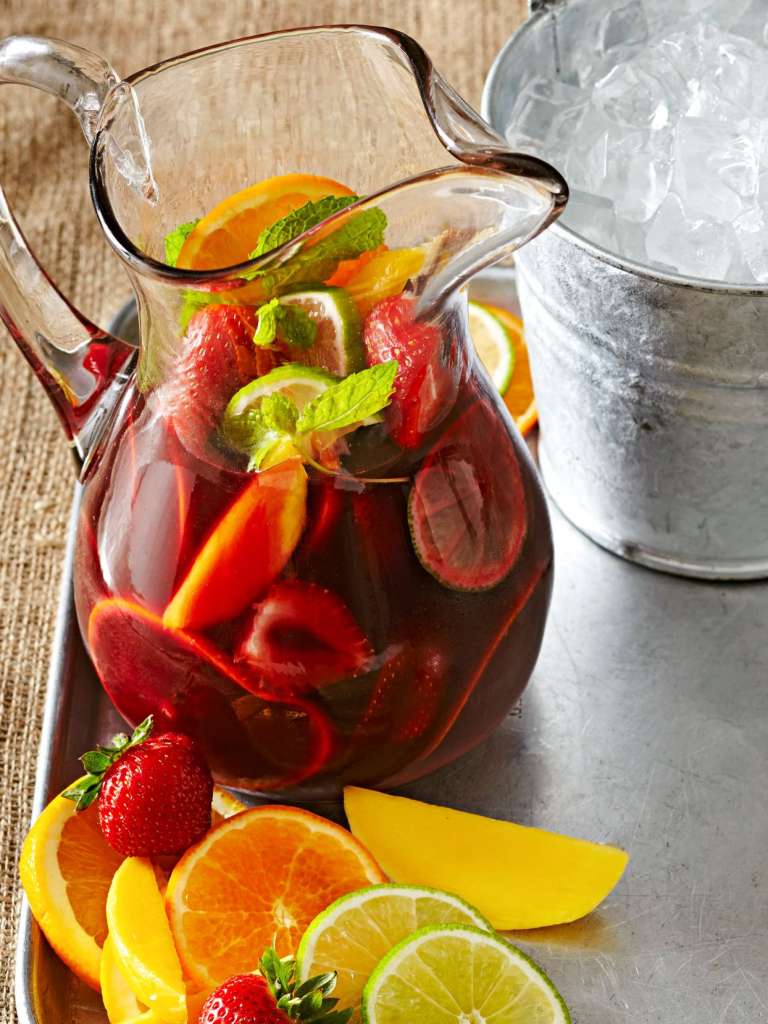
Sangria is a wine-based punch traditionally made with red wine, fresh fruit, sweeteners, and sometimes spirits or soda. It is typically served chilled in pitchers and meant to be shared among friends or family.
A traditional sangria recipe often includes:
- Red wine
- Sliced oranges or lemons
- Apples or other seasonal fruit
- Sugar or honey
- Brandy or orange liqueur (optional)
- Sparkling water or soda
The drink is known for its vibrant color and refreshing taste, making it particularly popular during summer gatherings, outdoor dining, and celebrations.
The word “sangria” comes from the Spanish word “sangre,” meaning blood, referencing the deep red color of the wine traditionally used.
Because of this linguistic origin, many people assume sangria has always been a purely Spanish invention. However, the story goes much further back in history.
The Ancient Origins of Wine Punch
To understand where sangria comes from, we have to look at the broader history of wine punches and mixed wine drinks.
Thousands of years ago, people rarely drank wine in its pure form. Instead, wine was commonly mixed with other ingredients.
Wine in Ancient Rome
In ancient Europe, particularly during the Roman Empire, wine was often diluted with water and flavored with herbs, spices, and fruits. This practice served several purposes:
- It improved the flavor.
- It made strong wine easier to drink.
- It helped preserve wine for longer periods.
Ancient Romans also believed that mixing wine with herbs or fruits had medicinal properties.
These early wine mixtures were not exactly sangria, but they share a similar concept: combining wine with additional ingredients to create a refreshing beverage.
Medieval Europe and Spiced Wine Drinks
During the Middle Ages, wine punches continued to evolve across Europe.
In many regions, people created drinks using:
- wine
- spices like cinnamon and cloves
- fruits
- honey or sugar
One example is hippocras, a spiced wine popular in medieval Europe. Another is mulled wine, which is still consumed in many countries today.
While these drinks were often served warm rather than cold, they show that mixing wine with flavoring ingredients was already common long before modern sangria existed.
Early Versions of Sangria in Spain and Portugal
The modern version of sangria began to take shape in Spain and Portugal during the 18th and 19th centuries.
Farmers and rural communities frequently created simple wine punches using local ingredients. Wine was abundant, especially in regions known for grape cultivation.
Instead of drinking plain wine, people sometimes mixed it with:
- citrus fruits
- sugar
- a small amount of brandy
- water or soda
These mixtures were refreshing, affordable, and easy to prepare in large quantities for gatherings.
Over time, this style of drink became known as sangria, especially when made with red wine and citrus fruit.
Because Spain produces large amounts of both wine and citrus fruits, the drink naturally became associated with Spanish culture.
The Meaning Behind the Name “Sangria”
The word “sangria” comes from the Spanish word “sangre,” meaning blood.
The name refers to the drink’s deep red color when made with red wine.
Interestingly, similar wine punches existed in other countries under different names. However, the Spanish term sangria eventually became the most widely recognized label for this style of beverage.
This helped strengthen the connection between sangria and Spain, even though the idea of mixing wine with fruit was not unique to the country.
Sangria’s Rise in Popularity
For centuries, sangria remained mostly a regional drink in Spain and Portugal. It was enjoyed locally but not widely known outside the Iberian Peninsula.
That changed dramatically in the 20th century.
Tourism and Spanish Cuisine
As Spain became a major tourist destination in the mid-1900s, visitors were introduced to many traditional foods and drinks.
Restaurants began serving sangria to tourists because it was:
- visually appealing
- easy to share
- refreshing in warm climates
This helped sangria become a symbol of Spanish hospitality and Mediterranean lifestyle.
The 1964 World’s Fair and Sangria’s Global Fame
One of the biggest turning points for sangria happened during the 1964 World’s Fair in New York.
Spain introduced sangria to international audiences as part of its cultural showcase.
Visitors loved the drink immediately. It was colorful, fruity, and different from the cocktails Americans were used to.
After the event, sangria began appearing in restaurants across the United States and eventually around the world.
From that moment on, sangria became widely recognized as a classic Spanish drink.
Is Sangria Legally Spanish?
There is actually a legal element to the story.
Within the European Union, the term “sangria” is protected under geographic labeling rules.
According to EU regulations:
- Sangria produced in Spain or Portugal can be labeled simply as sangria.
- If the drink is made outside those countries, it must be labeled something like “aromatized wine-based drink” or “sangria-style beverage.”
This regulation reinforces the connection between sangria and the Iberian Peninsula.
Even though variations are made worldwide, authentic sangria officially belongs to Spain and Portugal.
If you’re craving a great glass of sangria paired with an unforgettable meal, don’t miss our Ultimate Barcelona Food Guide for 2026—where to eat, what to try, and how to eat like a local in Barcelona.
Do Spaniards Actually Drink Sangria?
This might be the most surprising part of the story.
While sangria is famous internationally, locals in Spain do not drink it as frequently as many tourists assume.
Instead, Spaniards often prefer other beverages in everyday life.
Common drinks in Spain include:
- beer
- vermouth
- cava (sparkling wine)
- red or white wine
- tinto de verano
What Is Tinto de Verano?
Tinto de verano, which means “summer red wine,” is one of the most popular alternatives to sangria.
It is typically made by mixing:
- red wine
- lemon soda or sparkling soda
The drink is lighter, simpler, and quicker to prepare than sangria.
Because of this, many Spaniards choose tinto de verano for casual refreshment.
Sangria is usually reserved for parties, large meals, or social gatherings.
Traditional Ingredients in Authentic Sangria
Authentic sangria recipes are relatively simple.
Traditional ingredients often include:
Base wine
- Spanish red wine, such as Tempranillo or Garnacha
Fruit
- oranges
- lemons
- apples
Sweetener
- sugar
- honey
- sometimes fruit juice
Optional spirits
- brandy
- orange liqueur
Additional liquid
- sparkling water
- soda
The key is balance. Sangria should taste refreshing rather than overly sweet.
In Spain, the drink is usually allowed to sit for several hours so the fruit flavors blend with the wine.
Modern Variations of Sangria
Today, sangria has evolved far beyond its traditional form.
Many modern variations exist around the world.
Red Sangria
This is the classic version made with red wine and citrus fruits.
White Sangria
White wine replaces red wine, creating a lighter and fruitier drink.
Common fruits include:
- peaches
- apples
- grapes
Rosé Sangria
Rosé wine adds a slightly floral flavor and a lighter pink color.
Sparkling Sangria
Some recipes include sparkling wine or cava to create bubbles.
Tropical Sangria
This version often includes fruits like:
- pineapple
- mango
- passion fruit
These variations show how flexible the concept of sangria has become globally.
Why Sangria Became a Global Symbol of Spain
Several factors helped sangria become closely associated with Spain.
1. Tourism
Millions of visitors experience sangria while traveling in Spain.
2. Spanish Restaurants Abroad
Many Spanish restaurants use sangria as a signature drink.
3. Easy Preparation
Sangria is easy to make in large batches, making it ideal for restaurants and events.
4. Visual Appeal
Colorful fruit-filled pitchers make sangria visually attractive.
Together, these elements helped turn sangria into an international symbol of Spanish cuisine and culture.
Sangria vs Other Wine Cocktails
Sangria is part of a broader family of wine-based drinks.
Other examples include:
- mulled wine
- spritz cocktails
- wine coolers
What makes sangria unique is its fruit infusion and pitcher-style serving, which emphasizes sharing and social drinking.
This communal aspect fits perfectly with Mediterranean dining traditions.
The Cultural Meaning of Sangria
Beyond its ingredients, sangria represents something deeper in Spanish culture.
It reflects:
- relaxed social gatherings
- outdoor dining
- warm climates
- shared experiences
In many ways, sangria is less about the recipe and more about the atmosphere it creates.
A pitcher of sangria encourages conversation, laughter, and time spent together.
So, Is Sangria Actually Spanish?
The most accurate answer is yes, but with historical influences from across Europe.
Wine punches existed long before sangria appeared in Spain. However, Spain and Portugal shaped the modern version of the drink and helped popularize it worldwide.
Today, sangria is firmly connected to Spanish identity, cuisine, and tourism.
Even though similar drinks existed earlier, Spain transformed sangria into the iconic beverage we know today.
Final Thoughts
Sangria’s story shows how food and drink traditions evolve.
While its roots stretch back through centuries of European wine culture, Spain played the biggest role in defining the drink and sharing it with the world.
Today, sangria remains one of the most beloved wine cocktails globally — a refreshing mix of wine, fruit, and celebration.
Whether you’re enjoying it on a sunny terrace in Barcelona or at a summer party elsewhere, sangria continues to represent the same thing it always has:
good wine, fresh ingredients, and great company.
If you’re visiting Barcelona, a food tour is the perfect way to begin your journey. Our expert team will guide you through the city, offering insider insights and hand-picked recommendations for the best local dining spots. Come and join us at Tours of Barcelona for an authentic taste of the city.