Sitges Travel Guide 2026 The Coastal Gem Just Outside Barcelona

Sitges_2026_guide

Sitges Travel Guide 2026: Best Beaches, Food, Nightlife & Day Trips Near Barcelona

sitges_guide_2026

Sitges: The Perfect Coastal Escape Just 35 Minutes from Barcelona

Nestled along the sparkling Mediterranean coastline, Sitges is one of Spain’s most captivating seaside destinations. Located just a short train ride from Barcelona, this charming coastal town blends stunning beaches, rich Catalan culture, vibrant nightlife, and exceptional cuisine into one unforgettable experience.

Whether you’re planning a weekend getaway, a day trip from Barcelona, or a longer Mediterranean holiday, Sitges offers visitors a perfect mix of relaxation, gastronomy, and authentic Spanish charm.

Origins: Before Sitges Was Sitges

The region around Sitges has been inhabited since prehistoric times. Archaeological discoveries in the nearby Parc Natural del Garraf indicate human activity dating back thousands of years.

The area’s strategic location between the Mediterranean Sea and the limestone hills of the Garraf massif made it attractive to early settlers. Ancient Iberian tribes established communities along this stretch of coastline long before Roman influence reached the Iberian Peninsula.

The Roman Era

sitges_guide_2026

During Roman rule, the region became integrated into the prosperous province of Hispania Tarraconensis. While Sitges itself was not a major Roman city, its coastal position along important maritime trade routes connecting the Mediterranean world made it a key hub.

Roman agricultural estates flourished throughout the region, producing:

  • Wine
  • Olive oil
  • Grain
  • Salted fish products

Many historians believe that viticulture—still important to the area today—has roots reaching back to this Roman period.

sitges_guide_2026
Sitges_guide_2026

The Medieval Birth of Sitges

The first documented reference to Sitges dates to the 10th century.

Following the Christian reconquest of Catalonia from Muslim control, local nobles sought to fortify the coastline. A defensive castle was established on the rocky promontory overlooking the sea where the town’s historic center now stands.

The name “Sitges” likely derives from the Catalan word sitja, meaning “grain silo” or “underground storage pit,” highlighting the area’s agricultural importance during the Middle Ages.

By the 11th century, Sitges had become part of the possessions controlled by the powerful Mir Geribert, often referred to as the “Prince of Olèrdola.”

Sitges_guide_2026

The Golden Age of Overseas Trade

The 18th and 19th centuries transformed Sitges forever.

When Spain expanded trade opportunities with its American colonies, many ambitious residents left for Cuba, Puerto Rico, and other parts of the Caribbean.

These emigrants became known as the Indianos.

Many returned wealthy after making fortunes in:

  • Sugar production
  • Tobacco trade
  • Shipping
  • Commerce

The influence of the Indianos can still be seen throughout Sitges today.

Upon returning home, they financed:

  • Elegant mansions
  • Public buildings
  • Schools
  • Cultural institutions
  • Infrastructure improvements

These investments dramatically reshaped the town’s appearance and prosperity. 

Sitges and the Modernist Movement

Sitges_guide_2026

Perhaps the most important chapter in Sitges’ cultural history began in the late 19th century.

The town became a hub for Catalan Modernism—the artistic movement that paralleled Art Nouveau elsewhere in Europe.

At the center of this transformation was artist and writer Santiago Rusiñol.

In 1893, Rusiñol purchased a former fisherman’s house and transformed it into Cau Ferrat Museum.

The building quickly became a gathering place for artists, intellectuals, writers, and musicians.

Notable figures associated with the movement included:

  • Santiago Rusiñol
  • Ramon Casas
  • Miquel Utrillo

These cultural gatherings elevated Sitges from a fishing town into one of Catalonia’s artistic capitals.

The Creation of Maricel

Sitges_guide_2026

The Modernist era also gave rise to one of Sitges’ most treasured landmarks: Museu Maricel.

The Maricel complex was developed in the early 20th century by American collector Charles Deering with the assistance of Miquel Utrillo.

Inspired by Mediterranean architecture, the complex blended Gothic, Renaissance, and Modernist influences.

Today it remains one of the finest examples of artistic architecture on the Catalan coast

So, Why Visit Sitges?

Sitges_guide_2026

Sitges has earned a reputation as one of the most beautiful coastal towns in Catalonia. With over 300 days of sunshine annually, picturesque whitewashed streets, and a welcoming atmosphere, it’s easy to see why travelers return year after year.

Highlights include:

  • 17 beautiful beaches
  • Historic old town architecture
  • Award-winning restaurants
  • Mediterranean seafood cuisine
  • Vibrant nightlife and festivals
  • Easy access from Barcelona
  • Stunning coastal walks

Top Things to Do in Sitges

1. Explore the Historic Old Town

Sitges_guide_2026

The heart of Sitges is a maze of narrow streets filled with boutique shops, art galleries, and traditional Catalan buildings. Wander through charming squares and discover hidden corners adorned with colorful flowers and local artwork.

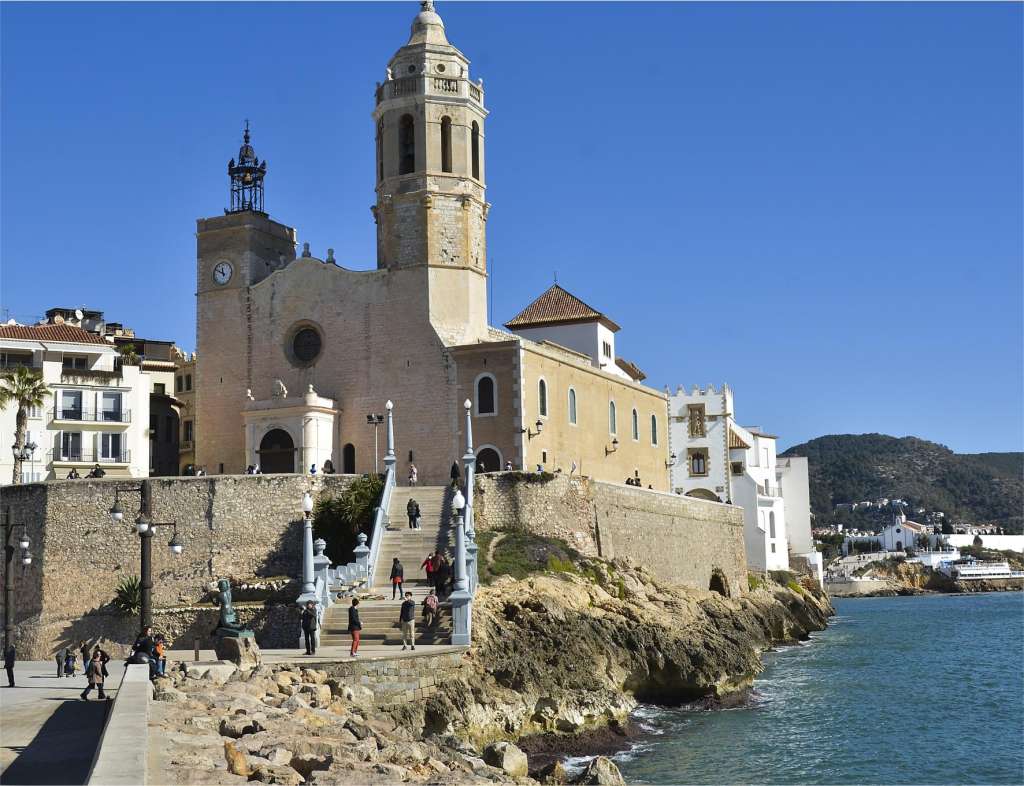
A must-see landmark is the iconic Church of Sant Bartomeu i Santa Tecla, perched dramatically above the sea and offering one of the most photographed views in Catalonia. 

The Church and the Sea

Sitges_guide_2026

Throughout the medieval period, religion and maritime trade shaped daily life.

The site now occupied by the iconic Church of Sant Bartomeu i Santa Tecla became the spiritual center of the growing community.

Fishing provided livelihoods for many residents, while small merchant vessels connected Sitges to other Mediterranean ports.

Life remained relatively modest compared with larger Catalan cities such as Barcelona and Tarragona.

2. Relax on Sitges’ Beaches

Sitges_guide_2026

Sitges boasts a diverse collection of beaches suitable for every traveler.

Popular options include:

  • Platja de Sant Sebastià – Family-friendly and picturesque
  • Platja de la Fragata – Close to the town center
  • Platja de l’Estanyol – Great for relaxing walks
  • Platja de la Ribera – One of the most popular beaches

The crystal-clear waters and clean sandy shores make Sitges a favorite among both locals and international visitors.

3. Walk the Seafront Promenade

The palm-lined promenade stretches along the Mediterranean and provides incredible views of the coastline. Early mornings and sunset hours are especially magical for photography enthusiasts.

The Food Scene: What to Eat in Sitges

Sitges_guide_2026

Food lovers will find Sitges to be a culinary paradise. The town celebrates both traditional Catalan cuisine and modern Mediterranean gastronomy.

Must-Try Local Dishes

Xató

A traditional Catalan salad featuring escarole, cod, anchovies, tuna, olives, and a rich nut-based sauce.

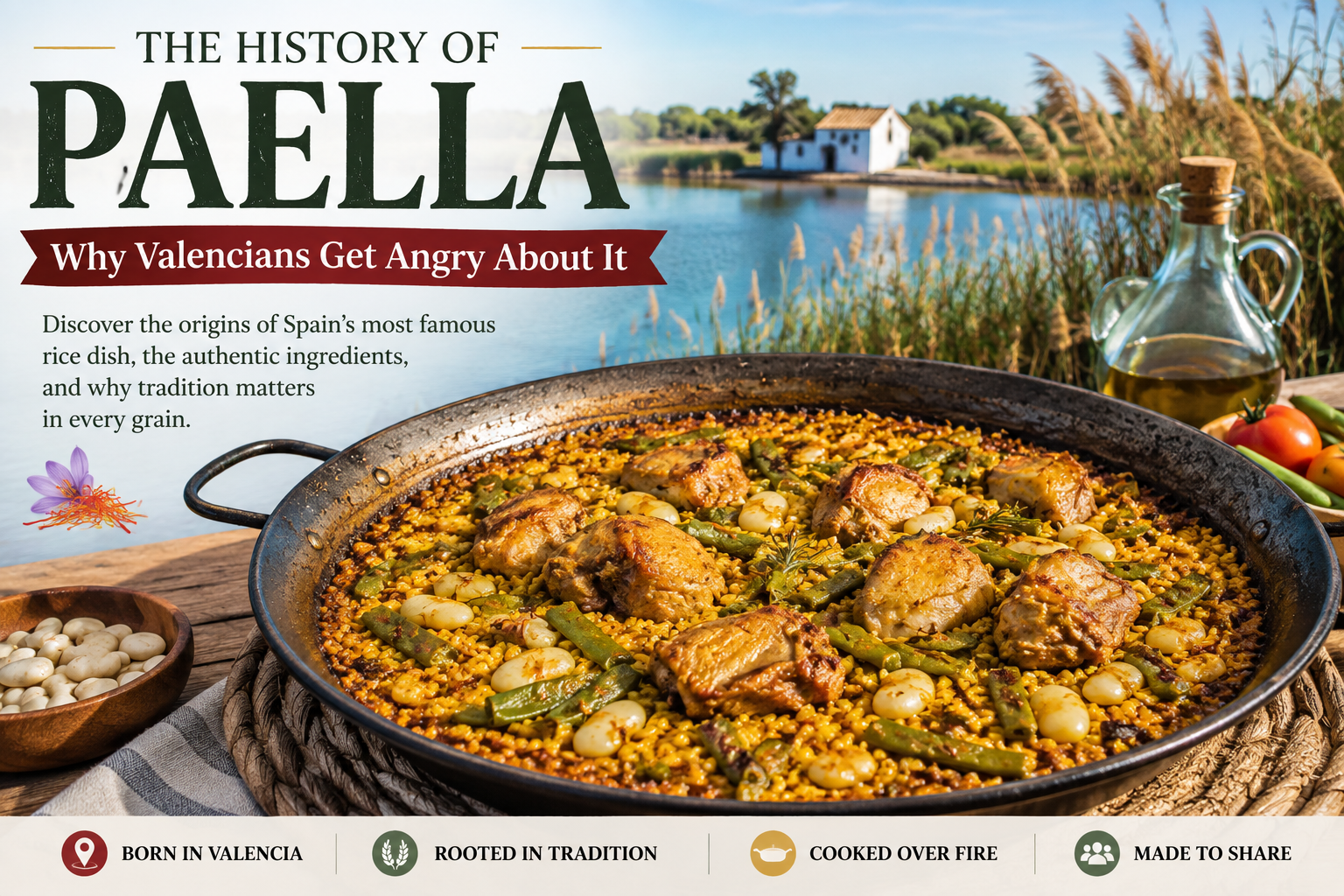
Seafood Paella

Freshly caught Mediterranean seafood combined with saffron-infused rice creates one of Spain’s most iconic dishes.

Grilled Mediterranean Fish

Local restaurants often serve sea bass, dorada, and monkfish prepared with olive oil, garlic, and herbs.

Crema Catalana

Catalonia’s answer to crème brûlée, featuring a creamy custard topped with caramelized sugar.

Best Food Experiences in Sitges

Enjoy Seaside Dining

Many waterfront restaurants offer spectacular Mediterranean views alongside fresh seafood and tapas.

Tapas Hopping

Sitges is ideal for a relaxed tapas crawl. Sample:

  • Patatas bravas
  • Jamón ibérico
  • Croquetas
  • Pimientos de padrón
  • Grilled octopus

Local Wine Pairings

Catalonia is renowned for excellent wines and sparkling cava. Many restaurants feature regional labels from nearby wine-producing areas.

Hidden Gems Around Sitges

Visitors willing to explore beyond the town center can discover several lesser-known attractions.

Parc Natural del Garraf

This protected natural park offers scenic hiking trails, limestone landscapes, and panoramic views of the Mediterranean coastline.

Museu Maricel

An impressive museum showcasing art, history, and cultural treasures connected to Catalonia and Sitges.

Cau Ferrat Museum

The former home of artist and writer Santiago Rusiñol, featuring fascinating collections of art and historic artifacts.

Sitges Nightlife

As the sun sets, Sitges transforms into one of Catalonia’s most lively nightlife destinations.

Visitors can enjoy:

  • Rooftop cocktail bars
  • Beachfront lounges
  • Live music venues
  • Wine bars
  • Late-night tapas spots

The town is particularly famous for its inclusive and welcoming atmosphere, attracting travelers from around the world.

How to Get from Barcelona to Sitges

Traveling from Barcelona to Sitges is simple and convenient.

Options include:

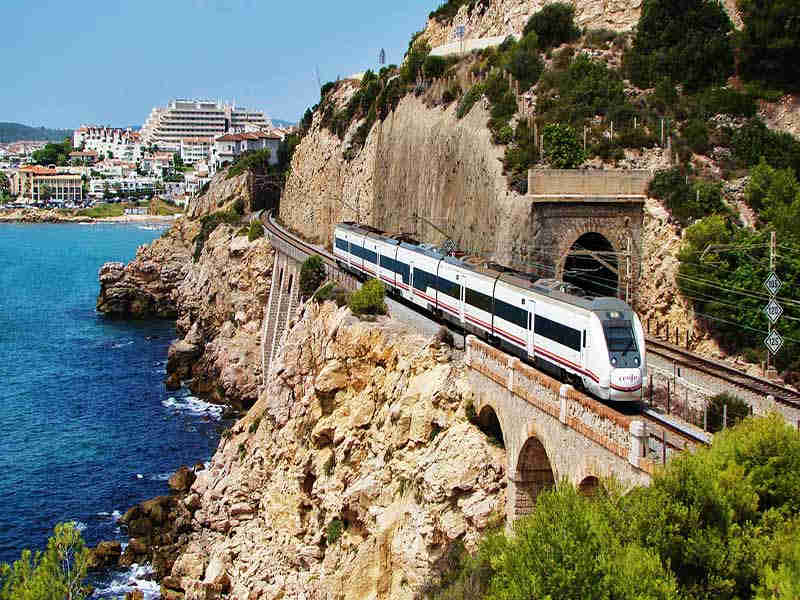
  • Direct train (approximately 35–45 minutes)
  • Car rental via the scenic coastal route
  • Organized day tours
  • Taxi or rideshare services

The train remains the fastest and most affordable choice for most travelers.

Best Time to Visit Sitges

Spring (March–May)

Pleasant temperatures, fewer crowds, and blooming landscapes.

Summer (June–August)

Perfect beach weather and lively nightlife.

Autumn (September–October)

Warm sea temperatures and excellent food festivals.

Winter (November–February)

A quieter atmosphere with mild Mediterranean weather.

Final Thoughts

Sitges perfectly captures the essence of Mediterranean Spain. Its golden beaches, historic charm, exceptional gastronomy, and relaxed coastal lifestyle make it one of the most rewarding destinations near Barcelona.

Whether you’re savoring fresh seafood by the sea, exploring historic streets, or watching the sunset over the Mediterranean, Sitges delivers an authentic Catalan experience that combines culture, food, and natural beauty in one remarkable destination.

eye_on_food_tours

Friends don’t let friends eat frozen paella on Las Ramblas.

Let’s be honest: your stomach deserves better than a microwave-heated meal and a 10-euro “sangria” that’s actually just red juice and sadness.

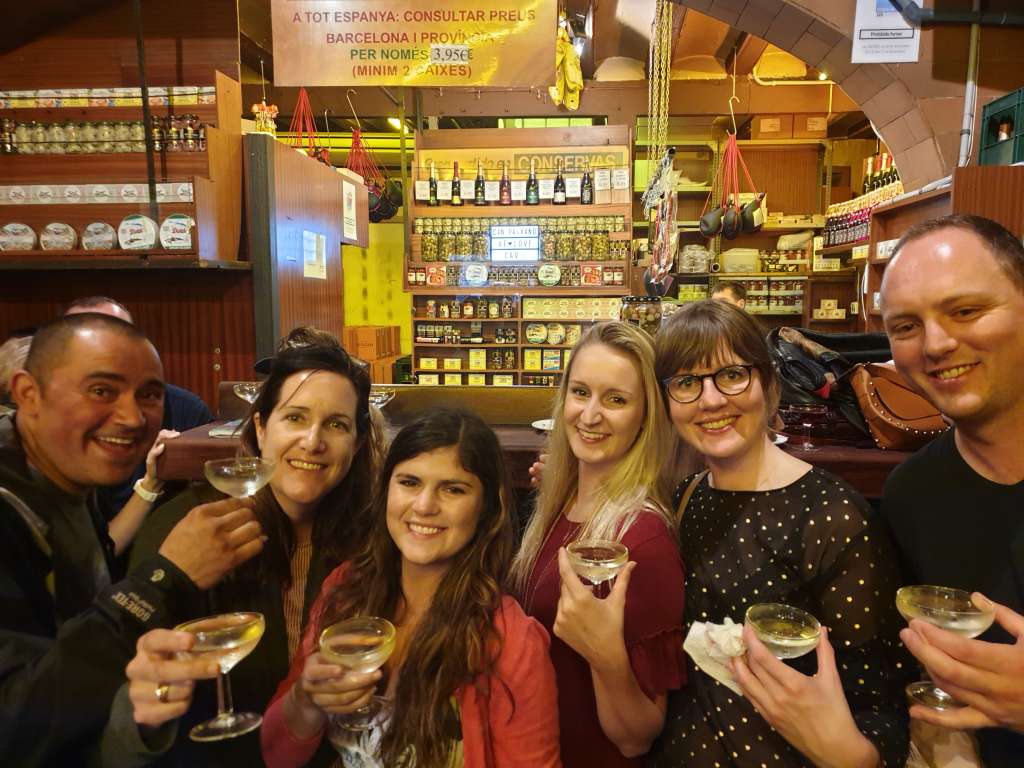
At Eye on Food Tours, we believe in “Love at First Taste.” We’ll take you through the winding backstreets of Barcelona and Madrid to find the family-run taverns where the locals actually hide. You’ll get 10+ tastings, enough wine to make your history lessons interesting, and the secret satisfaction of knowing you’re eating better than every other tourist in the city.

Don’t just look at the food—eat it: Book your spot here!

Adrian

Charles Liondae is a passionate advocate for Spanish culture, history, and, above all, its vibrant culinary traditions. As a Freelance Food writer for Eye On Food Tours, he has dedicated himself to sharing the rich tapestry of flavors and stories that make Spanish cuisine truly exceptional.

Share:

Facebook
Twitter
Pinterest
LinkedIn

Leave a comment

Social Media

Most Popular

Not Ready Yet ?

Keep Us In Mind by subscribing to our Newsletter.

Subscription Form
We promise not to share your email or data to anyone
MORE READING

Related Posts

This website uses cookies to ensure you get the best experience on our website.