
How to Stay Cool in Barcelona This Summer | Survival Guide

How_Stay_Cool_Barcelona_This_Summer | Survival Guide

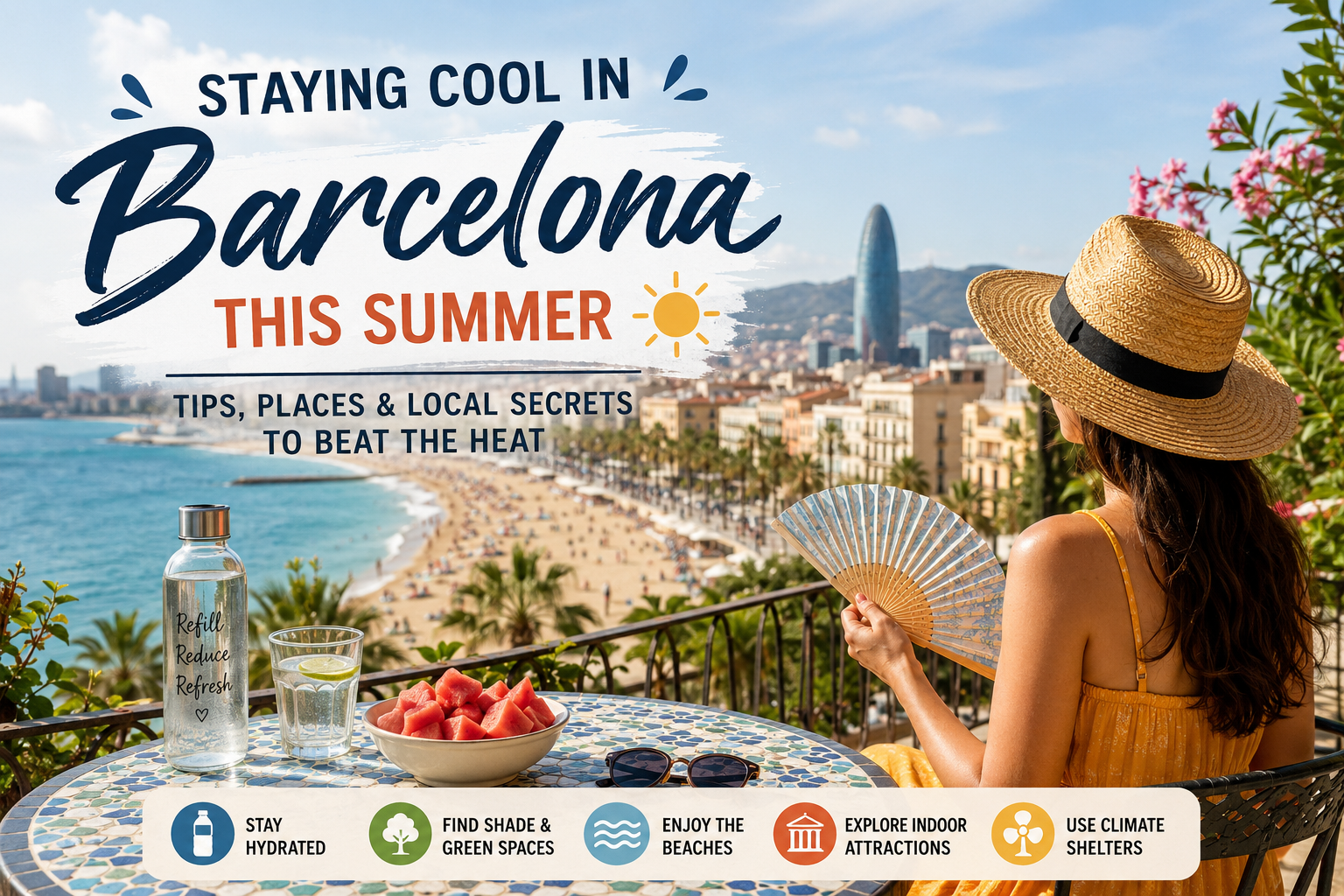
How to Stay Cool in Barcelona This Summer: The Ultimate Beat-the-Heat Survival Guide (2026)

Barcelona summer, stay cool, Barcelona heat wave, Barcelona travel, summer in Spain.

Barcelona is a dream destination. Between the dizzying heights of Gaudí’s masterpieces, the narrow, winding stone alleys of the Gothic Quarter, and the siren song of the Mediterranean Sea, it is a city that captures your soul. But if you are planning to visit during the peak summer months of July, August, or September, that dream can quickly start to feel like a beautifully tiled, high-humidity oven.

The Catalan capital is famous for its Mediterranean climate, which sounds lovely until a severe summer heat wave strikes. With temperatures frequently soaring past 30°C (86°F)—and the dense, seaside humidity making it feel closer to 38°C (100°F)—wandering the concrete streets during midday can be physically exhausting.

You don’t have to spend your entire holiday hiding out in a hotel room with the air conditioning blasting. Local Barcelonins have mastered the art of managing the summer heat by modifying their schedules, utilizing clever urban infrastructure, and seeking out architectural safe havens.

This comprehensive, long-form survival guide shares the absolute best ways to stay cool in Barcelona this summer. From navigating the city’s hidden network of free public climate shelters to picking the right beaches, museums, and cold culinary treats, here is how to beat the heat wave like a local.

1. Master the Mediterranean Clock: When to Walk, When to Hide

things-to-do-in-barcelona-august-2026

The most fundamental rule of surviving a Barcelona summer has nothing to do with what you pack or where you go—it is entirely about when you move.

The city operates on an unspoken schedule tailored around the sun. If you try to power through your usual sightseeing schedule from 12:00 PM to 5:00 PM, you will burn out rapidly. This midday window is when the sun hits its peak and the stone walls of the Old Town trap heat, turning narrow streets into thermal corridors.

The Perfect Summer Itinerary Structure

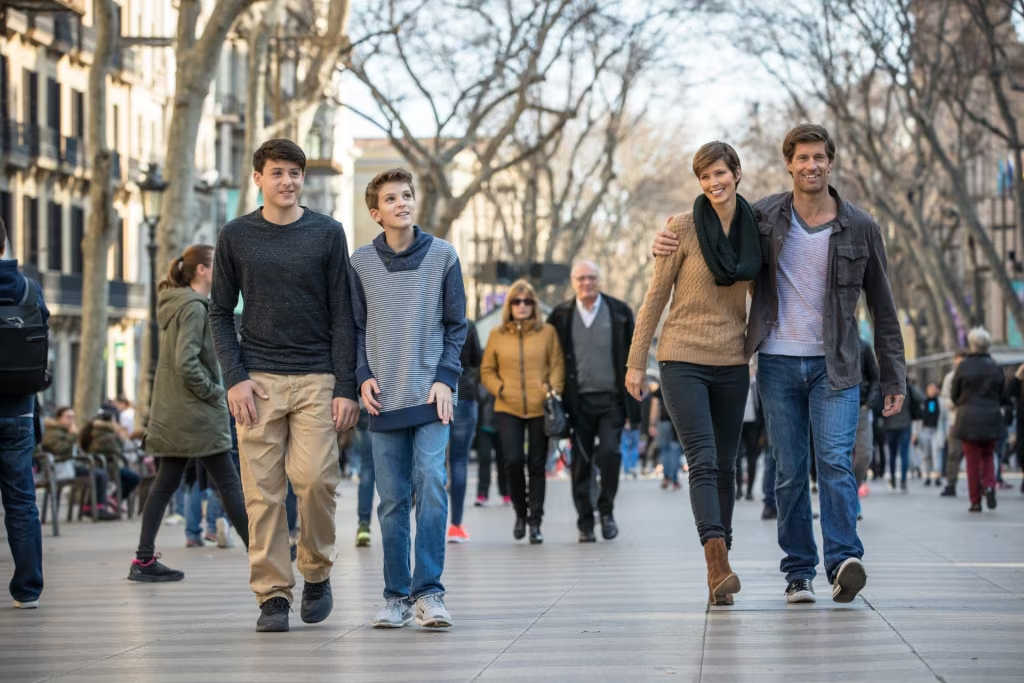
  • The Early Window (8:00 AM – 11:00 AM): This is your prime time for outdoor activities. Hit the popular viewing points, walk through Park Güell, or stroll down Las Ramblas before the stone absorbs the daytime heat.
  • The Great Midday Retreat (12:00 PM – 5:00 PM): Retreat indoors. This is the ideal window for air-conditioned museums, an extended, multi-hour lunch, or a siesta back at your accommodation. Locals often slow down during these hours for good reason.
  • The Evening Resurgence (6:30 PM – Late): As the sun dips behind the Collserola hills, the city comes alive again. The evening breeze rolls off the sea, making it the perfect time for rooftop drinks, beachside walks, and late-night tapas outside, or take a food tour or maybe Sunset cruises.

2. Leverage Barcelona’s Best Kept Secret: Refugis Climàtics

eyeonfoodtours

Stay Safe During Heatwaves with Barcelona’s Climate Shelter Network

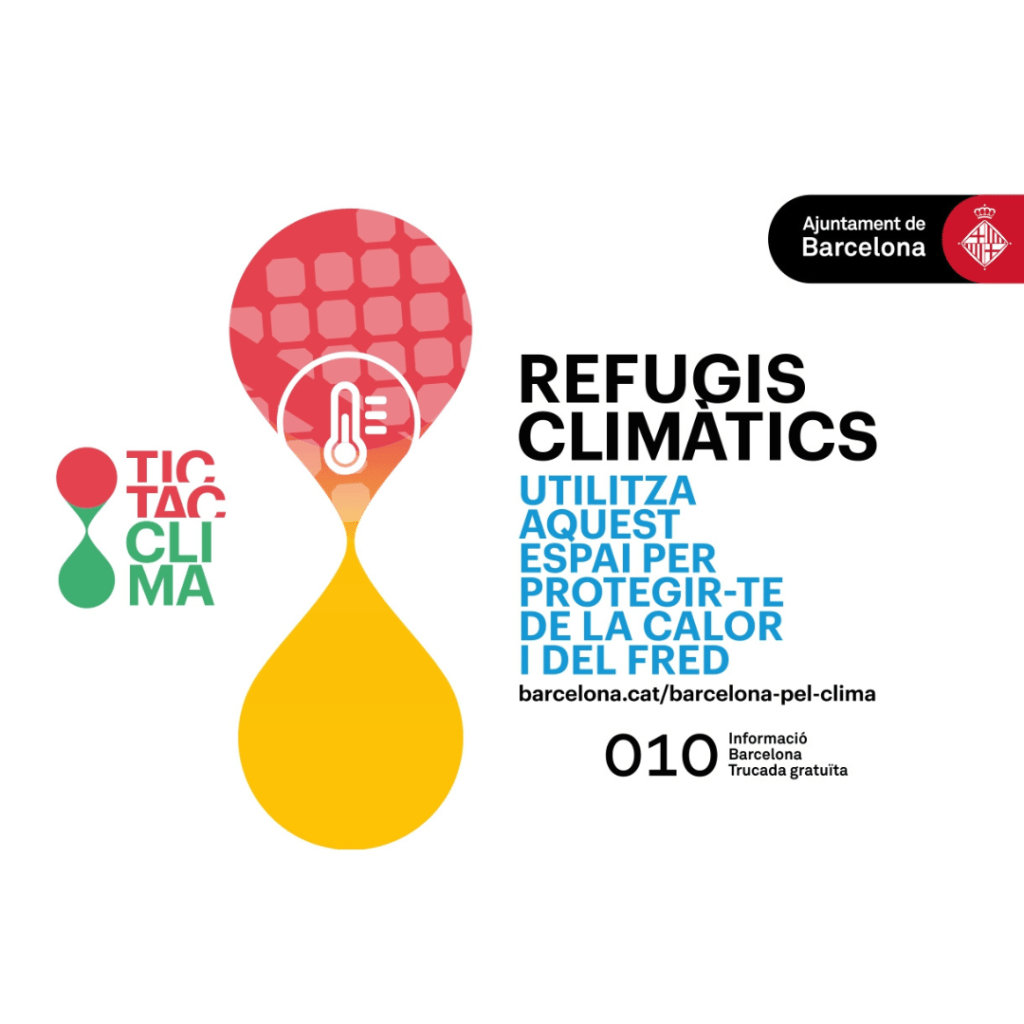
One of Barcelona’s most innovative initiatives to address extreme summer temperatures is its Climate Shelter Network (Xarxa de Refugis Climàtics). Created by Barcelona City Council, this network provides free, accessible places where residents and visitors can cool down during periods of intense heat. The majority of these shelters remain available year-round and are designed to provide a comfortable indoor or shaded environment during both heatwaves and cold spells. (Barcelona.cat)

The network includes hundreds of climate shelters spread across the city, ensuring that most people are within a short walk of a safe place to escape the heat. These locations include:

  • Air-conditioned public libraries
  • Civic and community centres
  • Museums
  • Municipal sports facilities
  • Markets
  • Parks and gardens with extensive tree cover
  • Other public buildings that provide thermal comfort and access to drinking water where available (Barcelona.cat)

These spaces are particularly valuable during the hottest hours of the day, typically between 12:00 pm and 5:00 pm, when temperatures and UV levels are at their highest. Rather than continuing to sightsee in direct sunlight, consider spending an hour or two inside one of these climate shelters to rest, rehydrate, and recover before heading back outdoors.

Who Can Use the Climate Shelters?

The Climate Shelter Network is open to everyone. While it was created to protect vulnerable groups—including older adults, young children, pregnant women, people with chronic health conditions, and those without adequate cooling at home—tourists are also welcome to use these public spaces during extreme heat. (Barcelona.cat)

How to Find a Climate Shelter

Before heading out for the day, check Barcelona’s official interactive map of climate shelters to locate the nearest refuge along your route. This is especially useful if you’re planning to spend the day exploring neighbourhoods away from the beach.

Many shelters are clearly signposted and offer:

  • Air-conditioned indoor spaces
  • Seating areas
  • Drinking water (at selected locations)
  • Accessible entrances
  • Safe places to rest away from direct sunlight (diba.cat)

A Smart Addition to Your Summer Itinerary

Whether you’re walking through the Gothic Quarter, visiting Gaudí’s masterpieces, or shopping along Passeig de Gràcia, incorporating a climate shelter into your itinerary can make your day far more enjoyable. Taking regular cooling breaks reduces the risk of dehydration, heat exhaustion, and sun exposure while allowing you to continue exploring comfortably.

As heatwaves become more frequent across southern Europe, Barcelona’s Climate Shelter Network has become a leading example of urban climate adaptation, helping both locals and visitors stay safe while enjoying everything the city has to offer. (Barcelona.cat)

3. Rethink the Beach Day: Look Beyond Barceloneta

When the thermometer spikes, your first instinct will likely be to grab a towel and head straight to the beach. However, doing this without a strategy can backfire spectacularly.

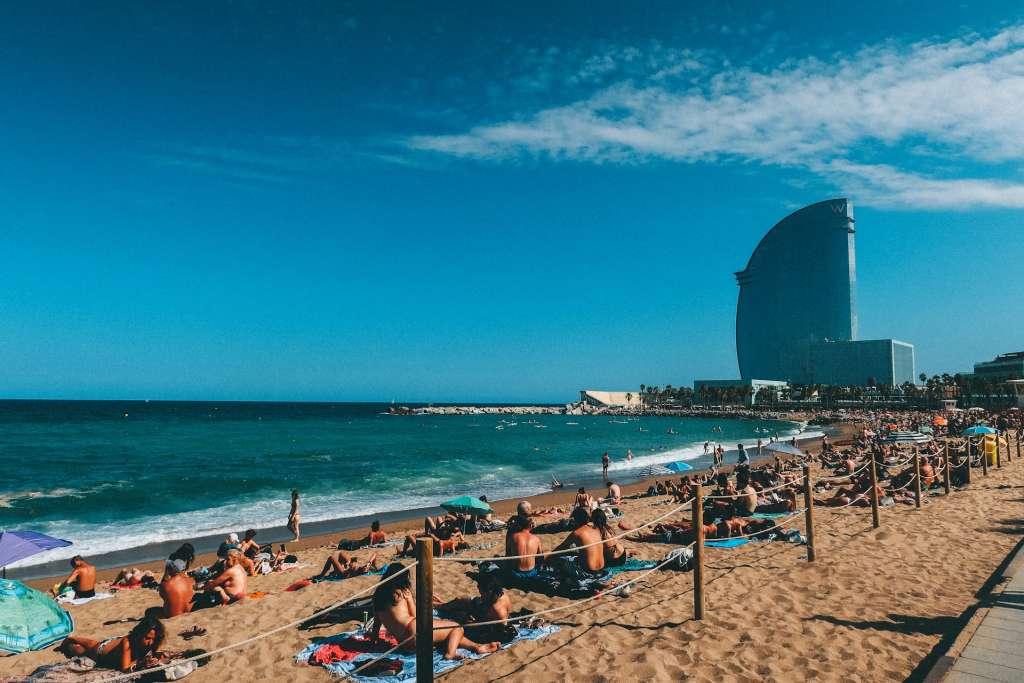
Barceloneta Beach, while incredibly famous and easily accessible from the city center, is often the hottest and most crowded strip of sand in the region. The lack of natural shade, combined with the dense crowds and radiant heat from the nearby promenade, can make it feel incredibly stifling. If you want to use the sea to truly stay cool, change your location and your timing:

Tips for a Cooler Beach Experience

  • Go Early or Go Late: Arrive before 10:30 AM to catch the morning tranquility, or head down after 6:30 PM. A sunset dip is a local favorite, offering significantly cooler air temperatures and a much lower UV index.
  • Head North to Bogatell or Mar Bella: These beaches are wider, slightly less chaotic, and catch a better breeze than Barceloneta.
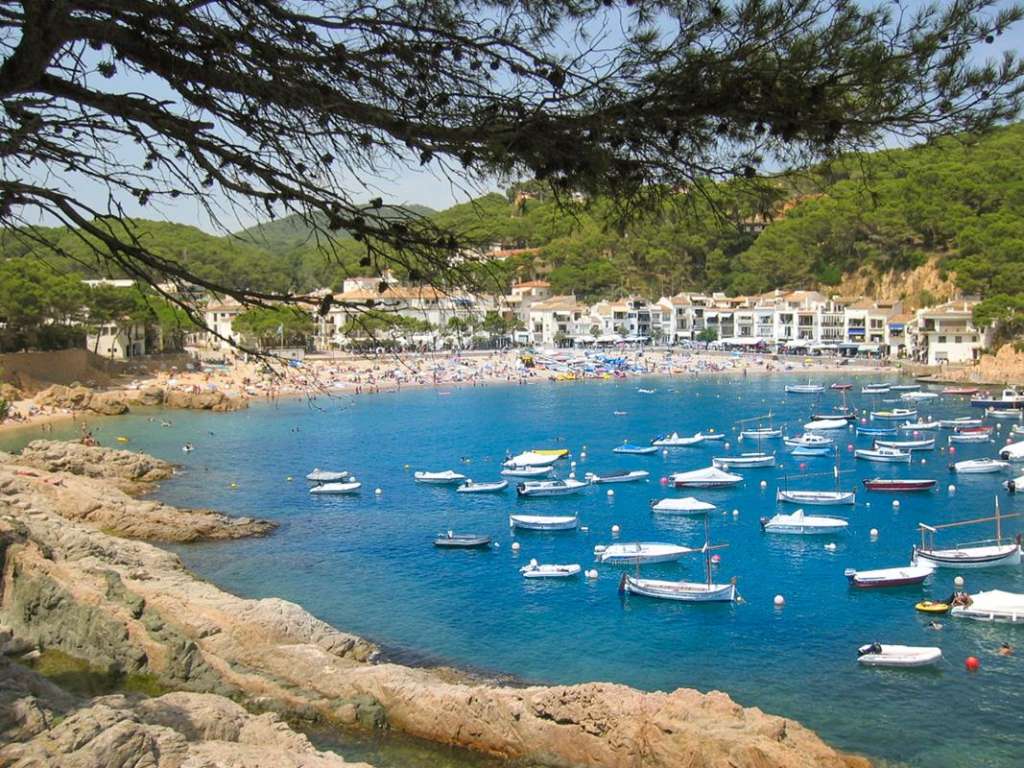
  • Take a Quick Train Ride to Montgat or Badalona: Hop on the R1 Rodalies train line from Plaça de Catalunya. Within 15 to 20 minutes, you will find yourself at beaches with cleaner water, fewer crowds, and a much more refreshing coastal breeze.

Barcelona’s beaches are great — but the real gems are just a short train ride away! 🚗 Discover secret coves, crystal-clear waters, and stunning coastal scenery in our Ultimate Beach Guide for 2026.


4. Chase the Shade in Barcelona’s Greenest Parks

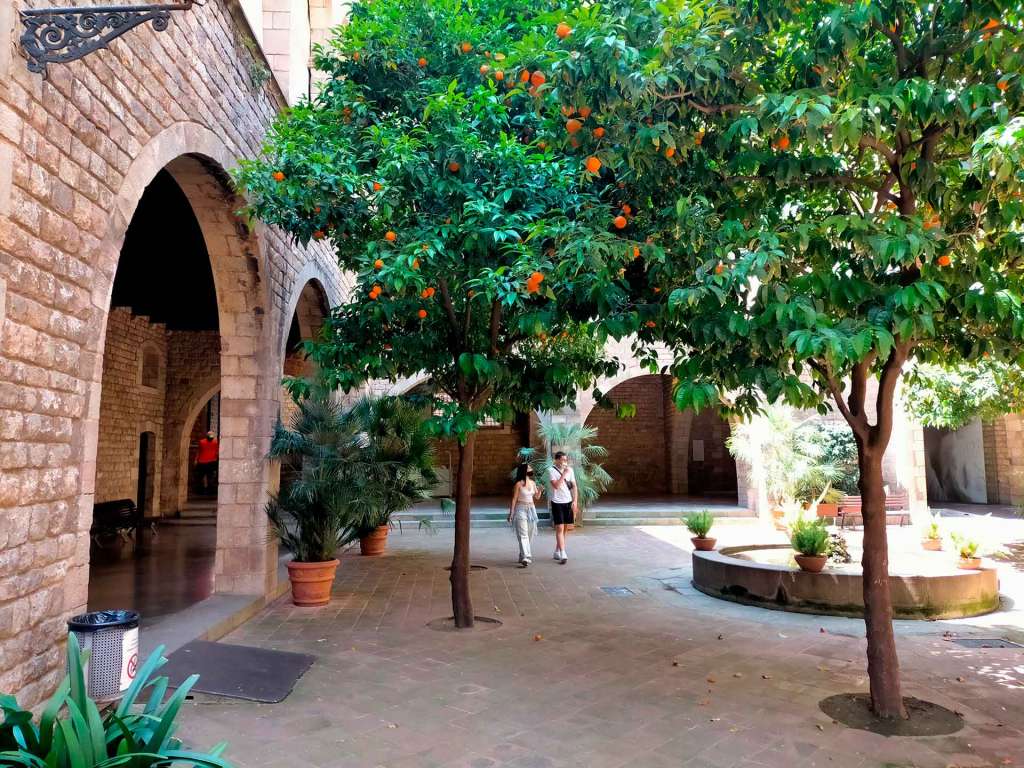
When you need to stay outside but desperately want relief from direct sunlight, concrete squares like Plaça de Catalunya or Plaça Espanya are the worst places to stand. Instead, seek out the city’s green lungs, where mature tree canopies significantly lower the ambient temperature.

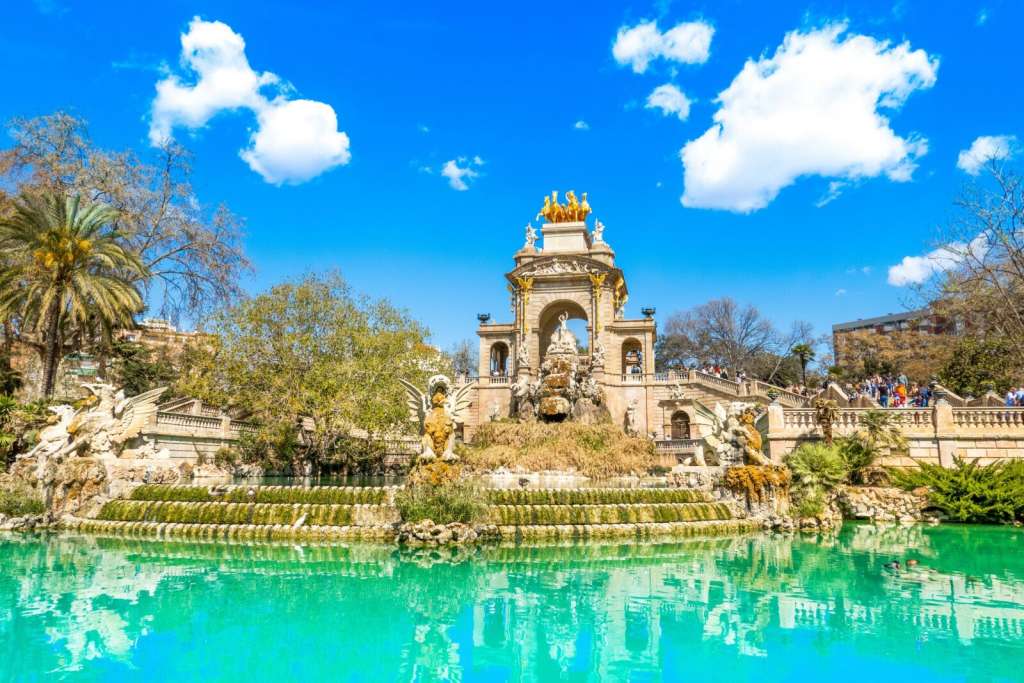
Parc de la Ciutadella

Located right on the edge of El Born, this sprawling park is full of massive, leafy trees. Find a spot on the grass near the grand cascade fountain. The combination of moving water and deep shade acts like nature’s own air conditioner.

The Gardens of Montjuïc

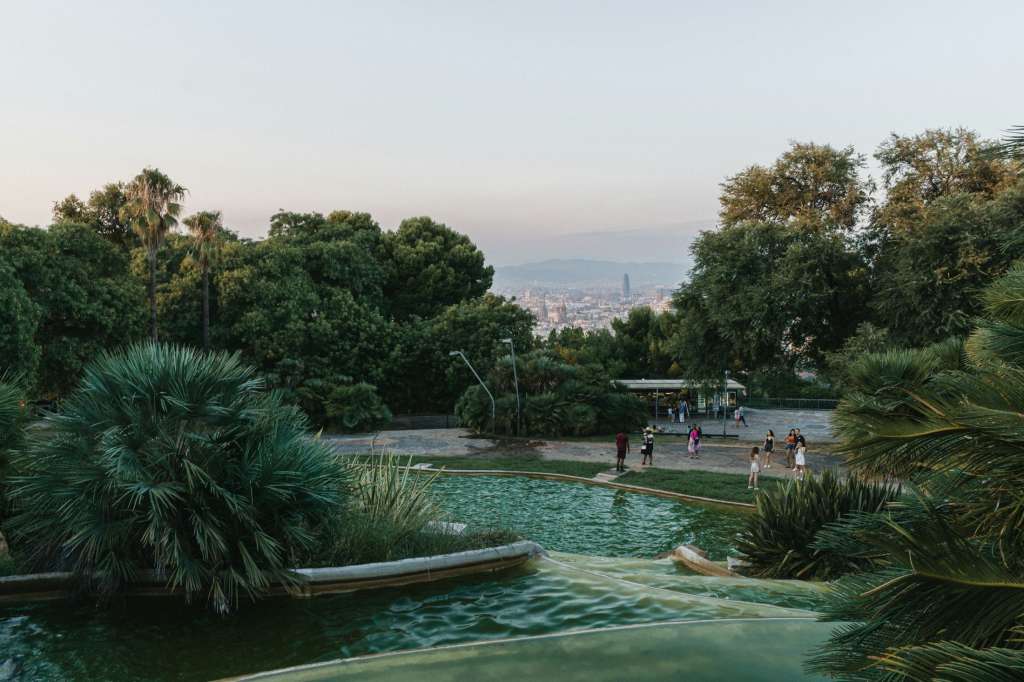
The hill of Montjuïc is consistently cooler than the city basin below. Take the funicular up and wander through the Jardins de Laribal or the Mossèn Costa i Llobera Gardens. Because it sits elevated right above the sea, Montjuïc benefits from steady coastal winds that rarely make it down into the narrow streets of the Gothic Quarter.

Parc del Laberint d’Horta

If you want to escape the central tourist zones entirely, venture up to Barcelona’s oldest conserved garden in the Horta-Guinardó district. Featuring domestic cypress hedges, rolling water features, and a literal hedge maze, this park feels like a completely different, much cooler world.

5. Dive Into Chilled Culture: Air-Conditioned Museums

When the afternoon sun is at its most relentless, swap your outdoor walking tour for a deep dive into art and history. Barcelona’s world-class museums don’t just protect priceless artifacts; they feature top-tier, industrial-strength air conditioning.

Here are a few exceptional museums where you can comfortably spend three to four hours cooling down:

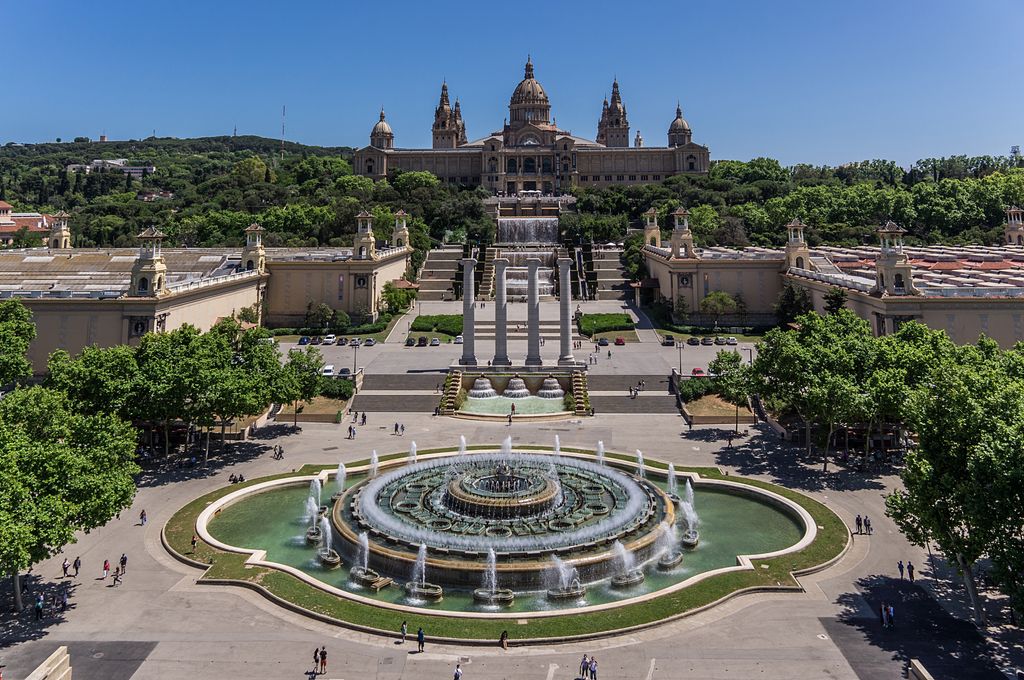
  • MNAC (Museu Nacional d’Art de Catalunya): Perched majestically on Montjuïc hill, this enormous palace offers massive, cool halls filled with the world’s finest Romanesque church murals.
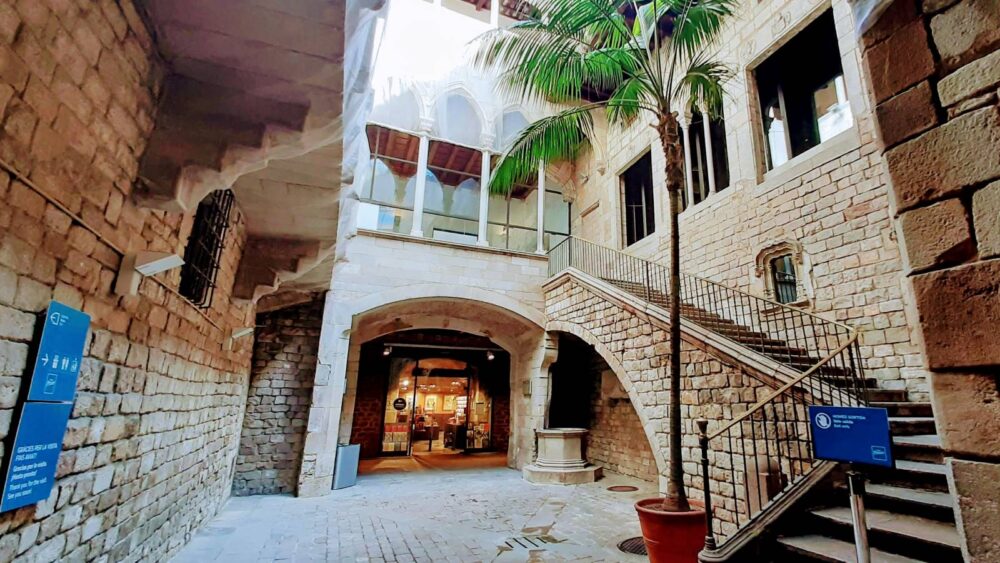
  • The Picasso Museum: Tucked inside five conjoined medieval stone palaces in El Born, this museum combines historical architecture with crisp, chilled indoor air.
  • MACBA (Museum of Contemporary Art): The bright, white, minimalist architecture of this Raval landmark is paired with fantastic air conditioning, making it a favorite afternoon refuge for the creative crowd.
  • CosmoCaixa: If you are traveling with children, this interactive science museum is an absolute lifesaver. It features an indoor greenhouse mimicking an Amazonian rainforest, which is humid but fully climate-controlled away from the direct Spanish sun.

6. Stay Hydrated via 1,700+ Public Drinking Fountains

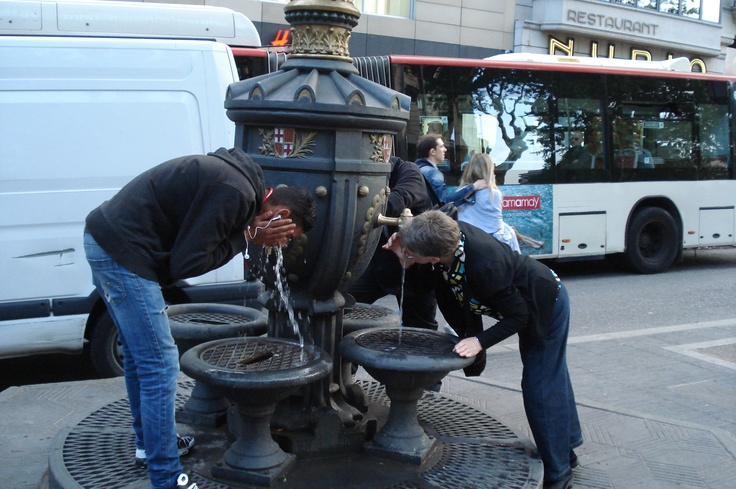
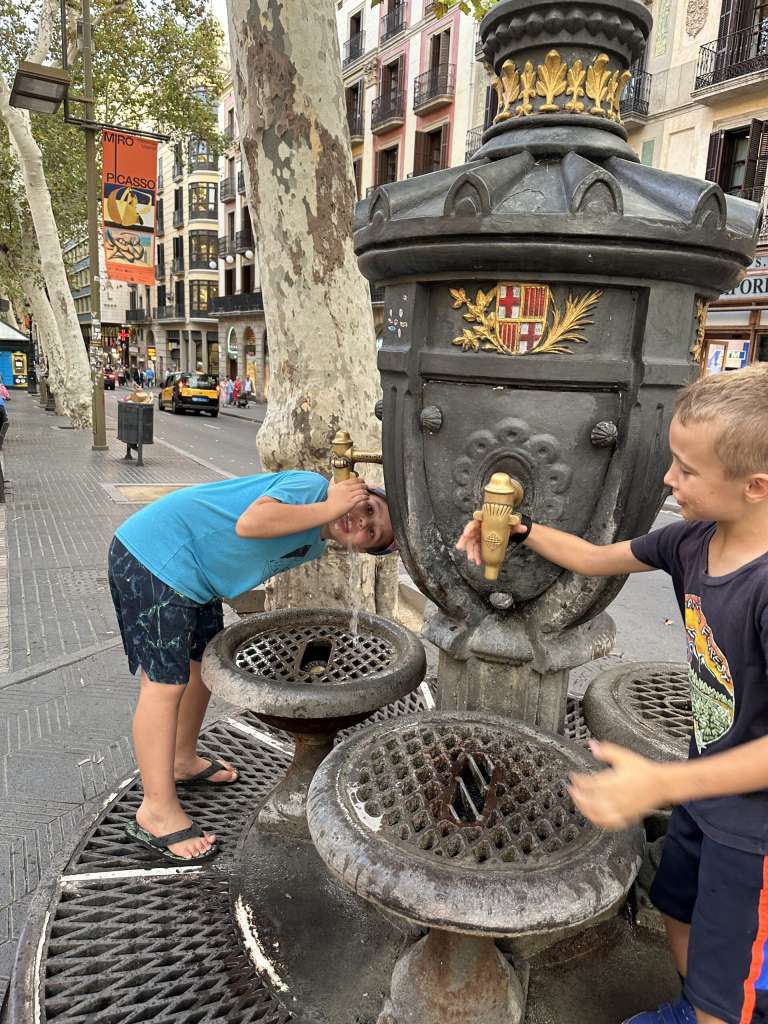
Dehydration is the quickest way to ruin a summer vacation. Fortunately, you do not need to constantly buy single-use plastic water bottles from tourist kiosks. Barcelona is filled with an incredible network of over 1,740 public drinking fountains (fonts públiques) scattered across every neighborhood.

Pro-Tip: Download a mobile app like Fonts BCN (developed by the city council). It maps every single functional drinking fountain in the city. Carry a reusable insulated flask, fill it up with fresh water for free every few blocks, and use the cold water to splash your wrists and temples to instantly lower your core body temperature.

Pro-Tips Aim to:

  • Drink water consistently throughout the day
  • Carry a reusable bottle
  • Refill at public drinking fountains
  • Replace electrolytes after long walks
  • Limit excessive alcohol during peak heat

Many visitors underestimate how quickly dehydration occurs while sightseeing.

Signs include:

  • Headaches
  • Dizziness
  • Fatigue
  • Muscle cramps
  • Dry mouth

7. Eat and Drink to Lower Your Core Temperature

Surviving the summer heat in Spain is a culinary endeavor just as much as a structural one. Heavy paellas and rich meats are best saved for late dinners when the air cools down. For lunch, pivot to the traditional, water-dense dishes designed specifically for this climate.

The Power of Gazpacho and Salmorejo

These classic Spanish cold soups are blended from raw tomatoes, cucumbers, bell peppers, garlic, olive oil, and bread. They are served ice-cold in bowls or glasses. Not only are they incredibly refreshing, but they are also packed with the natural salts and electrolytes your body loses through sweating.

Indulge in an Authentic Horchata (Orxata)

Head to a traditional orxatería (such as Sirvent or Planelles Donat) and order an authentic orxata de xufa. Made from ground tiger nuts, water, and sugar, this milky, nutty, distinctively Mediterranean drink is served semi-frozen and provides an instant cooling effect.


Smart Packing & Clothing Hacks for High Humidity


Because Barcelona sits directly on the Mediterranean Sea, the humidity levels during August can regularly hover around 70% to 80%. This prevents your sweat from evaporating effectively, making the air feel significantly hotter than it actually is. Your wardrobe choices matter immensely.

  • Ditch the Synthetics: Leave your polyester and tight nylon clothing at home. They lock in moisture and create a personal greenhouse effect.
  • Embrace Linen and 100% Lightweight Cotton: Choose loose, flowing shirts, wide-leg trousers, and sundresses. Loose linen allows air to circulate directly over your skin.
  • The Traditional Abanico (Hand Fan): Do not feel self-conscious buying a traditional folding hand fan from a local shop. You will see people of all ages and genders using them rhythmically on the metro, in restaurants, and while waiting in lines. It creates a personal, portable breeze that makes a massive difference in stagnant air.

Avoid:

  • Dark colours
  • Heavy denim
  • Thick polyester
  • Tight clothing

Accessories that help include:

  • Wide-brim hats
  • Sunglasses with UV protection
  • Lightweight scarves
  • Portable hand fans

Comfortable walking shoes remain essential, but breathable trainers or sandals are much better than heavy footwear.

8. Ride Public Transport

Walking several kilometres in midday heat can quickly become uncomfortable.

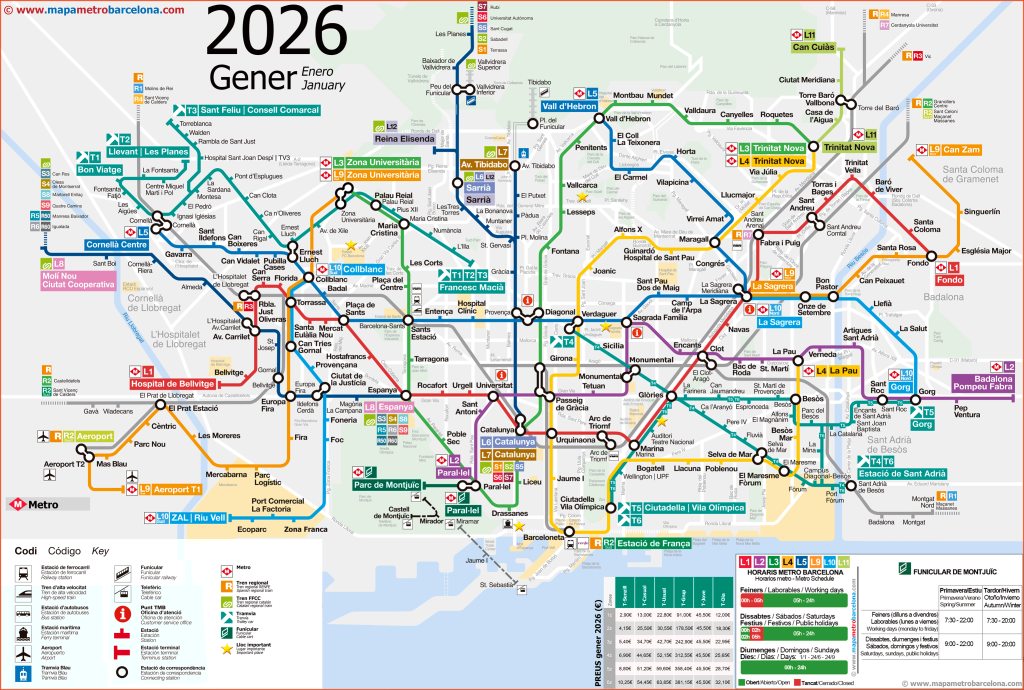
Barcelona’s metro system is:

  • Fast
  • Affordable
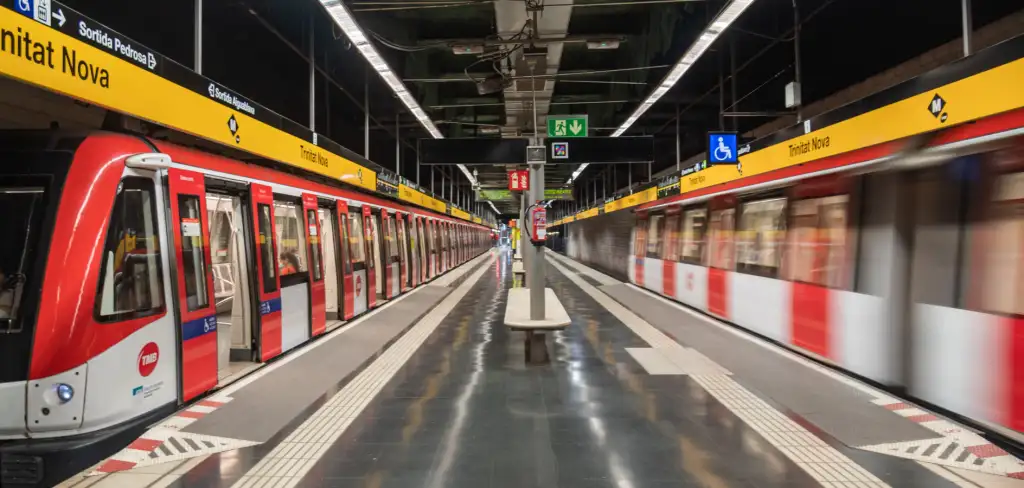
  • Air-conditioned
  • Extensive

Buses also provide a cooler way to travel between attractions.

Planning routes carefully reduces unnecessary walking in direct sunlight.

9. Protect Yourself from the Sun

Sunburn happens quickly under Mediterranean sunshine.

Remember to:

  • Apply SPF 30–50 sunscreen
  • Reapply every two hours
  • Wear sunglasses
  • Seek shade frequently
  • Cover shoulders during extended exposure

Even cloudy days carry high UV levels.

Final Thoughts: Respect the Sun and Enjoy the Slow Down

The ultimate secret to staying cool in Barcelona this summer is an internal mental shift: slow down. Summer in Catalonia isn’t about rushing from monument to monument with a strict checklist. It is about adopting a slower, more deliberate pace of life.

Take your time walking down the shady side of the street, rest inside a quiet Gothic church, sit by a public fountain, duck into a climate shelter when you need a break, and save your high-energy adventures for the beautiful, balmy Mediterranean evenings. By respecting the power of the summer sun and planning your days around the city’s built-in cooling resources, your summer trip to Barcelona will be safe, comfortable, and completely unforgettable.


group from eye on food tours - barcelona

Short on time in Barcelona? Let our expert local guides show you the absolute best of our city’s incredible food and history. [Check our tour availability here] to make the most of your visit!

Adrian

Charles Liondae is a passionate advocate for Spanish culture, history, and, above all, its vibrant culinary traditions. As a Freelance Food writer for Eye On Food Tours, he has dedicated himself to sharing the rich tapestry of flavors and stories that make Spanish cuisine truly exceptional.

Share:

Facebook
Twitter
Pinterest
LinkedIn

Leave a comment

Social Media

Most Popular

Not Ready Yet ?

Keep Us In Mind by subscribing to our Newsletter.

Subscription Form
We promise not to share your email or data to anyone
MORE READING

Related Posts

This website uses cookies to ensure you get the best experience on our website.