Introduction
Nestled on the Costa Brava in the province of Girona, Catalonia, Tossa de Mar is one of Spain’s most picturesque and charming seaside towns. With a fascinating blend of natural beauty, historical significance, and modern tourist amenities, Tossa de Mar has become a popular destination for domestic and international travelers. The town is known for its pristine beaches, medieval fortifications, and vibrant cultural scene, making it an ideal getaway for people seeking relaxation, adventure, or a touch of history.
Tossa de Mar is more than just a beach resort—it’s a historical treasure trove that offers visitors a glimpse into its rich past. From its ancient Roman heritage to its medieval old town, Tossa de Mar is a town that has managed to preserve its historical roots while adapting to modern tourism.
This guide will take you through everything you need to know about Tossa de Mar: from its history and cultural attractions to its beaches, hiking trails, food, and local festivals. Whether you’re planning a visit or simply interested in learning more about this gem on the Costa Brava, this comprehensive blog will cover all aspects of the town, so you can experience the magic of Tossa de Mar.

History of Tossa de Mar
Prehistoric and Roman Times
Tossa de Mar’s history dates back thousands of years. Archaeological evidence shows that the area was inhabited as far back as the Paleolithic era. However, it wasn’t until the arrival of the Romans that the town began to take shape. The Romans called the town Turissa, a name from which Tossa is believed to have derived. The strategic location of Tossa de Mar on the Mediterranean coast made it an important port for trade and defense. Several ruins from this era, including the remnants of villas and a necropolis, still exist and can be visited today.
The Middle Ages
Tossa de Mar truly flourished during the Middle Ages. In the 12th century, the famous Vila Vella (Old Town) was built, complete with towering stone walls and fortified watchtowers. This medieval fortress, overlooking the sea, was built to protect the town from frequent pirate attacks. The Vila Vella is unique in the region as it’s the only surviving medieval walled town on the Catalan coast.
Over time, the town grew and developed around its medieval center, and it became an important fishing and agricultural hub. However, Tossa’s relative isolation from larger cities kept it a quiet and largely self-sufficient town for centuries.
20th Century and the Rise of Tourism
The 20th century saw significant changes in Tossa de Mar. The town’s picturesque scenery and historical charm attracted artists and intellectuals from across Europe, transforming it into a bohemian haven. Among the most famous of these artists was Marc Chagall, who spent time in Tossa during the 1930s and nicknamed the town “The Blue Paradise.”
With the advent of mass tourism in the mid-20th century, Tossa de Mar became a popular destination for beachgoers. The town successfully adapted to its new role as a tourist hotspot without losing its historical and cultural essence. Today, Tossa is a place where medieval history meets modern tourism, and visitors can experience the best of both worlds.
Top Attractions in Tossa de Mar
Tossa de Mar is filled with historical landmarks, natural beauty, and cultural experiences. Here are some of the must-visit attractions:
1. Vila Vella (Old Town)
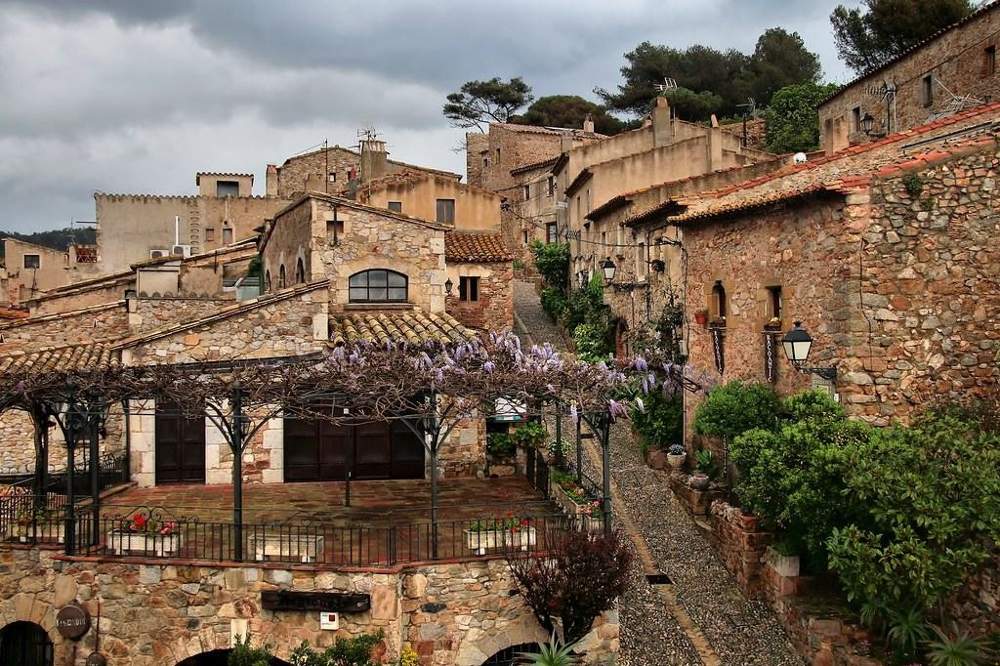
The Vila Vella is undoubtedly Tossa de Mar’s most iconic landmark. This walled medieval town dates back to the 12th century and is the only one of its kind remaining on the Costa Brava. The walls, originally constructed to defend the town from pirate attacks, stretch along the coastline and encompass the old town’s narrow, winding streets.
Inside the Vila Vella, you’ll find charming stone houses, small cafes, and art galleries. Walking through its labyrinthine streets feels like stepping back in time. At the top of the old town, you’ll find the Torre d’en Joanàs, one of the watchtowers that offers stunning panoramic views of the sea and the surrounding coastline.

2. Tossa Castle
Situated within the walls of the Vila Vella, Tossa Castle is one of the best-preserved castles in Catalonia. Built in the 12th century, the castle was designed to protect the town from sea-based attacks. The castle’s towers are some of the most striking features of the town’s skyline, and visitors can explore its ruins, which offer breathtaking views of the sea and the town below.
Today, Tossa Castle is an important symbol of the town and offers insight into its medieval history. Visitors can walk along the castle walls, explore its towers, and take in the stunning views of the Mediterranean Sea.
3. Museu Municipal de Tossa de Mar
For a deeper understanding of Tossa de Mar’s history and artistic heritage, a visit to the Museu Municipal de Tossa de Mar is essential. Located in the Vila Vella, the museum was founded in 1935 and is housed in the former home of the town’s governors. The museum showcases a wide range of exhibits, including archaeological finds from Roman times, medieval artifacts, and contemporary art.
One of the museum’s highlights is its collection of works by artists who were inspired by Tossa’s beauty, including Marc Chagall. The museum also contains several mosaics from the nearby Roman villa of Els Ametllers, providing insight into the town’s ancient history.
4. The Roman Villa of Els Ametllers
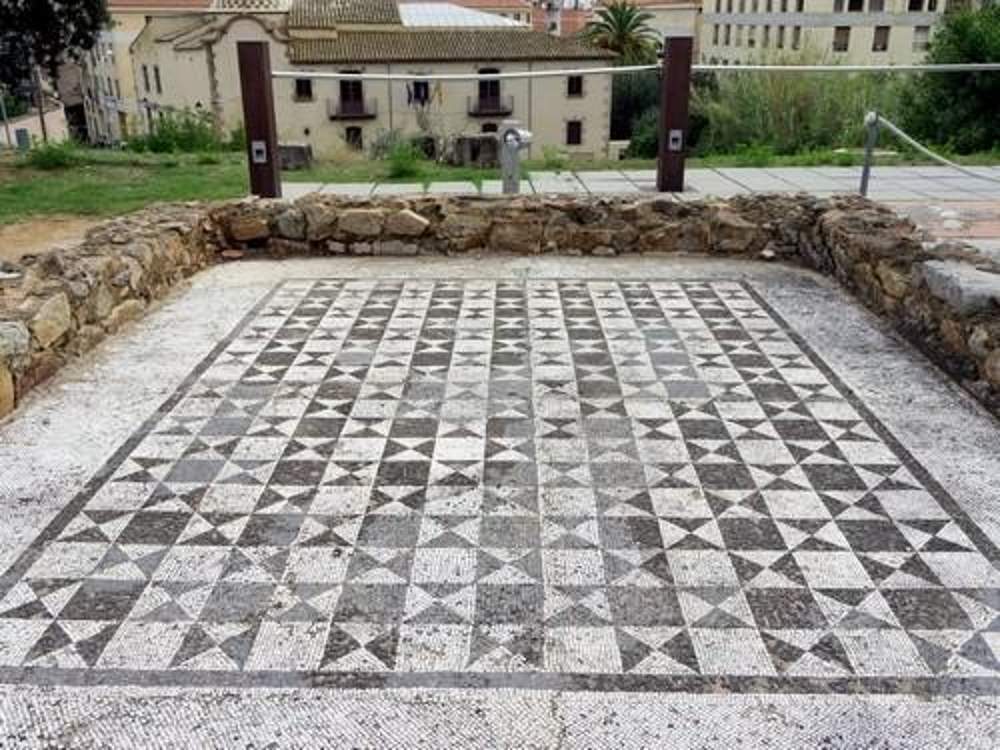
For history buffs, the Roman Villa of Els Ametllers is a must-see. This ancient Roman villa, located just outside the old town, was one of the most important agricultural villas in the Roman province of Hispania. It dates back to the 1st century BC and was primarily used for wine production. Visitors can explore the ruins of the villa, including the remains of its thermal baths, dining areas, and intricate mosaics. The site provides a fascinating glimpse into the lives of the wealthy Romans who once inhabited the area.
5. Platja Gran (Main Beach)
No visit to Tossa de Mar is complete without spending time on its beautiful beaches. Platja Gran is the town’s main beach and is considered one of the most stunning beaches on the Costa Brava. The beach is located right in front of the Vila Vella, offering a unique backdrop of medieval towers and walls while you relax by the sea.
The crystal-clear waters and golden sands make it a perfect spot for sunbathing, swimming, or simply taking in the beauty of the Mediterranean. There are also plenty of beachfront restaurants and cafes where you can enjoy fresh seafood and refreshing drinks while gazing out at the ocean.
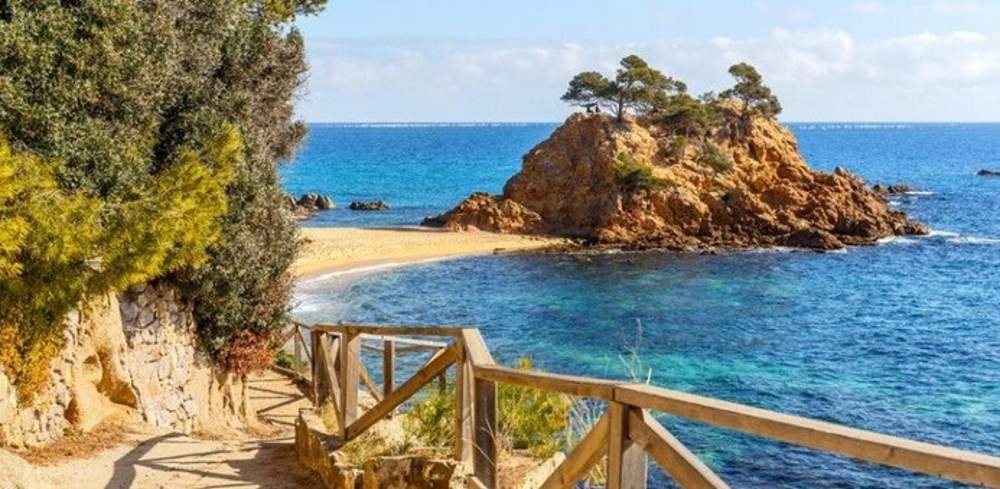
6. Cala Futadera and Cala Giverola
If you’re looking for a more secluded beach experience, the nearby coves of Cala Futadera and Cala Giverola are ideal. These hidden gems are located just a short drive or boat ride from Tossa de Mar and are surrounded by lush cliffs and crystal-clear waters.
Cala Futadera is known for its tranquility and natural beauty, making it a popular spot for snorkeling and swimming. Cala Giverola, on the other hand, is slightly larger and offers more amenities, including a beach bar and water sports facilities. Both coves are perfect for those seeking a peaceful escape from the crowds.
Hiking and Outdoor Activities in Tossa de Mar
Tossa de Mar’s natural beauty extends beyond its beaches. The town is surrounded by stunning landscapes that are perfect for outdoor activities such as hiking, cycling, and exploring the rugged coastline. Here are some of the best outdoor experiences in Tossa de Mar:
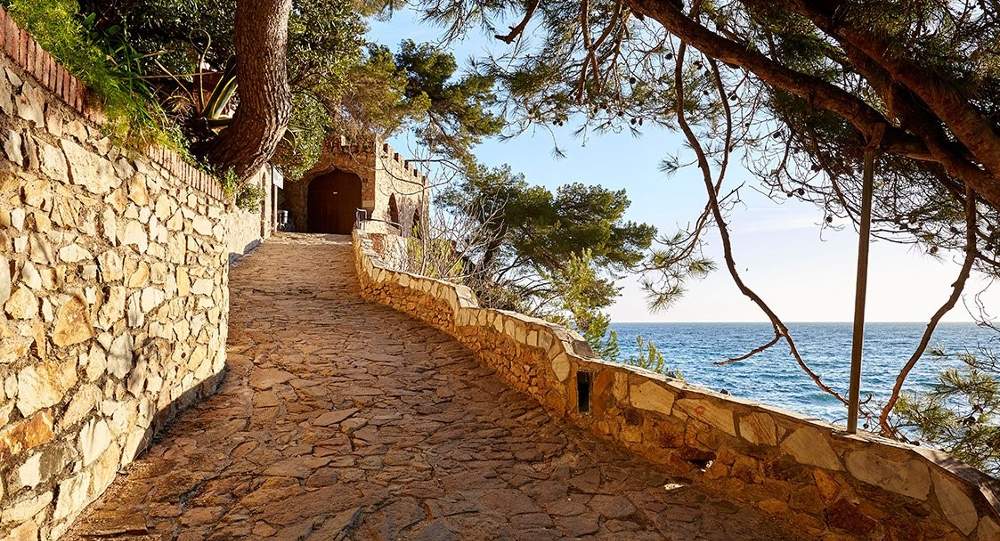
1. Coastal Path (Camí de Ronda)
One of the most popular activities in Tossa de Mar is hiking along the Camí de Ronda, a coastal path that runs along the rugged cliffs of the Costa Brava. This scenic trail offers breathtaking views of the Mediterranean and takes you through hidden coves, pine forests, and secluded beaches.
The section of the Camí de Ronda that runs through Tossa de Mar is particularly beautiful, offering panoramic views of the Vila Vella, Tossa Castle, and the surrounding coastline. Whether you’re an experienced hiker or just looking for a leisurely stroll, the Camí de Ronda is a must-do activity for nature lovers.
2. Massís de Cadiretes Nature Reserve
For those who want to explore the natural beauty of the area beyond the coast, the Massís de Cadiretes Nature Reserve offers a stunning landscape of rolling hills, forests, and wildlife. The reserve is located just outside Tossa de Mar and is a popular destination for hiking, mountain biking, and birdwatching.
The trails in the Massís de Cadiretes range from easy walks to more challenging hikes, and they offer incredible views of the surrounding countryside. Keep an eye out for local wildlife, including wild boar, deer, and a variety of bird species.
3. Scuba Diving and Snorkeling
The waters surrounding Tossa de Mar are home to a rich variety of marine life, making it a popular destination for scuba diving and snorkeling. The rocky coastline and underwater caves provide a diverse underwater landscape that is perfect for exploration.
Several dive centers in Tossa de Mar offer scuba diving courses and guided dives for all levels, from beginners to experienced divers. If you prefer snorkeling, you can explore the shallow waters around the coves and beaches, where you’ll find colorful fish, sea urchins, and other marine creatures.
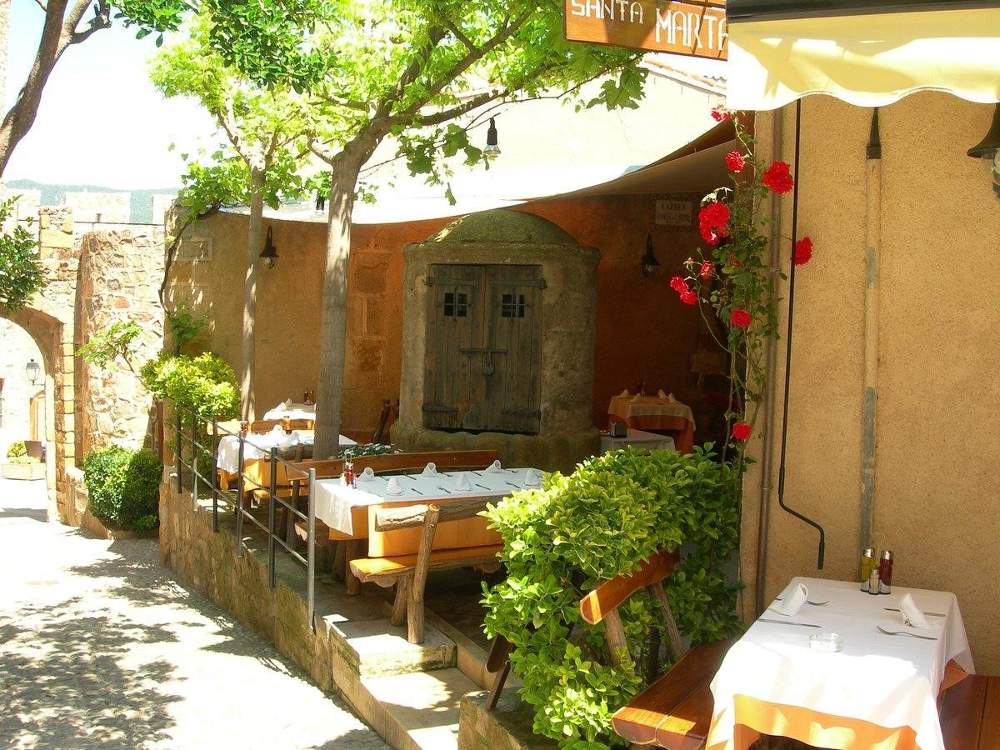
Food and Dining in Tossa de Mar
The culinary scene in Tossa de Mar, like much of the Costa Brava and Catalonia, is rich in flavors and deeply rooted in local traditions. The town’s coastal location ensures that seafood takes center stage in many dishes, but Tossa’s food also reflects the broader influences of Catalan cuisine, which blends ingredients from both the sea and the land. From fresh seafood platters to traditional stews and sweet treats, the gastronomy of Tossa de Mar offers a delightful journey for the taste buds.
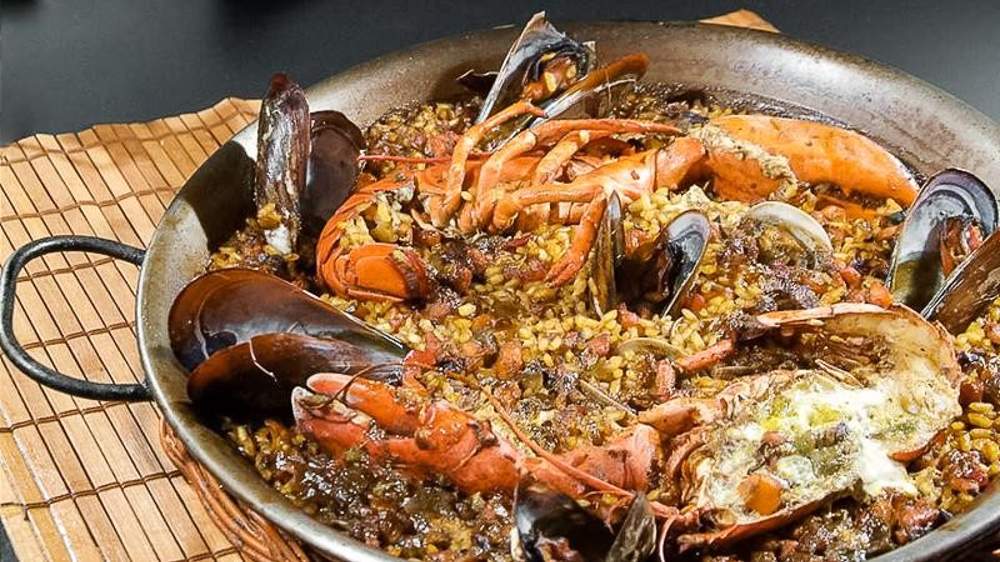
1. Seafood: The Star of the Table
Being a coastal town, Tossa de Mar has an abundance of fresh seafood, and the local restaurants take full advantage of it. Some of the most popular seafood dishes you’ll find in Tossa de Mar include:
- Suquet de Peix: This is a traditional Catalan fish stew that’s a must-try in Tossa. It’s made with various types of locally caught fish (such as monkfish or sea bass), potatoes, garlic, and saffron. The stew is slow-cooked to bring out the natural flavors of the seafood and is served with hearty bread to soak up the rich broth.
- Gambas a la Plancha: Freshly grilled prawns seasoned with a sprinkle of salt and olive oil. The prawns are often simply prepared but are incredibly flavorful due to their freshness.
- Esqueixada: A light and refreshing Catalan dish made with shredded salted cod, tomatoes, onions, and olives, all drizzled with extra virgin olive oil. It’s a perfect starter or light lunch option.
- Paella: Though originally from Valencia, paella is widely enjoyed along the Costa Brava, including Tossa de Mar. You can find various types, but the paella de marisco (seafood paella) is especially popular, filled with prawns, mussels, clams, squid, and sometimes lobster. There’s also fideuà, a Catalan version of paella that uses noodles instead of rice.
- Arroz Caldoso: This is a soupy rice dish that is also prepared with seafood or fish. It’s similar to a risotto but more liquid, with a rich, broth-based consistency. It often includes shellfish and is flavored with saffron and garlic.
2. Catalan Specialties
Tossa de Mar is part of Catalonia, so many traditional Catalan dishes make their way onto local menus. Some noteworthy Catalan specialties to try include:
- Botifarra: A traditional Catalan sausage, often grilled and served with white beans (botifarra amb mongetes). This dish is simple but incredibly satisfying, showcasing the high quality of local pork.
- Cargols a la Llauna: This is a dish of snails cooked in a metal tray (usually in a wood-fired oven) with garlic, parsley, and olive oil. It’s a Catalan delicacy, and while it may not be to everyone’s taste, it’s worth trying for those who want to experience true local flavors.
- Escalivada: A healthy and flavorful dish made with roasted vegetables such as eggplant, peppers, and onions, drizzled with olive oil. It’s often served as a side dish or as a topping for bread in a tapa.
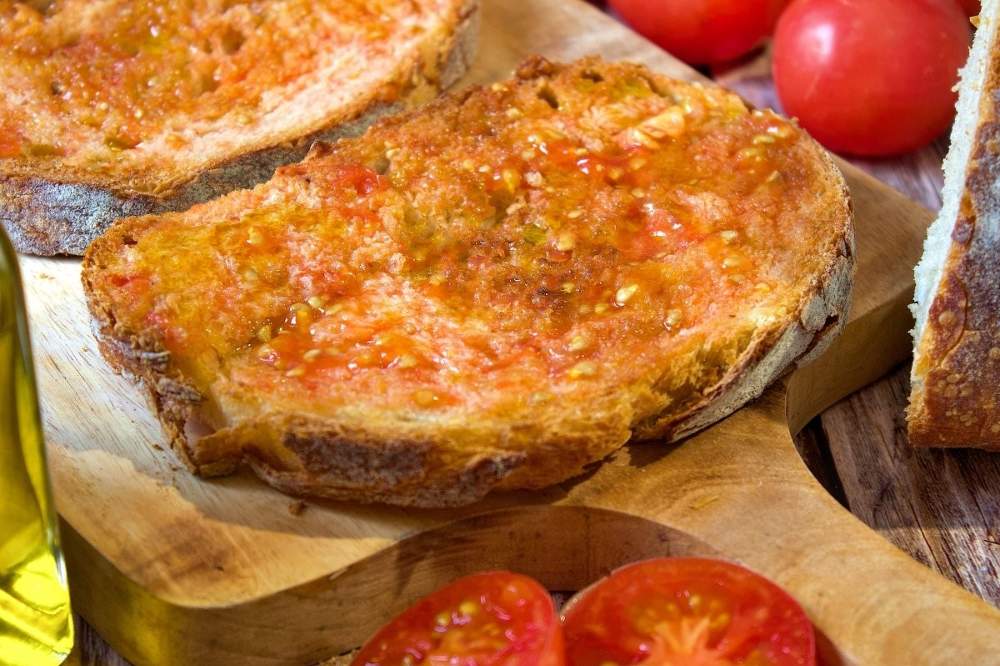
- Pan Con Tomate (Pa amb Tomàquet): One of the simplest but most beloved dishes in Catalan cuisine. It’s made by rubbing ripe tomatoes onto toasted bread, drizzling with olive oil, and sprinkling with salt. It’s a common accompaniment to meals and can be served with various toppings like cheese, ham, or anchovies.
3. Rice and Noodle Dishes
Catalonia, including Tossa de Mar, has a love affair with rice and noodle-based dishes that feature local ingredients. Some of the standout dishes include:
- Fideuà: As mentioned earlier, fideuà is a noodle-based dish similar to paella but made with short, thin noodles instead of rice. It’s usually cooked with seafood such as squid, clams, and prawns. A great dish for those who want a twist on the classic paella.
- Arròs Negre: This is a unique rice dish made with squid ink, giving it a black color and rich, briny flavor. It’s typically cooked with squid and sometimes shrimp, and it has a similar consistency to paella.
4. Meat Dishes
While seafood dominates the menus, meat lovers will also find plenty of options. Some popular meat-based dishes include:
- Pollo a la Catalana: A slow-cooked chicken dish prepared with onions, tomatoes, garlic, and sometimes dried fruits like raisins and prunes, giving the dish a slightly sweet and savory flavor.
- Cordero al Horno: Roasted lamb is another popular dish in Tossa de Mar, often served with potatoes and vegetables. The meat is slow-cooked until tender and flavorful, sometimes with herbs like rosemary and thyme.
5. Tossa de Mar’s Signature Dish: Cim i Tomba
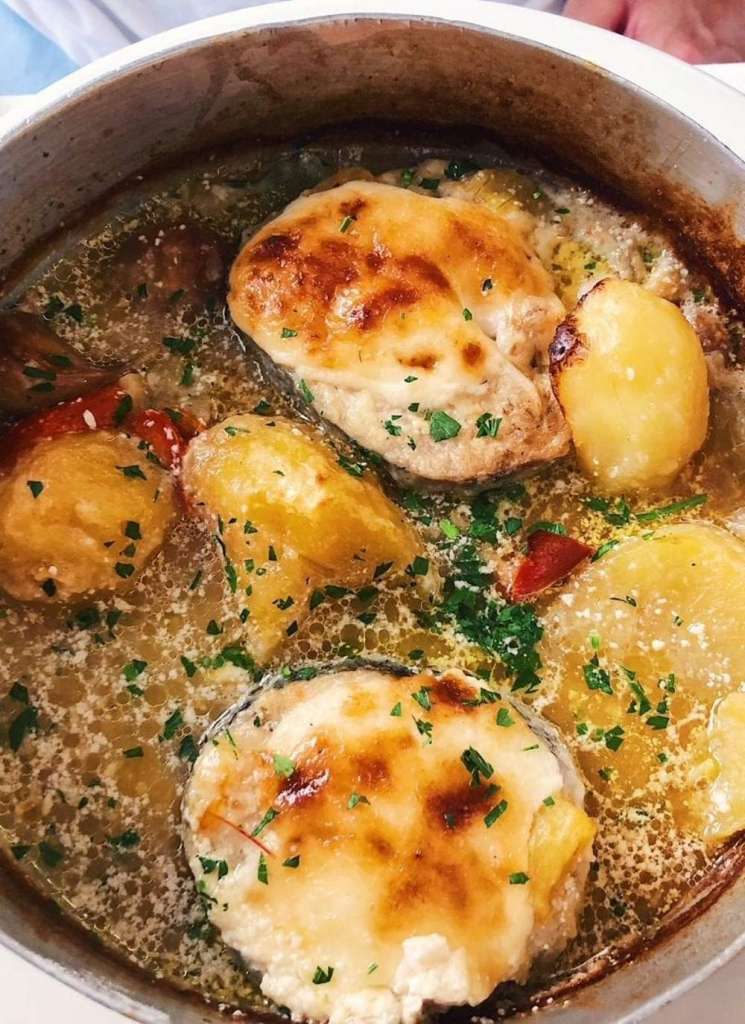
One of Tossa de Mar’s most famous dishes is Cim i Tomba, a traditional fisherman’s stew that has been passed down through generations. The dish was originally made by fishermen who would cook a simple meal on their boats using whatever fresh fish they had caught, along with vegetables and potatoes.
Cim i Tomba is typically made with monkfish, hake, or other firm white fish, along with potatoes, garlic, and a touch of saffron. The ingredients are slow-cooked together, creating a rich, flavorful broth. What makes this dish unique is its simplicity and the way it highlights the fresh flavors of the sea.
Many restaurants in Tossa de Mar take pride in preparing Cim i Tomba, and it’s a dish you’ll find in both upscale establishments and more casual, family-run taverns.
6. Tapas
Tapas are an essential part of Spanish cuisine, and in Tossa de Mar, you’ll find plenty of places offering small, flavorful dishes to share. Some common tapas you’ll come across include:
- Patatas Bravas: Crispy fried potatoes served with a spicy tomato sauce and garlic aioli.
- Calamares a la Romana: Fried calamari rings, often served with lemon and a side of aioli for dipping.
- Gambas al Ajillo: Sizzling prawns cooked in olive oil with garlic and a touch of chili, served with bread to soak up the flavorful oil.
- Pimientos de Padrón: Small green peppers that are fried and sprinkled with sea salt. Most are mild, but occasionally you’ll get one with a spicy kick, which is part of the fun.
7. Desserts
Tossa de Mar has a range of delicious desserts that reflect the region’s sweet tooth. Some of the most popular options include:
- Crema Catalana: Similar to French crème brûlée, crema Catalana is a rich custard topped with a caramelized sugar crust. It’s flavored with lemon and cinnamon, giving it a unique twist.
- Mel i Mató: A traditional Catalan dessert made with fresh cheese (mató) drizzled with honey (Mel). It’s light, and creamy, and offers a refreshing end to a meal.
- Tarta de Santiago: Although originally from Galicia, the almond-based Tarta de Santiago is widely enjoyed throughout Spain, including in Tossa de Mar. It’s a dense, flavorful cake dusted with powdered sugar and often served with a slice of lemon or a shot of local liqueur.

8. Wines and Drinks
Tossa de Mar is located in the heart of Catalonia, a region known for its excellent wines. Some of the best wines from the area come from the Empordà wine region, just a short distance from Tossa de Mar. Empordà wines are known for their diversity, offering reds, whites, and rosés that pair perfectly with local cuisine.
In addition to wine, here are a few drinks to enjoy in Tossa de Mar:
- Cava: This sparkling wine, often compared to Champagne, is a Catalan specialty. It’s crisp, and refreshing, and makes for a perfect aperitif before a meal.
- Vermouth: Vermouth is making a comeback in Catalonia, and it’s often served as an aperitif in local bars. Enjoy it over ice with a slice of orange and a green olive.
- Sangria: A classic Spanish drink made with red wine, fruit, and sometimes a splash of brandy or soda water. It’s especially popular in tourist areas like Tossa de Mar.
Clara: For a refreshing drink on a hot day, try a Clara, which is a light beer mixed with lemonade or soda water.
9. Local Markets and Fresh Ingredients
If you’re staying in Tossa de Mar and want to cook for yourself or simply explore the local produce, a visit to the town’s market is a great way to experience local flavors. The market offers fresh fish, fruits, vegetables, and other products that reflect the region’s agricultural richness.
Conclusion
The food in Tossa de Mar offers a delicious blend of seafood, traditional Catalan dishes, and Mediterranean flavors. Whether you’re savoring a bowl of Cim i Tomba by the seaside or indulging in a creamy Crema Catalana for dessert, the town’s cuisine is an integral part of the experience. From fine dining restaurants to cozy tapas bars, there’s something for every palate in this charming coastal town.
How to Get There
1. By Car
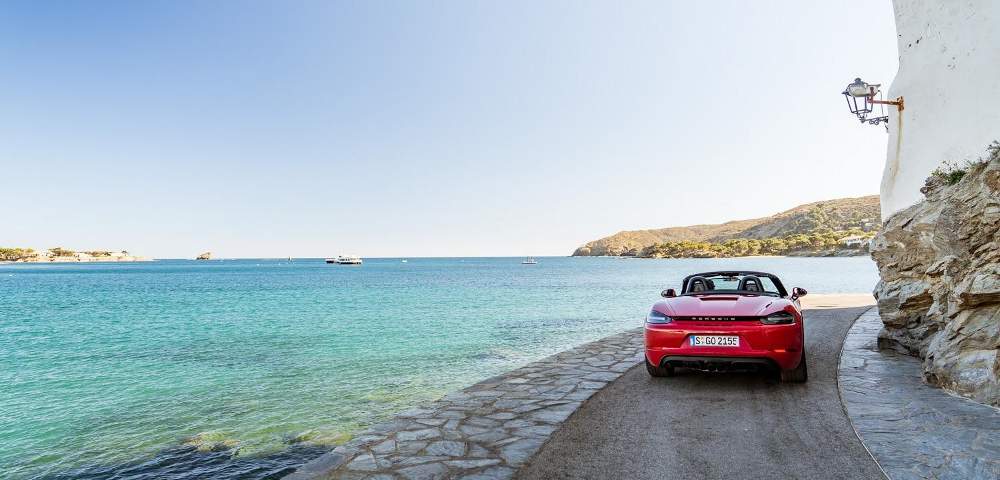
Driving from Barcelona to Tossa de Mar is one of the most convenient options, especially if you prefer flexibility and want to explore the surrounding areas.
Route:
- Distance: Around 100 kilometers (62 miles)
- Duration: Approximately 1 hour and 20 minutes, depending on traffic.
Directions:
- Start by taking the AP-7 motorway or C-32 from Barcelona, heading northeast towards Girona.
- After about 45 minutes, take the exit for Lloret de Mar on the GI-680 road, which leads you directly to Tossa de Mar.
- Alternatively, you can follow the coastal road GI-682 from Lloret de Mar to Tossa de Mar. This scenic route offers stunning views of the Mediterranean, though it’s more winding and slower.
Car Rentals:
- If you don’t have your own vehicle, you can rent a car from one of the many rental agencies in Barcelona. Rentalcars.com, Sixt, and Hertz have locations around Barcelona, including at Barcelona-El Prat Airport and in the city center.
Parking in Tossa de Mar:
- Tossa de Mar has several paid parking areas near the town center and the beach. Be mindful that parking in the old town (Vila Vella) is restricted to residents and permit holders.

2. By Bus
Traveling by bus is the most straightforward and cost-effective way to get to Tossa de Mar from Barcelona. It’s a direct service, and you don’t have to worry about transfers.
Bus Operator: Moventis Sarfa
- Departure Point: Buses depart from Barcelona Nord Bus Station, which is centrally located and easy to access by metro (L1 or Red Line) or taxi.
- Schedule: Buses run multiple times a day, particularly during the high season (summer). In the off-season, the frequency may be slightly reduced, so it’s best to check the current timetable in advance.
- Duration: Approximately 1 hour and 20 minutes to 2 hours, depending on traffic and the number of stops.
- Cost: The price of a one-way ticket ranges from €10 to €15, depending on the time of booking and the season. Booking in advance may help secure a lower fare.
- Booking: You can buy tickets online on the Moventis Sarfa website, at the Barcelona Nord Station, or through ticket vending machines.
- Arrival Point: The bus will drop you off at the Tossa de Mar Bus Station, which is located a short walk from the town center and the beach.
3. By Train and Bus
While Tossa de Mar doesn’t have a direct train connection, you can take a train part of the way and then switch to a bus. This option is useful if you want a mix of train comfort and a bus ride with scenic views.
Step 1: Train from Barcelona to Blanes
- Take the R1 Rodalies (Cercanías) Train from Barcelona Sants Station, Plaça Catalunya, or Arc de Triomf. The R1 line travels along the coast, offering beautiful views of the Mediterranean.
- Destination: Get off at Blanes station.
- Duration: The train journey takes around 1 hour and 30 minutes.
- Cost: The train fare is about €6-8 one way.
Step 2: Bus from Blanes to Tossa de Mar
- At Blanes train station, transfer to a Moventis Sarfa bus that will take you to Tossa de Mar.
- Duration: The bus ride from Blanes to Tossa de Mar takes about 30-40 minutes.
- Cost: The bus fare is around €3-5.
Total Travel Time: Approximately 2 to 2.5 hours, including the transfer time.
Tip: The train option is more scenic but requires a bit more coordination and transfer, so it’s ideal for travelers who prefer a more leisurely journey.
4. By Taxi or Private Transfer
If you’re looking for comfort and convenience, a taxi or private transfer is an excellent option, especially if you’re traveling with a group or have a lot of luggage.
- Taxi from Barcelona: A taxi ride from Barcelona to Tossa de Mar costs around €130-€160, depending on the time of day and traffic.
- Private Transfers: You can also book a private car or van transfer through companies like Suntransfers or Welcome Pickups. These services often provide door-to-door service, and prices are comparable to taxis.
5. By Organized Tour
If you prefer a hassle-free experience, many tour operators in Barcelona offer day trips or multi-day excursions to Tossa de Mar. These organized tours typically include transportation, a guided visit to Tossa’s historic sites (such as the Vila Vella), and free time to explore the beaches.
Some popular operators include:
This is a great option if you prefer not to deal with the logistics of transportation but still want to visit Tossa de Mar for the day.
Summary of Options:
- Car: Ideal for flexibility and scenic routes. Takes about 1 hour and 20 minutes.
- Bus: The most straightforward and affordable. Travel time is 1.5 to 2 hours.
- Train + Bus: A scenic option but requires transfers. Takes 2 to 2.5 hours.
- Taxi/Private Transfer: Fastest and most comfortable, but more expensive.
- Organized Tours: Perfect for hassle-free day trips with guided tours included.
Each option has its advantages depending on your preferences for cost, convenience, and scenic value. Whether you choose to drive along the stunning Costa Brava, hop on a bus, or combine train and bus travel, getting to Tossa de Mar from Barcelona is an enjoyable and straightforward experience!