What Is Cava? A Friendly Guide to Spain’s Famous Sparkling Wine (2026)

There’s something special about opening a bottle of sparkling wine. The sound of the cork popping, the tiny bubbles dancing in the glass, and the feeling that even an ordinary evening suddenly becomes a celebration. While Champagne often gets all the attention, Spain has its own sparkling treasure that wine lovers around the world are beginning to appreciate even more — Cava.
If you’ve ever wondered what Cava actually is, how it’s made, or why so many people compare it to Champagne, this guide will walk you through everything in a simple and enjoyable way.
What Exactly Is Cava?
Cava is a sparkling wine from Spain that’s made using the same traditional production method as Champagne. That means the bubbles are naturally created through a second fermentation inside the bottle, giving Cava its elegant fizz and complex flavor.
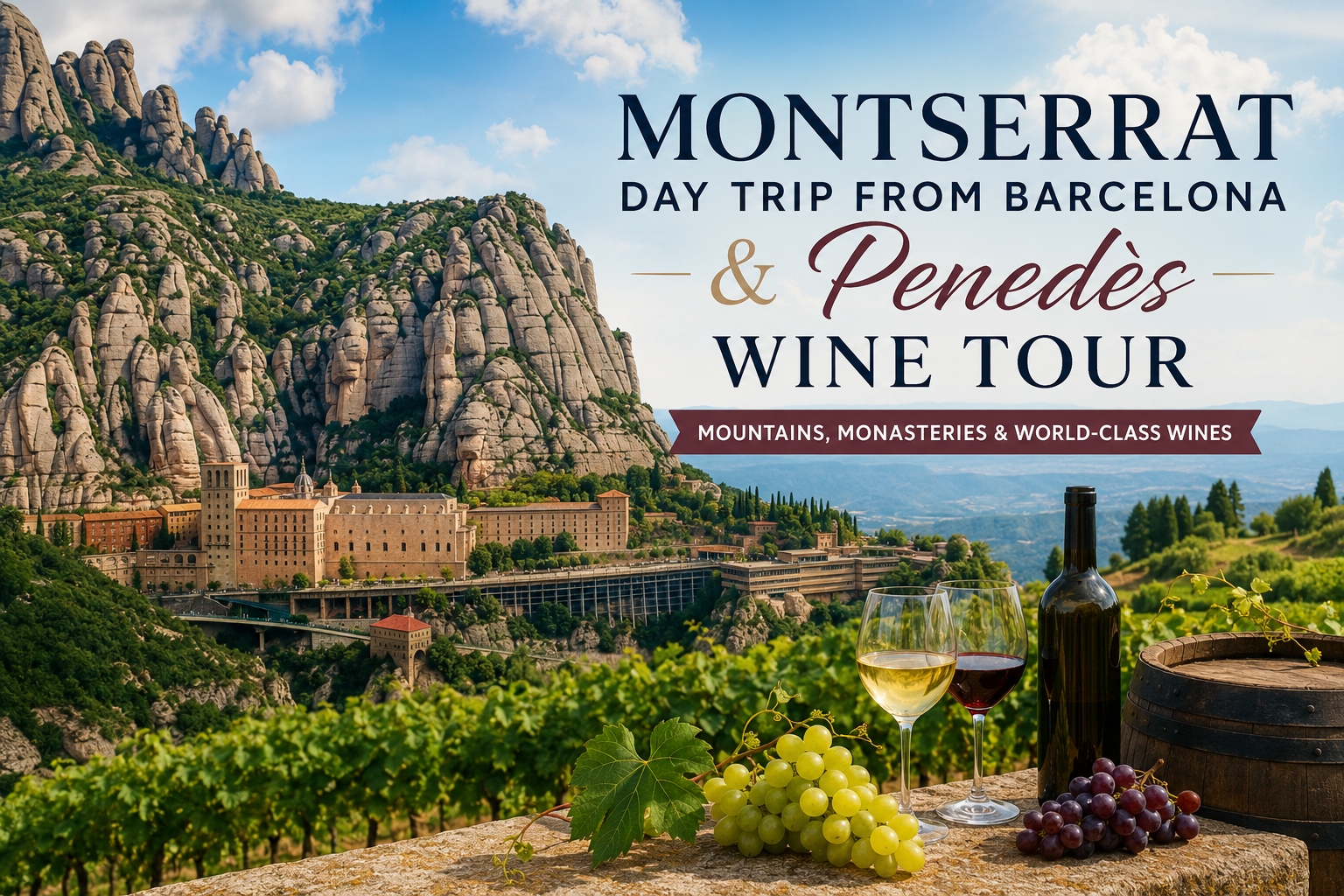
Most Cava comes from the Catalonia region in northeastern Spain, especially around the Penedès area near Barcelona.
The word “Cava” actually means “cellar” or “cave” in Spanish, which refers to the underground cellars where the wine is aged.
What makes Cava stand out is that it offers high quality and refined taste without the high price tag that often comes with Champagne.
The History of Cava
Cava’s story began in the late 1800s when Spanish winemaker Josep Raventós visited France and became inspired by the sparkling wines of Champagne.
After returning home to Catalonia, he experimented with local Spanish grapes and traditional winemaking techniques. Eventually, he created Spain’s first sparkling wine using the same bottle fermentation process used in Champagne production.
Over time, Cava became incredibly popular across Spain and eventually gained international recognition. In 1972, “Cava” officially became a protected designation, ensuring the wine followed strict production standards.
Today, Cava is one of Spain’s most important wine exports and is enjoyed in restaurants, celebrations, and homes all over the world.

What Does Cava Taste Like?
One of the reasons people love Cava is its refreshing and easy-to-drink character.
Most Cavas have flavors like:
- Green apple
- Citrus
- Pear
- Almond
- Toasted bread
- Brioche
You’ll usually notice crisp acidity and delicate bubbles, which make it feel refreshing rather than heavy.
Some aged Cavas develop richer, creamier flavors, while younger bottles tend to taste bright and fruity.
How Is Cava Made?
Cava is produced using the “Traditional Method,” which is the same technique used in Champagne production.
Here’s a simple breakdown of the process:
1. The Grapes Are Harvested
Winemakers carefully pick grapes at the right moment to preserve freshness and acidity.
2. The Wine Is Fermented
The grape juice is turned into still wine.
3. Second Fermentation Happens in the Bottle
Sugar and yeast are added before bottling. This creates natural carbonation and those famous sparkling bubbles.
4. Aging in Cellars
The wine rests in cool underground cellars for months or even years.
5. Final Bottling
The yeast sediment is removed, and the bottle is sealed and labeled.
This careful process is what gives Cava its fine bubbles and elegant texture.

Which Grapes Are Used in Cava?
Traditional Cava uses native Spanish grape varieties, including:
Macabeo
Adds fruity and floral notes.
Xarel·lo
Provides body and structure.
Parellada
Brings freshness and delicate acidity.
Some producers also use Chardonnay and Pinot Noir for modern styles of Cava.
Is Cava the Same as Champagne?
Not exactly — although they share similarities.
Both wines use the same traditional production method, but they come from different countries and use different grape varieties.
Here’s the biggest difference:
- Champagne comes from France.
- Cava comes from Spain.
Cava is generally fruitier, lighter, and more affordable, while Champagne often has richer and creamier characteristics.
For many wine lovers, Cava offers incredible value because you can enjoy premium sparkling wine without spending a fortune.
Different Types of Cava

Cava comes in several styles depending on sweetness and aging.
Brut Nature
Very dry with no added sugar.
Brut
Balanced and crisp — the most common style.
Rosé Cava
Fresh and fruity with berry flavors.
Reserva and Gran Reserva
Aged longer for deeper and more complex flavors.
Whether you prefer dry sparkling wine or something slightly sweeter, there’s usually a Cava style for everyone.
What Foods Pair Well with Cava?
One of the best things about Cava is how food-friendly it is.
It pairs beautifully with:
- Seafood
- Tapas
- Sushi
- Cheese
- Fried foods
- Paella
- Roasted chicken
Because of its acidity and bubbles, Cava also works wonderfully with salty and crispy foods.
Rosé Cava pairs especially well with fruit desserts and light summer dishes.
Why Is Cava Becoming So Popular?
In recent years, more people have started choosing Cava over other sparkling wines. And honestly, it’s easy to understand why.
People love Cava because:
- It’s affordable
- It’s made using traditional techniques
- It tastes elegant and refreshing
- It pairs with many foods
- It’s perfect for celebrations and casual moments alike
Wine lovers often describe Cava as one of the best-value sparkling wines in the world.
How to Serve Cava Properly
To enjoy Cava at its best:
- Serve it chilled
- Use a flute or tulip glass
- Keep bottles stored in a cool place
- Drink younger Cavas fresh for maximum brightness
The ideal serving temperature is around 6–8°C.
Final Thoughts
Cava is more than just a sparkling wine from Spain — it’s a tradition, a celebration, and a fantastic alternative to Champagne.
From its fascinating history in Catalonia to its crisp bubbles and refreshing taste, Cava continues to win over wine lovers everywhere. Whether you’re enjoying a casual dinner, celebrating a special occasion, or simply trying something new, Cava brings elegance and joy to the table without feeling overly expensive or complicated.
If you haven’t tried Cava yet, this might be the perfect time to open a bottle and discover why Spain’s sparkling wine deserves a spot in every wine lover’s collection.
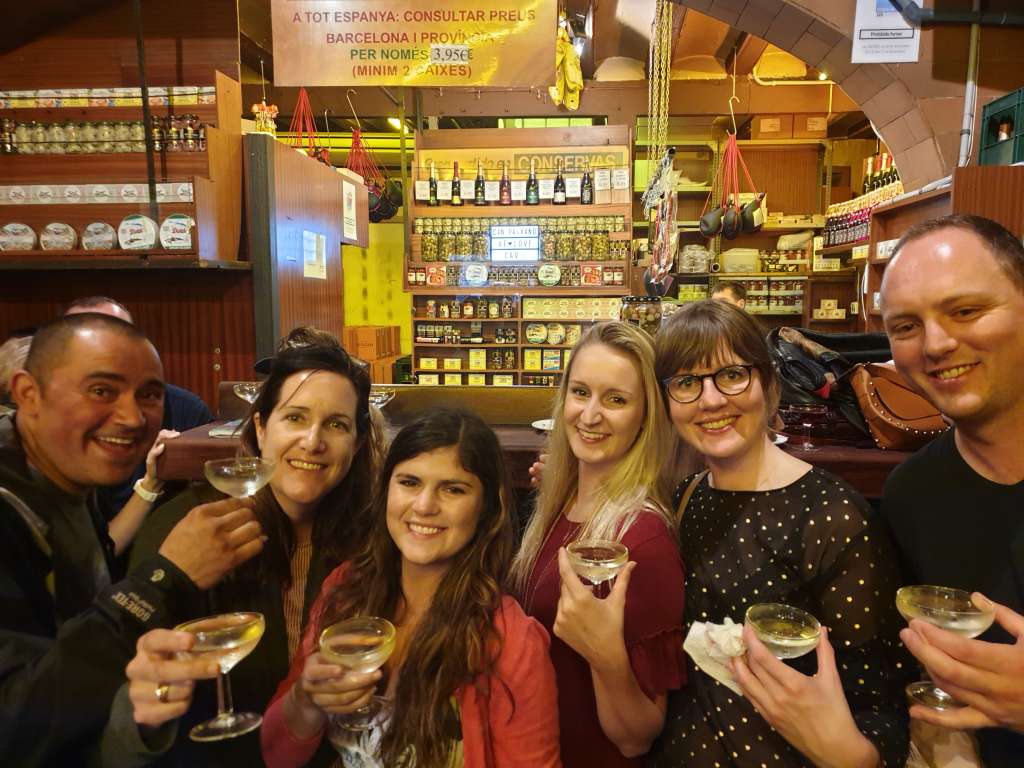
“If I’ve sufficiently tempted your taste buds and you find yourself in Barcelona, you’re in luck. Start with the legendary Can Paixano—a spot our team at Eye on Food Tours has been frequenting for over a decade. It’s an absolute staple of the city. Beyond that, here are a few more hand-picked favorites to add to your list:”
#1. Can Paixano
Can Paixano is a legendary Barcelona institution located in the Barceloneta neighborhood. Established in 1969, it is famous for its lively, chaotic atmosphere and for serving its own house-made Cava at incredibly low prices.
The bar maintains a strictly traditional feel, with no chairs or tables—guests stand shoulder-to-shoulder in a narrow, bustling room. To keep the Cava flowing, there is a long-standing house rule: you must order food (tapas or sandwiches) alongside your drinks.
What to Expect
- Signature Sips: Most visitors go straight for the Rosat (pink sparkling wine), which is sweet, refreshing, and served in classic wide-coupe glasses. You can also buy bottles to go from the shop at the back.
- The Food: The menu focuses on hot, grilled sandwiches called bocadillos. Local favorites include the chistorra (spicy sausage), lomo (pork loin), and even decadent options like foie gras with bacon.
- The Vibe: It is loud, crowded, and unapologetically rustic. Sawdust often covers the floor, and you’ll likely have to use a bit of elbow grease to reach the counter and place your order.
Insider Tips
- Timing: To avoid the most intense crowds, try to visit mid-afternoon. By 7:00 PM, the place is usually “packed to the rafters” with a mix of students, locals, and travelers.
- Ordering: Be prepared to catch a bartender’s eye and order with confidence. It’s a fast-paced environment where hand gestures and a loud voice are helpful.
- Closed Days: Note that they are traditionally closed on Sundays and public holidays.
Are you looking for more historic “no-frills” bars like this, or would you prefer a recommendation for a sit-down Cava experience?
#2 El Raco del Cava

El Raco del Cava, often referred to as El Rincón del Cava, is a beloved local gem tucked away in the Sants-Montjuïc district. Much like Can Paixano, it is celebrated for its unpretentious vibe, traditional tapas, and exceptionally affordable house Cava.
It is widely considered an “insider” alternative to the more crowded tourist spots, offering a warm, family-run atmosphere that feels like stepping into a local’s living room.
What to Expect
- Affordable Indulgence: Reviewers frequently highlight the incredible value, with bottles of house Cava often priced around €5 and small tapas plates available for as little as €1.
- The “Frozen Glass” Ritual: A signature experience here is having your Cava served in frosted, ice-cold glasses, which locals swear is the only way to beat the Barcelona heat.
- Homely Atmosphere: The decor is quirky and personal, featuring walls covered in photos of happy customers. The owners, often described as hilarious and welcoming, are known to take polaroids of guests to add to the collection.
- Traditional Tapas: Expect classic, no-frills Spanish comfort food such as patatas bravas, boquerones (anchovies), and various montaditos (small sandwiches).
Practical Tips
- Seating: It is a small, cozy space that fills up quickly with neighborhood regulars. Visiting early in the evening (around 7:00 PM–8:00 PM) is recommended to secure a table.
- Local Vibe: Unlike the standing-room-only chaos of some central bars, this spot offers a bit more of a sit-down, community feel, making it great for groups of friends.
- Location: It is located on Carrer de Blasco de Garay, slightly off the main tourist track but well worth the short trek for the authentic experience.
Would you like to know about any other hidden Cava bars in the Poble Sec area, or perhaps a few more modern tapas spots to balance out the traditional ones?
#3 El Xampanyet
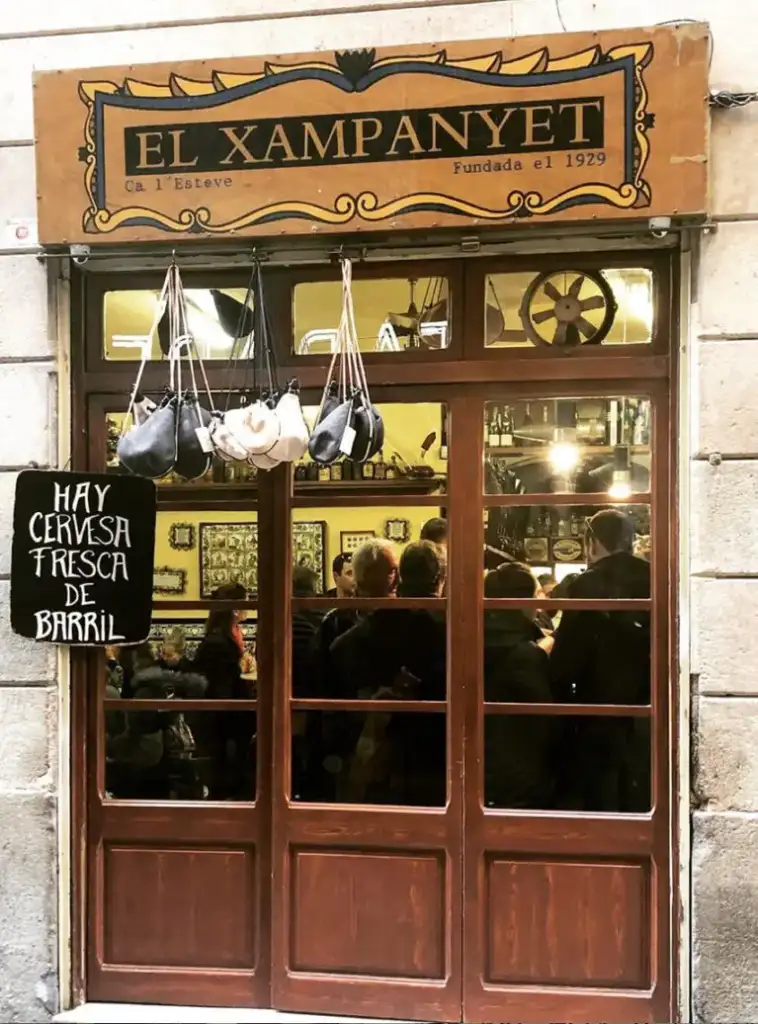
El Xampanyet is widely considered the “holy grail” of traditional tapas bars in Barcelona. Opened in 1929 and run by the same family for three generations, it is famous for its vibrant atmosphere, blue-tiled walls, and its namesake sparkling white wine, which is served in old-school coupes.
Located in the heart of El Born, just steps from the Picasso Museum, it perfectly captures the spirit of old Barcelona. It’s loud, crowded, and filled with a mix of locals and visitors jostling for space at marble-topped tables or along the zinc bar.
What to Expect
- Signature Sips: You must try the “Xampanyet,” their own house-made sparkling wine. It is slightly sweet, light, and refreshing.
- Specialty Tapas: While the menu is extensive, they are legendary for their Cantabrian anchovies (served in vinegar), tortilla de patatas (often described as gooey and heavenly), and Iberian ham.
- Unique Bites: Reviewers highly recommend the grissini wrapped in thin lardons (cured pork fat) and their selection of high-quality conservas (gourmet preserved seafood).
Insider Tips
- Beat the Rush: It is notoriously popular and does not take reservations. To snag a spot, arrive right when they open (typically 12:00 PM for lunch or 7:00 PM for dinner) or expect to wait in line.
- The “Standing Room” Vibe: Don’t be intimidated by the crowds—it’s part of the experience. Just make your way to the counter and order with a smile.
- August Closure: Be aware that the bar traditionally closes for the entire month of August for family holidays.
“If all this talk of Spanish flavors has you craving a trip to the Mediterranean, you won’t want to miss this. We have put together the ultimate resource for travelers: The Complete Guide to Tapas in Spain. Whether you’re a seasoned traveler or planning your first trip, it’s the perfect roadmap to eating your way through the country like a local.”

“Ready to trade the screen for a glass of Cava? If you’re short on time but big on appetite, let our local experts show you the best of Barcelona’s food and history in one unforgettable afternoon. Your seat at the tapas bar is waiting!” Book Your Barcelona Experience Now