Why You Shouldn’t Eat Paella at Night (And the History Behind It)
Explore why paella is traditionally eaten at lunch, not dinner. Learn the history of paella, Spanish food culture, and how meal timing impacts digestion and sleep.
Introduction
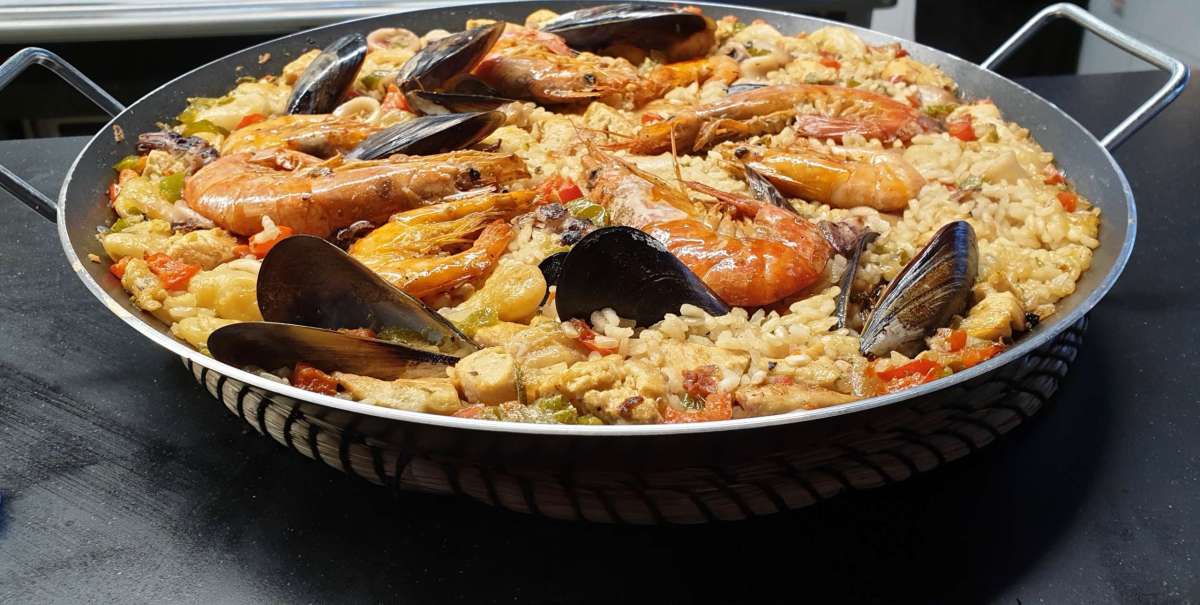
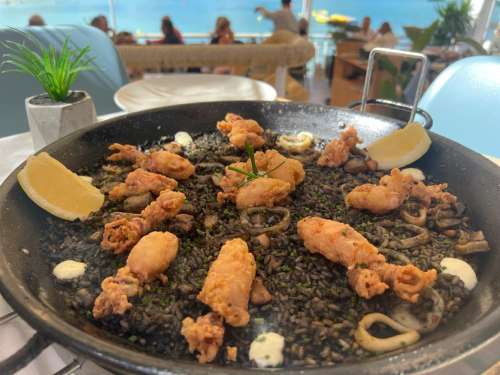
Paella is one of Spain’s most famous culinary exports—colorful, aromatic, and deeply satisfying. But beyond its taste lies a tradition many visitors don’t realize: paella is rarely eaten at night in Spain.
To understand why, you need to look at both how the dish affects your body and where it comes from. The history of paella is closely tied to rural life, agriculture, and midday eating habits—factors that still influence how it’s enjoyed today.
The History of Paella: A Midday Farmer’s Meal
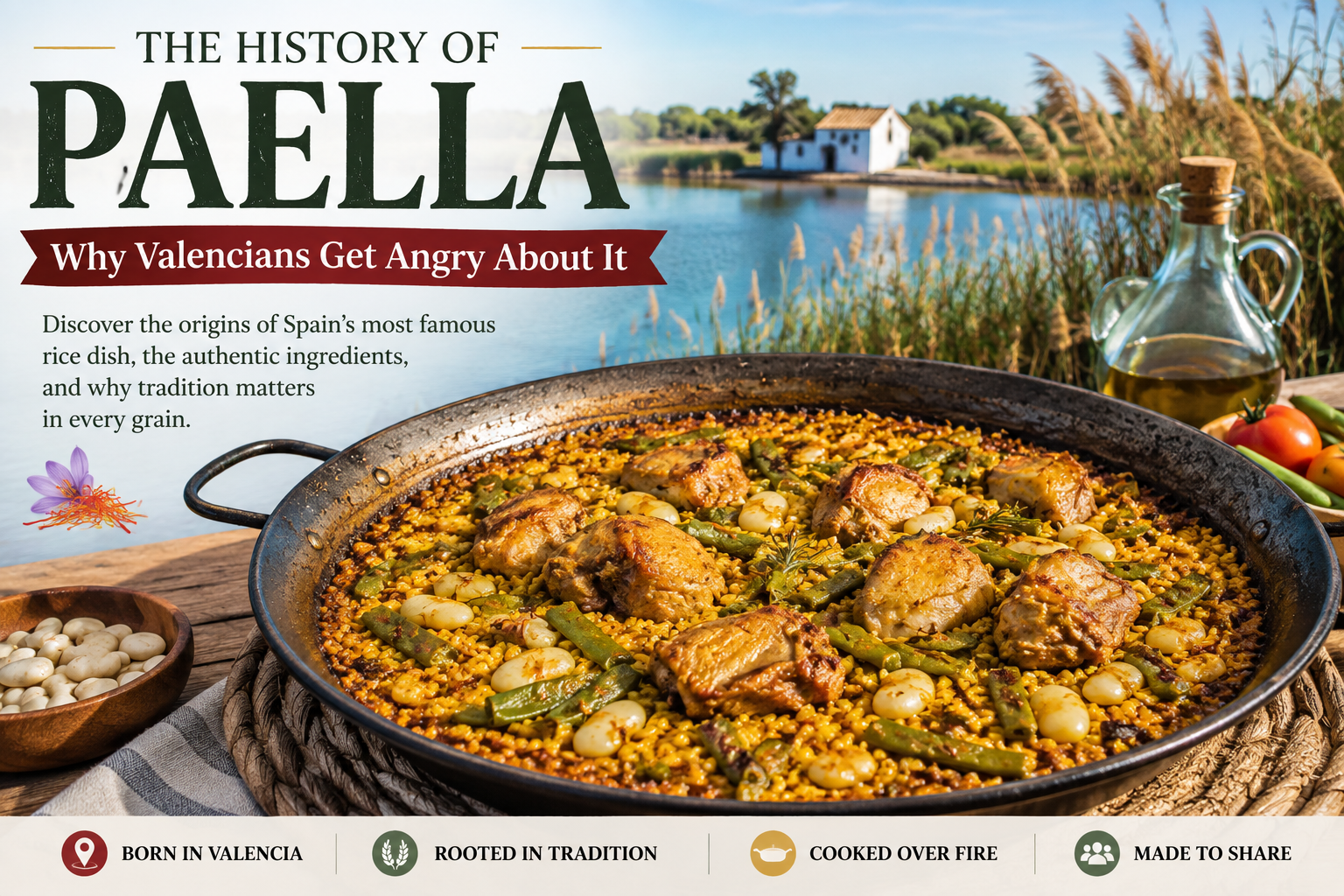
Paella originated in the Valencia region of Spain’s eastern coast, where rice fields dominate the landscape. The dish dates back several centuries and was initially created by farmers and laborers.
These workers would prepare paella over an open fire in the middle of the day using ingredients they had on hand, such as:
- Rice grown in local paddies
- Rabbit, chicken, or snails
- Vegetables like beans and tomatoes
- Olive oil and saffron
This wasn’t a light meal—it was designed to be hearty, filling, and energizing. Farmers needed a substantial lunch to fuel long hours of physical work under the sun.
Because of this origin, paella naturally became a midday dish, not an evening one.
A Social Tradition Built Around Lunch
Over time, paella evolved from a rural necessity into a social ritual. Families and friends began gathering on weekends to cook and share it, often outdoors.
These gatherings typically happen:
- Around lunchtime (between 1:30 PM and 3:30 PM)
- Over long, relaxed meals
- With time afterward to rest and digest
This tradition reinforces the idea that paella is meant to be enjoyed when you still have the day ahead of you—not right before going to bed.
Why Eating Paella at Night Doesn’t Fit Its Origins
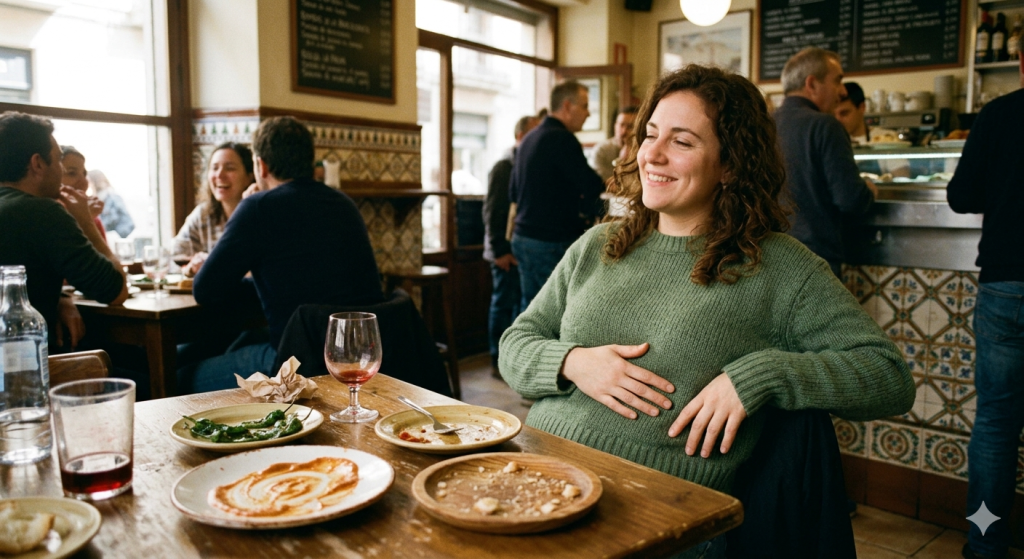
When you eat paella at night, you’re going against both biology and tradition.
1. It Was Never Designed as a Light Meal
Historically, paella was fuel for physical labor. Today, eating that same heavy combination of rice, oils, and proteins late at night can overwhelm your digestive system.
2. Your Body Isn’t in “Work Mode” at Night
Unlike farmers working in the fields, your body in the evening is preparing for rest. A large, rich meal at this time can lead to:
- Sluggish digestion
- Bloating
- Discomfort while lying down
The Impact on Sleep and Digestion
Paella’s richness makes it a poor choice for late-night eating.
Some common effects include:
- Interrupted sleep due to ongoing digestion
- Acid reflux or heartburn, especially if lying down soon after eating
- Heaviness and fatigue the next morning
Your body prefers lighter meals in the evening, giving it time to wind down properly.
Spanish Eating Culture: Timing Matters
Spain’s daily eating schedule plays a huge role in why paella is a lunch dish:
- Lunch is the main meal of the day (large and filling)
- Dinner is lighter and later (often after 9 PM)
Eating a heavy dish like paella at dinner simply doesn’t align with this rhythm. Instead, Spaniards reserve evenings for lighter foods that are easier to digest.
What to Eat Instead at Night
If you’re craving Spanish flavors in the evening, you can still enjoy the cuisine without overloading your system.
Better dinner options include:
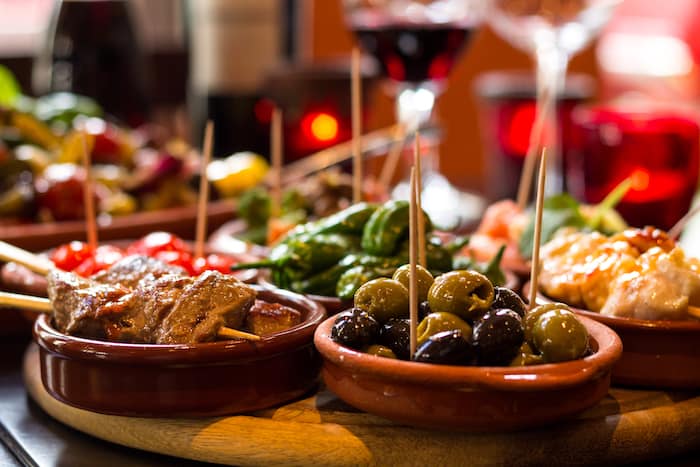
- Light tapas like grilled vegetables
- Fresh salads with olive oil
- Fish or simple protein dishes
These choices are more in tune with both your body’s needs and Spanish dining customs.
Conclusion
Paella isn’t just a dish—it’s a reflection of history, culture, and lifestyle. Born as a hearty midday meal for farmers in Valencia, it was never intended for late-night dining.
Eating paella at night can disrupt digestion and sleep, while also missing the cultural essence of how it’s meant to be enjoyed. For the best experience, follow tradition: eat paella at lunch, take your time, and savor it the way it’s been done for generations.
Think you know Spanish food? Think again. Barcelona is a culinary masterpiece, but it’s also a minefield of tourist traps. If you find yourself eating paella for dinner on Las Ramblas, you’re already making the most common mistake in the book. To help you avoid the “plastic menu” blues, we’ve put together the ultimate guide to navigating the city’s food scene in 2026. Discover the 10 biggest mistakes tourists make and how you can dine like a true Barceloní instead. Click on this link for more information. DON’T EAT HERE!
Embark on Your Own Culinary Legend with Eye On Food Tours
Are you ready to stop reading about history and start tasting it? At Eye On Food Tours, we specialize in taking you beyond the tourist “traps” and into the authentic heart of Spain’s food scene.
In 2026, our tours are more immersive than ever. Join our local experts in Madrid or Barcelona to:
- Discover Hidden Gems: Visit family-run taverns that have been serving the same secret recipes for generations.
- Master the Etiquette: Learn exactly how to order, what to drink, and how to navigate a crowded Spanish bar like a pro.
- Sustainable Sourcing: We partner with vendors who prioritize organic, “Kilometer Zero” ingredients, ensuring your food journey supports the local community.
Don’t Just Visit Spain—Taste It.
Ready to book?
- Explore Our Tours: eyeonfoodtours.com
- Call/WhatsApp Us: +34 656 18 31 45
- Visual Inspiration: Follow us on Instagram @eyeonfoodtours for daily doses of Spanish sunshine and salt.
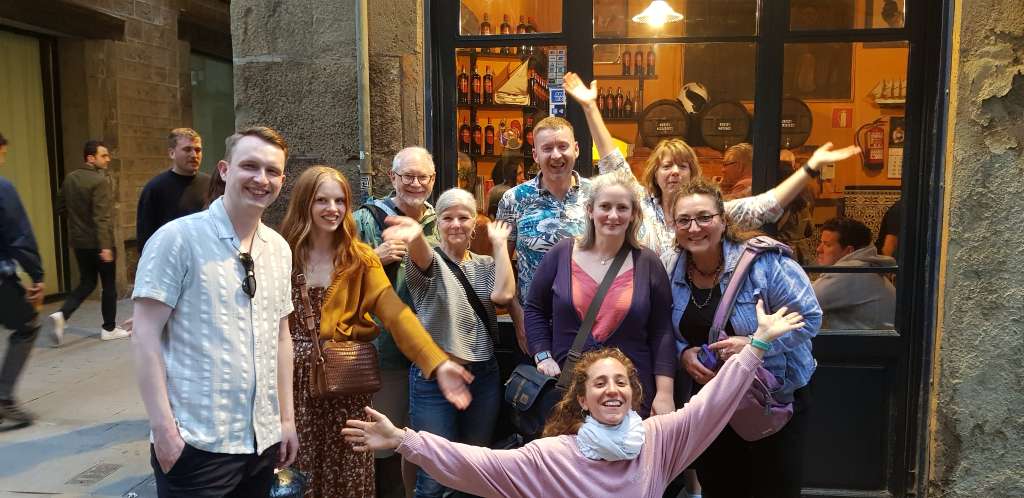
Memories to savor: Make new friends, share laughter, and create lasting food memories. Secure your spot today for the ultimate 2026 food adventure!